AI · This text was generated with artificial intelligence
Public skepticism around autonomous systems remains stubbornly loud, yet actuarial spreadsheets are already settling the debate. Mounting empirical research demonstrates that active assistance crashes significantly less often than distracted humans and slashes severe injuries.
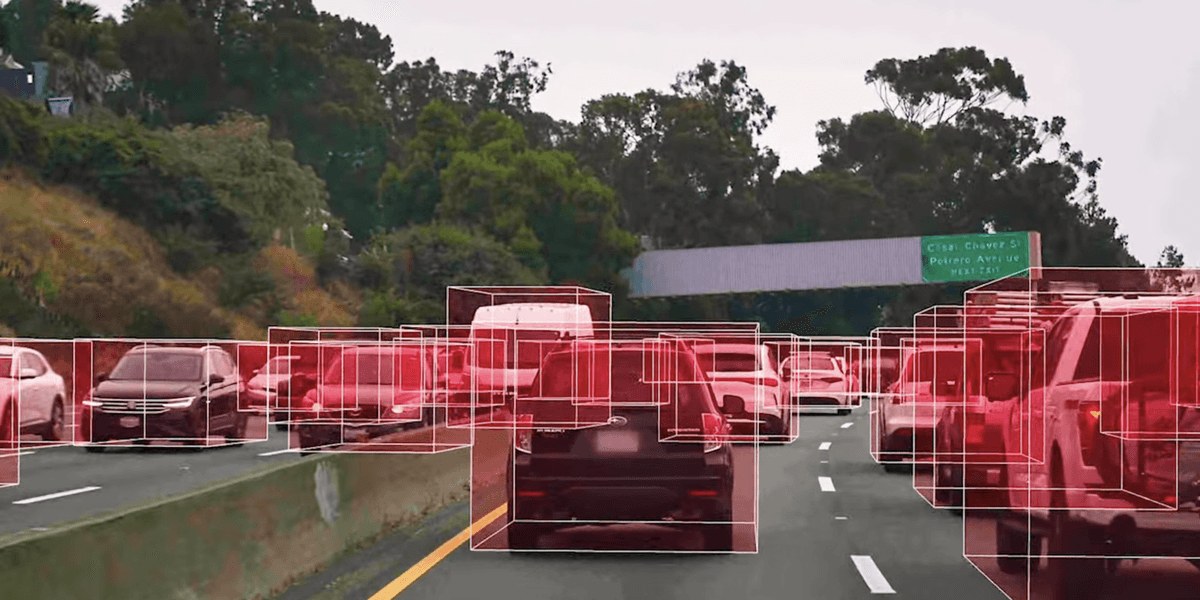
According to findings from the Insurance Institute for Highway Safety (IIHS), pedestrian-detecting automatic emergency braking (AEB) cuts pedestrian crashes by 27 percent. A separate IIHS assessment revealed that automated braking cuts rear-end collisions by 50 percent and cuts associated injuries by 56 percent. For insurers, this is no longer an academic exercise: Highway Loss Data Institute figures show vehicles bundling ADAS—pairing pedestrian AEB with adaptive cruise control and lane-departure warnings—drive down claim frequencies by up to 39 percent. With basic ADAS now integrated into over 90 percent of new vehicle production, these systems are actively dismantling legacy risk pricing models.
Fleet Miles Confirm Lower Crash Rates
Scale is expanding rapidly into Level 4 autonomy, though comparative benchmarking remains contested. Waymo reports over 20 million paid rides across 220 million commercial miles, with internal studies indicating 92 percent fewer fatal or serious-injury crashes compared to human baselines in equivalent urban environments. Yet calculating true human-equivalent risk profiles remains a friction point, as critics correctly point out that pure autonomous miles are still cherry-picked across geographically fenced, weather-optimized operational design domains.
Regulators Standardize Commercial Autonomy
Despite the statistical debates, regulatory reality is arriving fast. The U.S. federal mandate requiring universal AEB across all light passenger vehicles by 2029 sets a concrete floor. This deadline eliminates opt-in safety packages and locks in guaranteed procurement cycles for computer vision developers, lidar manufacturers, and edge compute suppliers across the automotive supply chain.