AI · This text was generated with artificial intelligence
Content is out, verification is in. Venture capital is pivoting from generative tools to reality-checking systems.
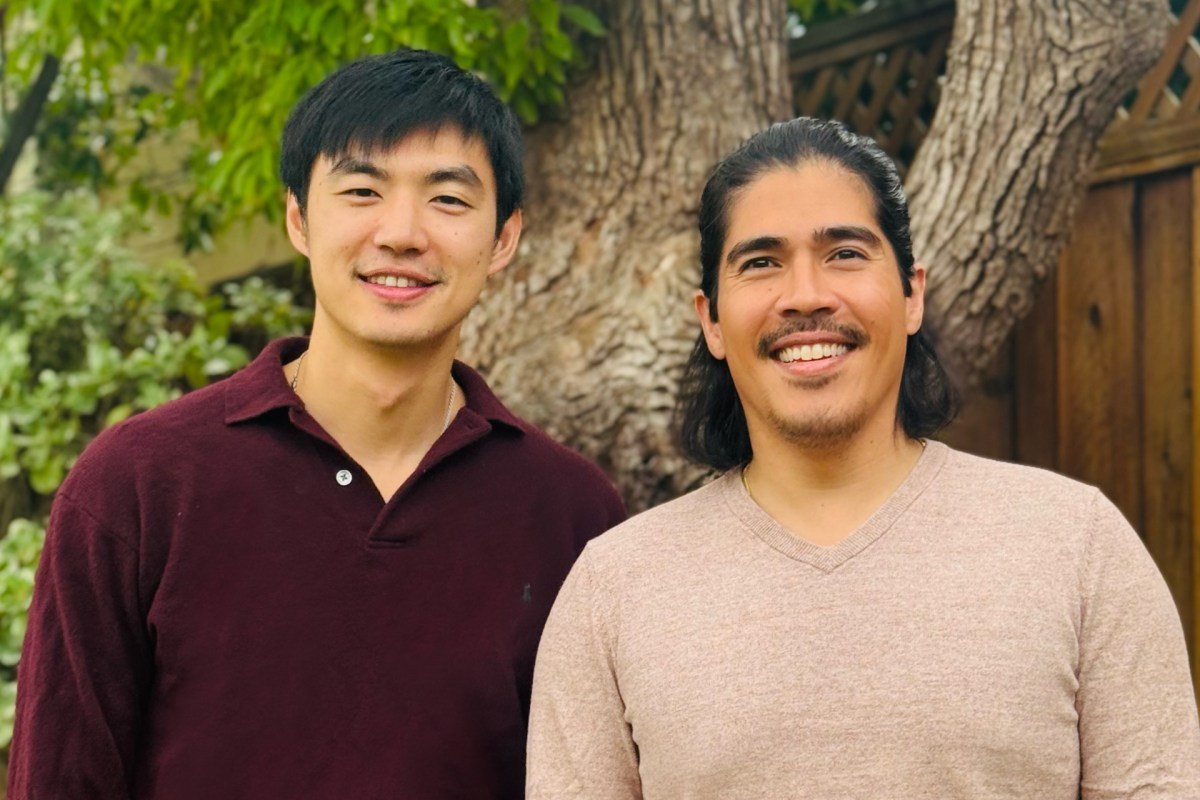
Former Google security veterans Sayak Hormuz and Ryan Luo, who previously led reCAPTCHA and Safe Browsing, have raised $36 million in a Series A round for their startup, AegisAI. Led by Battery Ventures, this infusion brings their total capital to $49 million and signals a major market shift: investment is migrating from content generation to the verification of reality.
Fences vs. Drones: Why Legacy Defenses Are Failing
The fundamental issue is that classic spam filters, built on rigid "if-then" logic, are effectively fences trying to stop drones. As Hormuz points out, modern AI agents can scrape a victim’s digital footprint in seconds—mapping travel routes and current work tasks—to craft perfectly personalized bait. AegisAI estimates that such automated spear phishing bypasses traditional security systems in over half of all attempts, effectively doubling the success rate of cyberattacks.
Technical Inertia and the AI Counterstrike
The weakness of legacy solutions like Proofpoint or Mimecast lies in their latency. Hackers are already bypassing filters using password-protected PDFs or embedded CAPTCHAs. AegisAI is fighting fire with fire:
Proprietary autonomous agents analyze messages with human-like intuition. The system detects style and context anomalies that rigid algorithms miss. Real-time analysis adapts instantly to evolving attacker tactics.
The "AI vs. AI" battle is becoming a top priority as the cost of launching an attack drops toward zero while the scale of threats grows exponentially.
Market Outlook and Risks
The market is reacting as expected. Early adopters include LangChain and the crypto-payment service Mesh. Dharmesh Thakker, General Partner at Battery Ventures, states bluntly that in this new reality, businesses have no other path forward for security.
Despite the founders' impeccable resumes, AegisAI’s solution feels like trying to douse a fire with gasoline: corporations are being asked to add even more autonomous agents to an already cluttered communication environment. However, when AI-generated imitation becomes indistinguishable from reality, businesses are left with little choice but to delegate trust to algorithms, hoping their defensive agent is smarter than the one attacking them.