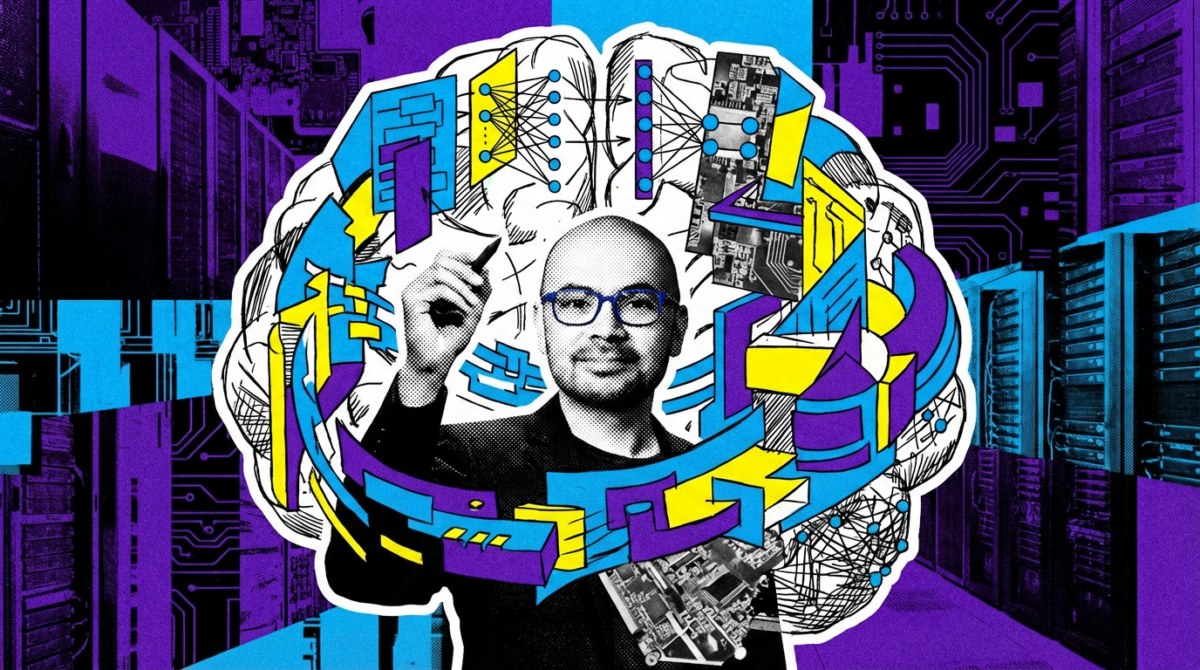
Demis Hassabis, CEO of DeepMind, has again stated that Artificial General Intelligence (AGI) is likely within the next five years. His assertion of "ten industrial revolutions compressed into a single decade" is more than just a statement for a report. It serves as a direct signal to any CEO still under the illusion that long-term strategies can remain unchanged. The sandbox phase is over.
Estimates based on Shane Legg's 2010 projections now indicate a "very high" probability of AGI arriving in the next five years. Hassabis himself acknowledges that today's models are highly specialized geniuses, struggling with trivial tasks when the problem slightly shifts. While scaling continues to yield results, the DeepMind CEO noted that "the effect is a bit less than at the start of this whole boom." Key impediments to AGI include a lack of continuous learning, inability for long-term goal setting, limited memory, and overall system incoherence. Technologies that address these specific issues are poised to trigger genuine exponential transformation.
Hassabis agrees that the AI market is currently "overheated," but emphasizes that the true scale of upcoming changes is "still severely underestimated." Stripping away the public relations, the message is stark: business models predicated on linear growth are doomed. You should expect exponential shifts, where continuous learning, flexible memory architectures, and long-term strategic planning will move from being optional features to fundamental survival requirements. What we are observing now is merely a light breeze before a true storm, compressing years of progress into months. It is crucial to see beyond the marketing noise to the real, time-accelerated transformation, demanding preemptive rather than belated action.
Statements from industry leaders about the imminent arrival of AGI are not a prompt for another presentation or a logo refresh. They are a direct imperative for CEOs: your business model, designed for predictability and linear development, is already obsolete. Exponential shifts mean that adaptability, memory, and planning are not options but survival conditions that must be implemented now, not tomorrow. Your competitive advantage today lies not in current technologies, but in your readiness for tomorrow's radical changes. Those unprepared risk being left behind, watching others capture all the gains.