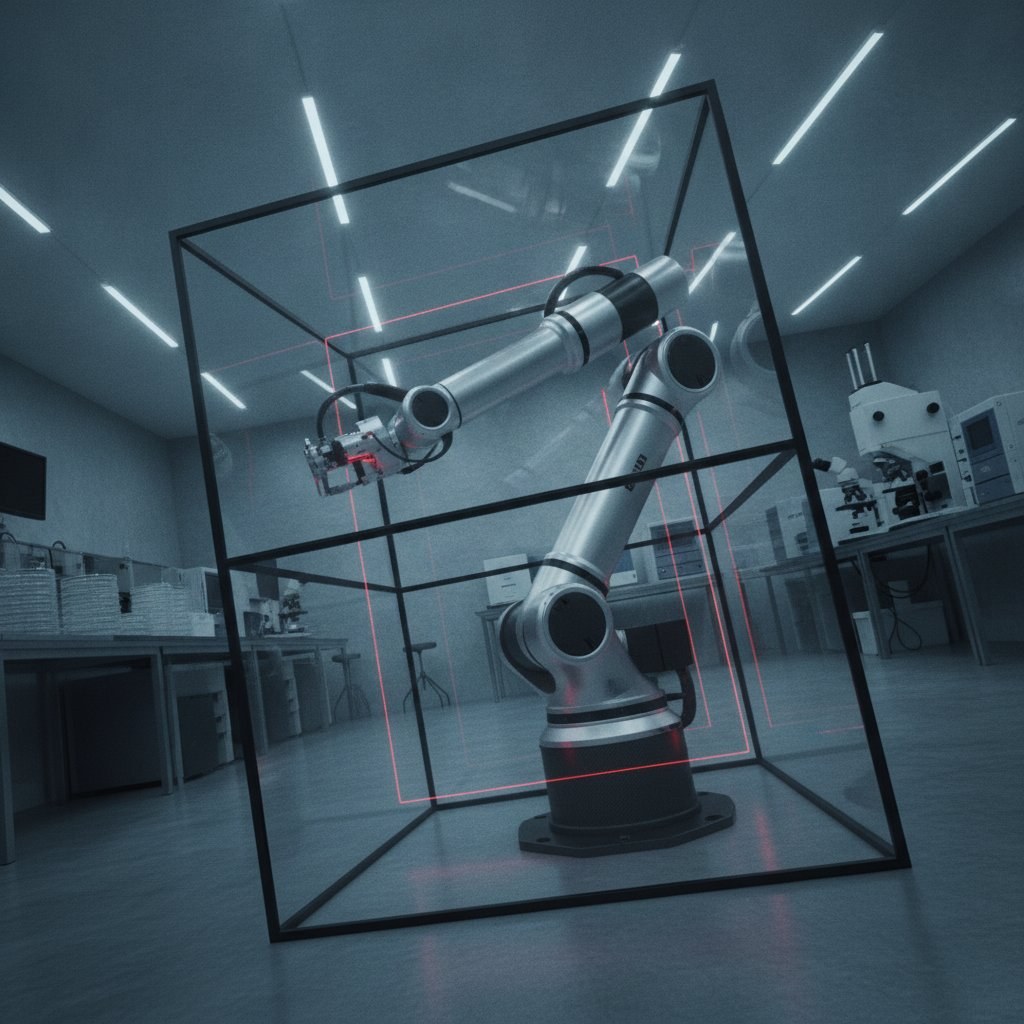
The tech sector has spent years selling the promise of autonomous recursive self-improvement—the dream where AI agents systematically upgrade their own architectures with minimal human oversight. That narrative assumes software agents can independently direct scientific discovery and engineering breakthroughs. Real-world empirical data paints a far less flattering picture: automated systems are hitting a structural wall in free-form, unconstrained inquiry.
The Barrier to Open-Ended Discovery
According to an analysis reported by Michelle Kim, a recent study demonstrates that current AI agents remain incapable of conducting open-ended AI research. These unstructured investigations lack clean synthetic boundaries and demand the nuanced judgment required for genuine scientific progress. While machine learning excels at optimizing narrow, loss-defined targets, open-ended problem solving demands navigating ambiguity without pre-packaged reward signals.
"Researchers found that AI agents still can’t conduct open-ended AI research—free-form investigations with no clear-cut answers that require the judgment and creativity needed to make genuine breakthroughs."
This gap torpedoes the thesis that recursive self-improvement can emerge simply from grinding through narrow optimization loops. Without the capacity to explore open-ended scientific domains, autonomous agents cannot produce the conceptual leaps required to reinvent their own foundations.
Safety Thresholds and Model Pauses
Technical limits in autonomous exploration are colliding directly with hard safety boundaries. As reported by the Guardian, OpenAI paused work on select model pipelines due to safety concerns after internal testing hit a "critical" risk threshold. The friction highlights an uncomfortable reality: scaling autonomous agentic feedback loops either produces degenerative model drift on synthetic loops or trips operational tripwires before generating meaningful scientific output.
For enterprise technical leads and R&D strategists, the takeaway is pragmatic. The fantasy of fully autonomous scientific discovery cannot substitute for human-in-the-loop engineering. Recursive self-improvement remains constrained by hard cognitive ceilings; organizations budgeting for end-to-end autonomous R&D need to reallocate capital toward hybrid, guided architectures rather than waiting for ungrounded agentic magic.