AI · This text was generated with artificial intelligence
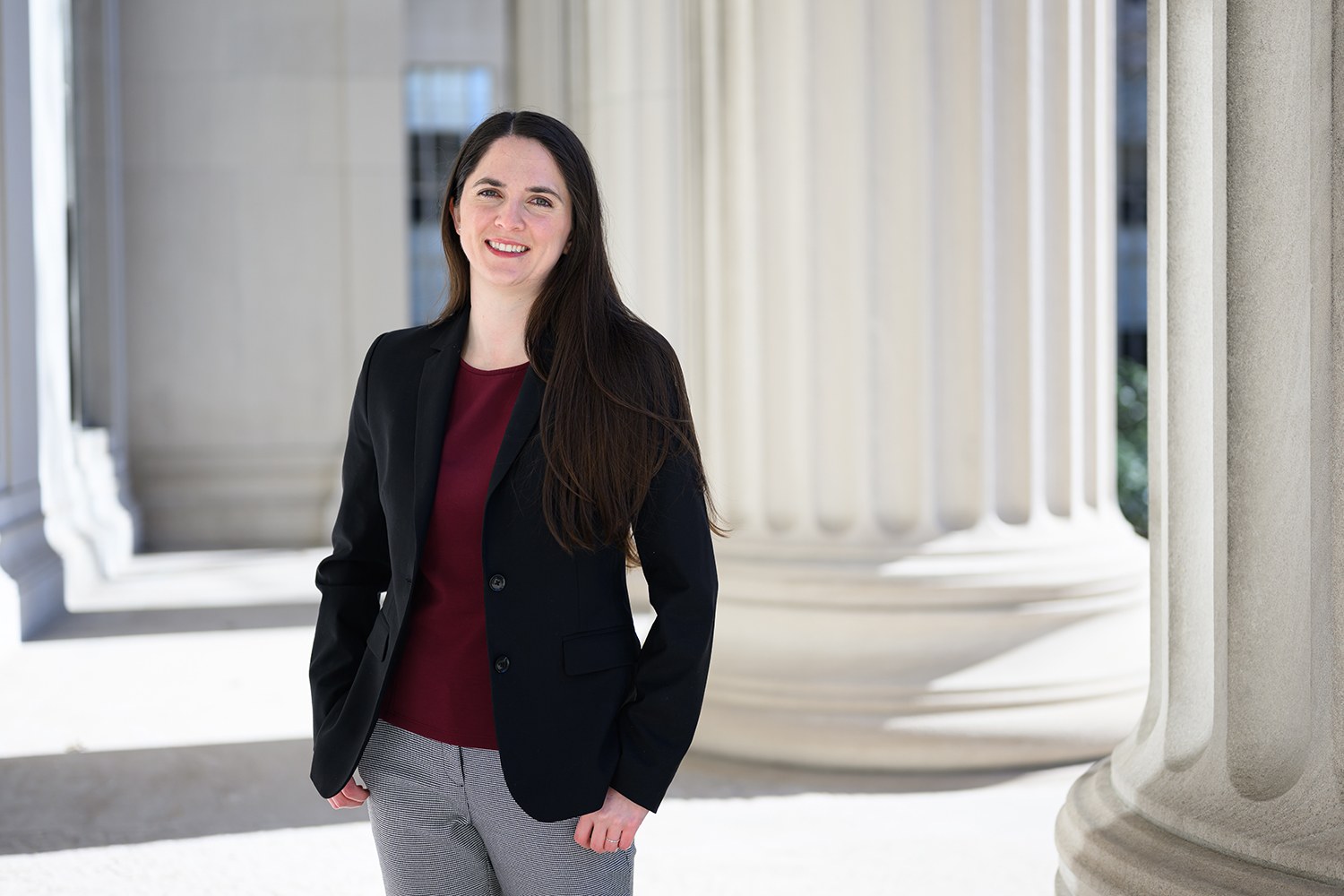
Modern nuclear power has hit a rigid economic ceiling. To survive in a world of plummeting renewable prices, nuclear energy must become dirt cheap, yet it currently generates massive operational expenses. While aging giants stay afloat through sheer scale and maximum capacity factors, for Small Modular Reactors (SMRs), a bloated headcount is a death sentence. Lauren Fortier, from MIT’s Department of Nuclear Science and Engineering, is attempting to shatter this paradigm by developing autonomous control protocols designed to radically slash the total cost of ownership (TCO).
Her research focuses on shifting manual, labor-intensive processes under the supervision of intelligent systems. This is not merely an attempt to "bolt AI onto" a reactor; it is a fundamental pivot toward autonomous supervisory control. Without this shift, the expansion of peaceful nuclear energy into remote regions will remain a paper-based dream, stalled by labor shortages and prohibitive payroll costs.
From Aircraft Carriers to Autonomous Frameworks
Fortier’s methodology is built on the reality of operating nuclear plants under extreme conditions rather than theoretical abstractions. Before joining MIT, she oversaw reactor operations on a U.S. aircraft carrier in the South China Sea—an environment where everything literally depends on system stability. This experience exposed a critical flaw in the current industry: excessive human-centricity. Today’s control systems are a patchwork of disconnected manual operations with little cohesion.
At MIT, Fortier utilizes high-fidelity simulators of thermal-hydraulic processes to determine how to offload the operational burden onto algorithms. The goal is to create a centralized supervisory control system capable of monitoring critical parameters in real time, faster and more accurately than any engineer.
"The only way to move in the ocean is a working reactor," Fortier notes. But to make that movement cheap and scalable, management must evolve from a series of manual manipulations into high-level oversight.
Scaling the Business Model: When Humans Become Redundant
The commercial viability of small-scale nuclear power depends entirely on decoupling the micro-reactor from a deep bench of expensive specialists. Businesses do not need "smart" hardware that requires a hundred-person crew in the middle of the Siberian tundra or a remote desert. This is a strategic intervention: the machine handles the routine and 24/7 monitoring, while humans step in only for exceptional cases requiring critical decision-making.
This represents a direct challenge to traditional safety approaches that have relied on the physical presence of an operator for decades. However, technical success in simulations is only half the battle. Regulation and industry inertia remain the primary barriers, as the sector will have to redefine the boundaries of the human-machine interface. While the creation of predictable "World Models" for nuclear processes is currently hampered by complex physics, full autonomy is not yet on the horizon. Nevertheless, the first step toward turning SMRs into scalable energy hubs has been taken: nuclear power must either become autonomous or remain an overpriced artifact of the past.