AI · This text was generated with artificial intelligence
Security on the Brink: The Vulnerability of Modern Power Grids
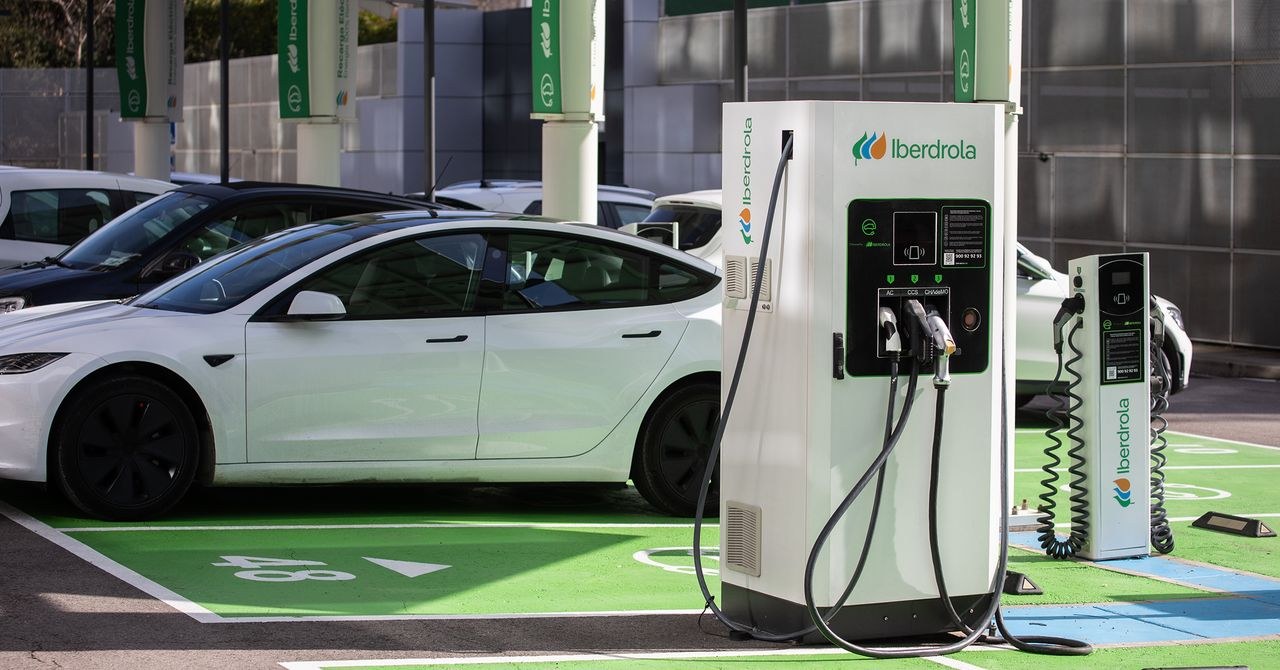
The rapid deployment of electric vehicle (EV) charging networks has led to a classic digital trap: the pace of construction is vastly outstripping the development of security protocols. As Cristina Alcaraz, an infrastructure security researcher at the University of Malaga, points out, current charging station architecture is a volatile mix of physical and digital nodes. This turns every terminal into an ideal entry point for destabilizing national power systems. Traditional monitoring, which relies on the Open Charge Point Protocol (OCPP), is too localized and shortsighted. Operators are effectively blind, unable to see how an attack on a single station can trigger a cascading failure across an entire regional grid.
Autonomous Sentinels: Decentralized Intelligence in Every Node
The NICS Lab at the University of Malaga proposes moving away from patching holes with outdated methods. Instead, they suggest embedding a decentralized system of AI agents directly into charging station components. These are not passive observers, but autonomous digital guardians.
AI agents analyze their environment in real time. They exchange data with neighboring nodes to build a comprehensive situational picture. The system performs contextual analysis of the entire infrastructure's health.
This level of connectivity allows the system to identify anomalies that standard local monitors simply ignore, often mistaking the beginning of a massive cyberattack for a routine technical glitch.
Resilience Economics: Why Manual Management No Longer Works
From a resilience economics perspective, this agent-based approach is the only rational path forward for CTOs and network owners. Preemptive threat isolation by autonomous algorithms is significantly cheaper than dealing with the aftermath of a power grid breach. Moving from fragmented visibility to collective AI intelligence is not a matter of technological prestige; it is a necessity to reduce operational risks as infrastructure becomes too complex for manual management. The future of EV network security belongs to those willing to delegate instantaneous response to algorithms, rather than those relying on an engineer's ability to answer a phone call in time.