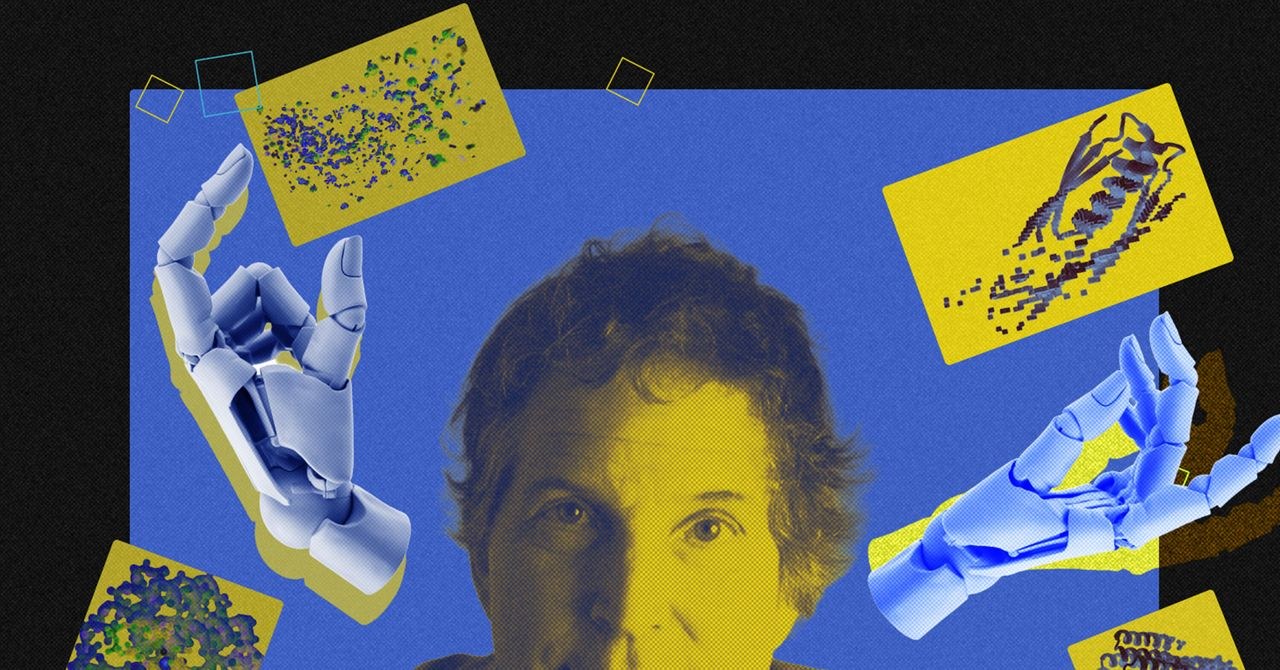
For billions of years, biological systems operated within the strict confines of natural evolution, yet the organic world represents only a tiny fraction of what is chemically possible. Expanding past these constraints requires engineering capabilities that build functional biological systems from scratch, rather than merely prospecting what nature left behind. To industrialize this approach, the Allen Institute, the University of Washington, and the Fred Hutchinson Cancer Center have launched AI BioDesign, an initiative squarely focused on engineering de novo molecules that have never existed in nature.
Generative Design and Physical Validation
AI BioDesign combines generative machine learning with high-throughput laboratory pipelines to design and evaluate entirely novel molecular structures. David Baker, chief scientific officer at AI BioDesign and recipient of the 2024 Nobel Prize in Chemistry for computational protein design, oversees the effort to systematically map unexplored biochemical territory. The initiative is not publishing academic curiosities; it targets high-stakes applications ranging from targeted oncology therapies and treatments for neurodegenerative pathologies to engineered enzymes designed to degrade plastic waste.
Computational workflows allow researchers to simulate atomic interactions and screen biological behaviors before anyone synthesizes a physical sample in the wet lab. According to Baker, evaluating structural parameters algorithmically lets teams filter out toxic dead-ends and optimize therapeutic candidates prior to burning expensive laboratory cycles.
Achieving this operational velocity, however, requires an uncompromising feedback loop between predictive models and automated physical assays. While machine learning aggressively accelerates pattern recognition and structural generation, empirical testing remains the only way to validate binding kinetics, solubility, and toxicity in real-world environments.
Governance and Biosecurity Parameters
Deploying custom synthetic biomolecules introduces severe operational risks, including unpredictable biological interactions and environmental contamination. Because computational models routinely propose functional configurations that researchers do not yet fully understand mechanistically, rigid experimental oversight must govern the entire design lifecycle.
To mitigate biosecurity hazards tied to automated molecular synthesis, Baker advocates for strict industry-wide controls, keeping generation tightly coupled with physical oversight rather than leaving it to open-access automation.
AI BioDesign marks a structural break from traditional pharmaceutical discovery, moving protein engineering from stochastic trial-and-error to an iterative, computational design model. The ultimate bottleneck is no longer generating sequences, but closing the gap between machine-generated predictions and empirical validation: algorithmic models demand continuous, large-scale laboratory data to guarantee molecular stability and human safety before these structures ever touch a market.