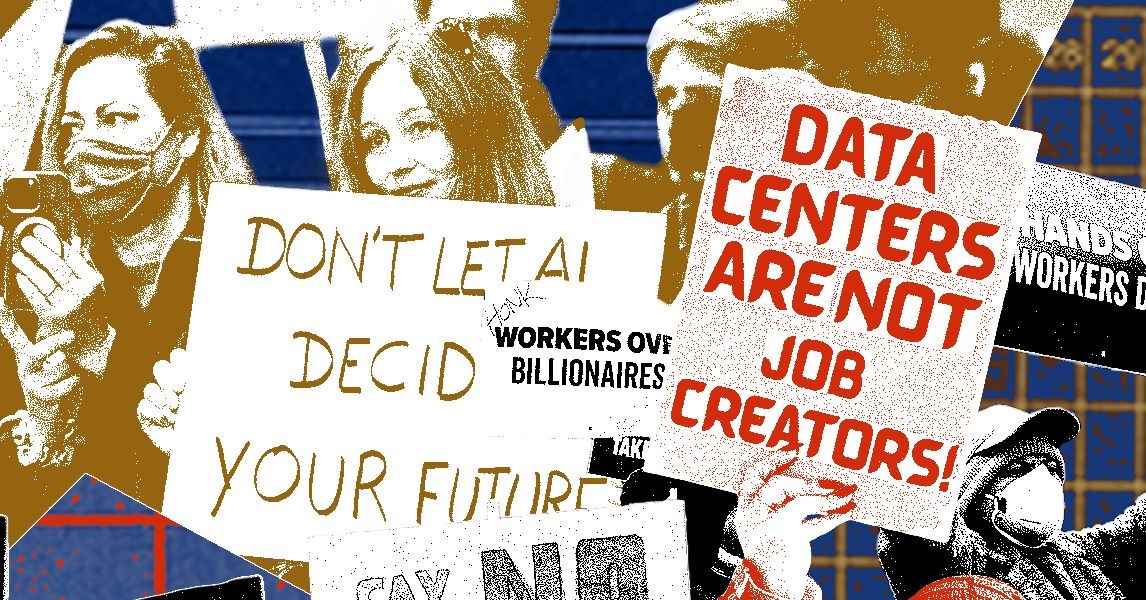
America’s domestic surveillance apparatus is pivoting toward a new target: "anti-tech extremists." According to a trove of internal reports from the Department of Homeland Security (DHS) and the FBI obtained by WIRED, federal agencies have begun closely monitoring activists whose interests range from protesting data centers to making direct threats against tech executives. This tectonic shift in intelligence operations follows the adoption of Presidential Memorandum NSPM-7. The document explicitly directs the Department of Justice to keep tabs on individuals with "anti-capitalist beliefs." Essentially, while the White House pours capital into AI infrastructure, any resistance to this expansion is being reclassified from civil protest to a matter of national security.
The New York Intelligence Center (NYICB) paints a grim picture in its five-year forecast: mass unrest and violence in major metropolitan areas as a reaction to neural network deployment. The reports highlight not only radicals but also philosophical movements—such as the Ziz Laota group and "Zizians," who are preoccupied with the existential risks of AI. Intelligence services fear their ideas will act as a catalyst for paranoid sentiment across society.
Ironically, while many machine learning engineers share concerns about AI alignment, regional counter-terrorism centers are now dumping these anxieties into a single bucket labeled "anti-tech violent extremism."
For data center operators and tech leadership, this represents a radical shift in risk profiles. What was once dismissed as "Luddite grumbling" over job losses has transformed into a physical threat to facilities and personnel.
Key Takeaways
Physical perimeter security and executive protection now demand the same attention and budget as cybersecurity.
If you haven't updated your risk assessment protocols to include these new categories of domestic extremists, now is the time.
The government has officially recognized the tech agenda as a theater for hard-line security confrontations.