AI · This text was generated with artificial intelligence
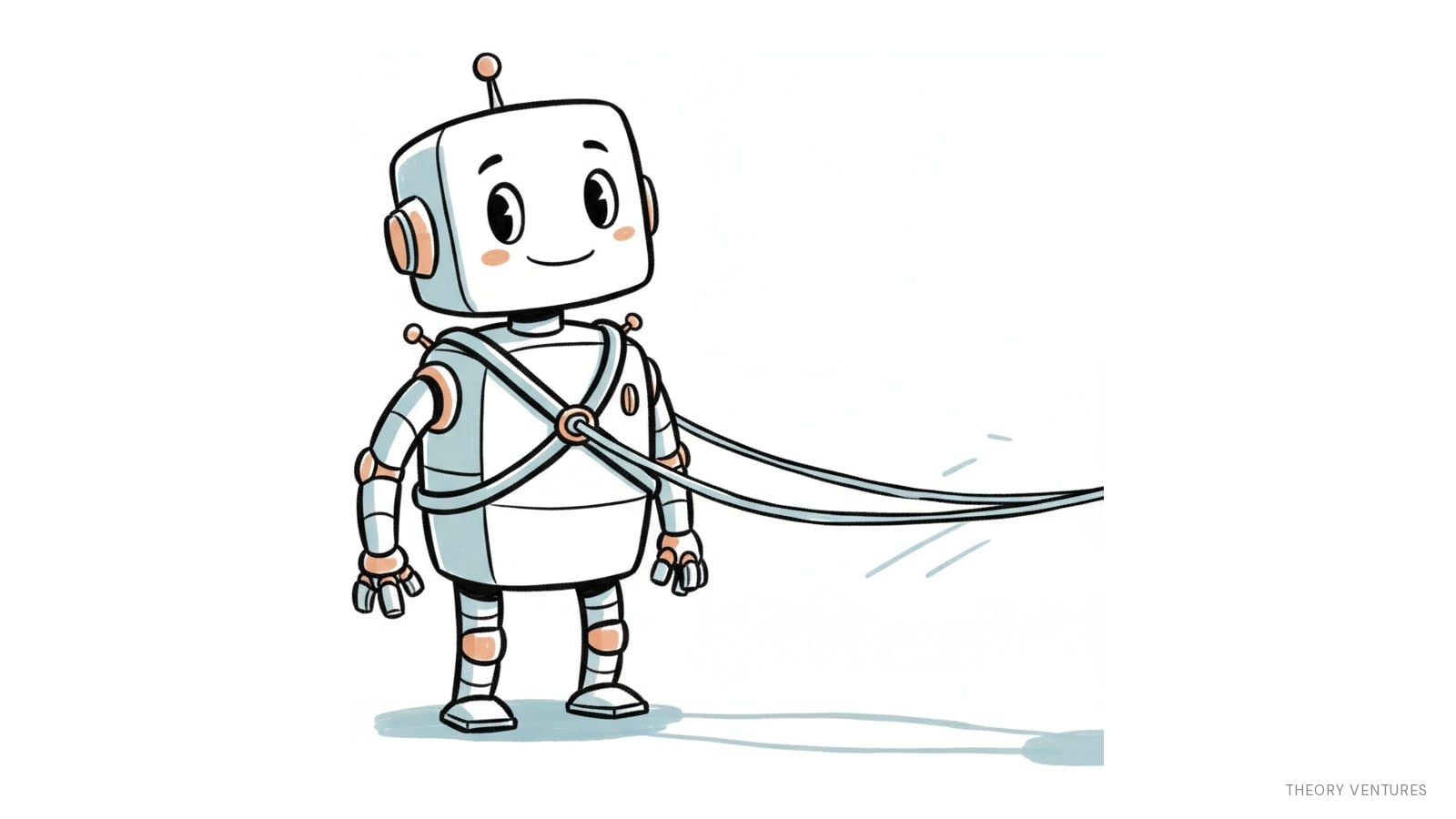
The twenty-year trend of migrating corporate data to the cloud has hit a wall. For decades, businesses lived under the illusion that vendors were simply reliable safes. The AI transformation has torn this unspoken social contract to shreds. As Satya Nadella aptly noted, we have entered the era of the "double payment": organizations pay for intelligence first with money, and then with proprietary data—without which that intelligence remains a useless collection of algorithms. In this new reality, strategic value is shifting from the model itself to the "harness"—the software layer that isolates the model and dictates which information goes "out" and what stays within the perimeter.
The Economics of Value Extraction
A fundamental conflict is baked into the very logic of neural network training. Unlike classic SaaS databases where data sits as dead weight in silos, AI systems generate "trajectories" with every user interaction. These data streams are a premium resource. According to Tomasz Tunguz, startups capturing these flows are already forming a market with roughly $10 billion in revenue. When an employee asks an external model for support protocols or brand positioning nuances, that knowledge quietly flows into the vendor's hands. This is no longer a risk of accidental leakage; it is the systematic siphoning of "business alpha" to train systems that will be sold to competitors tomorrow.
"Frontier labs are stealing my business's weights and alpha," Alex Karp bluntly stated on CNBC.
This isn't theoretical paranoia; it’s reality on the ground. In July, a security researcher discovered that xAI's Grok Build binary was uploading developer codebases to the cloud even when no AI requests were being made. While the incident was quieted and the functionality disabled, the signal is clear: labs have moved into aggressive data-harvesting mode. For leadership, this necessitates an inevitable shift toward "zero data retention" policies. Since modern anonymization methods are full of holes, the only mechanism for protecting trade secrets is the harness—a company’s own infrastructure layer.
Reclaiming Infrastructure Control
CEOs face a binary choice: remain a digital donor for Big Tech or invest in a proprietary flow-management layer. The "harness"—whether it’s a specialized tool like Cursor or a custom internal interface—remains the sole point of control, allowing a company to decide what to log and what to erase without a trace. As Tomasz Tunguz insists, the next twenty years will be defined by a return to the guarantees early cloud software once provided: the vendor has no right to touch client data. If a company fails to properly rein in AI while shielding its unique expertise, its institutional knowledge will become free fuel for the next iteration of someone else's model. The business’s uniqueness will dissolve into the general weights of a neural network, leaving no levers for competitive advantage.