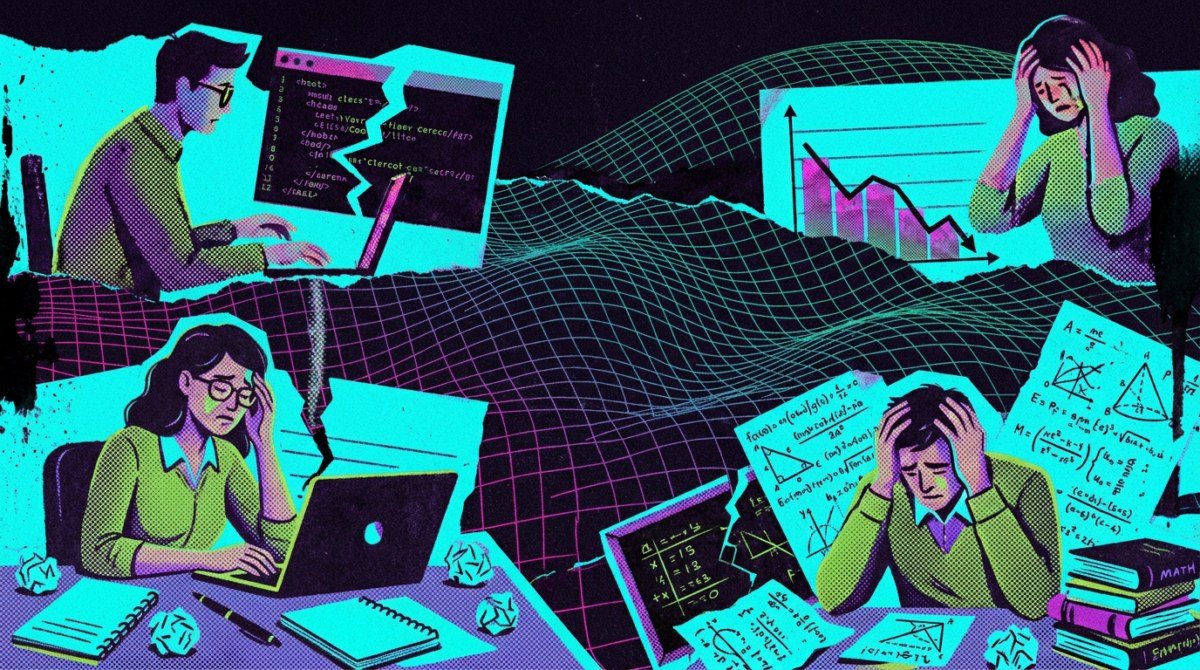
The economic transformation driven by AI is set to be a brutal survival test, where the window of opportunity for business is slamming shut faster than a social media feed refreshes. A group of 200 economic heavyweights, including Nobel laureates Daron Acemoglu, Joseph Stiglitz, and Paul Krugman, has signed the "We Must Act Now" manifesto. They are joined by the very architects of the current disruption—Google’s Jeff Dean, along with top executives from OpenAI and Anthropic. Their collective diagnosis reads like a verdict: we are facing a shift that will dwarf the Industrial Revolution in scale, but instead of a century to adapt, we have barely a decade.
The Institutional Gap and Forecasting Fog
The problem lies not in the technology itself, but in the catastrophic lag between code and social institutions. Erik Brynjolfsson of the Stanford Digital Economy Lab notes that while model capabilities are soaring exponentially, our analysis of their market impact is crawling at a snail's pace. Michael Spence calls this a moment for total mobilization; when the rules of the game change mid-play, legacy corporate resilience strategies turn into pumpkins.
"We are driving in a fog, and it is extremely difficult to predict what will happen next," notes Tom Cunningham of METR with a touch of irony.
This fog conceals more than mere "optimization"—it hides the full-scale displacement of human labor. Demis Hassabis of DeepMind adds fuel to the fire, predicting the emergence of systems with the combined power of ten industrial revolutions arriving within a five-year horizon. In this environment, the inertia of regulators and corporate hierarchies becomes the decade's primary risk.
Action Economics vs. Corporate Optimism
While academics sound the alarm, Big Tech has begun its customary mid-air pivot. OpenAI’s Sam Altman now insists that AI is a "net job creator," while Anthropic’s Dario Amodei carefully frames automation as a mere "productivity multiplier." This corporate optimism looks like an attempt to lulls regulators into a false sense of security, especially given the lack of clear metrics on how AI is actually transforming the real sector.
The manifesto’s core paradox is that the world’s scientific elite and industry leaders have converged on the same point, yet they continue to speak in the subjunctive mood. AI "could" destroy jobs; the transformation "might" be radical. While experts compete in apocalyptic forecasting without offering concrete protective mechanisms or new incentives, business leaders are left with one reality: old motivational methods and management structures are dead. Relying on the state is futile—preserving corporate stability will require a radical rebuilding of business logic to match the exponential growth of machine intelligence, without waiting for the fog to lift on its own.