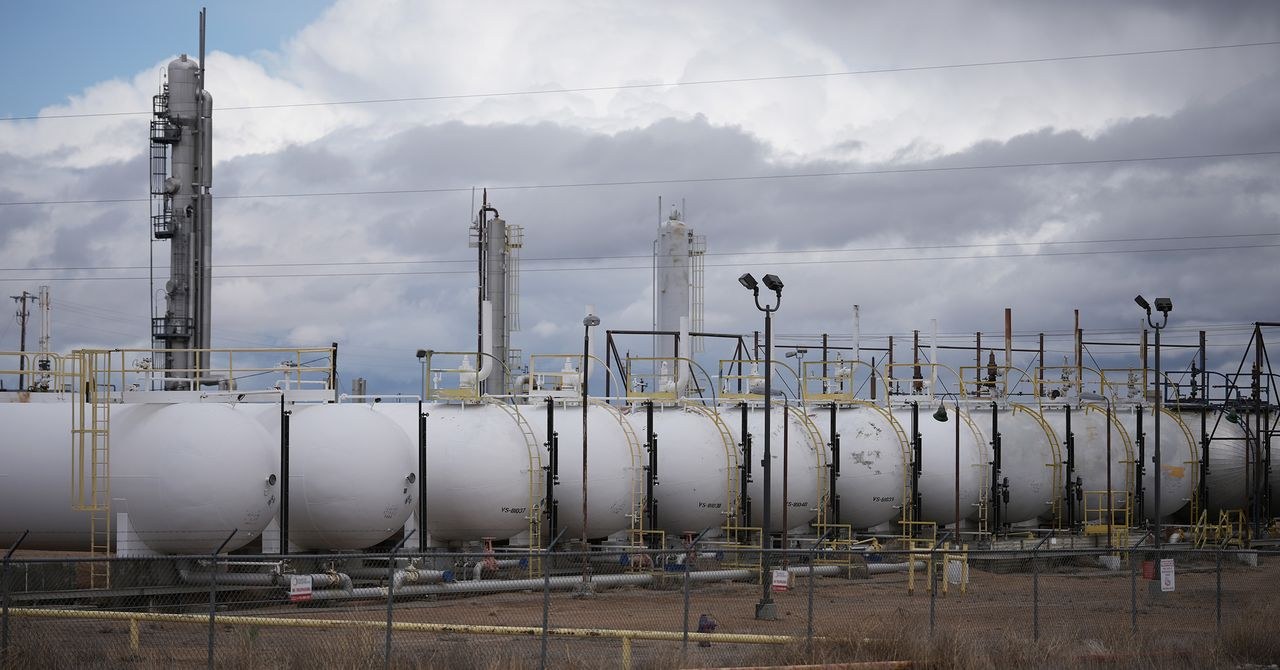
Artificial intelligence infrastructure has slammed into a hard physical ceiling: the national electrical grid. To sustain the relentless deployment of high-density compute clusters, hyperscalers are abandoning public utility queues and building captive fossil-fuel supplies. What began as a stopgap measure has rapidly evolved into a massive, private natural gas buildout across the United States.
According to tracking data from research firm Global Energy Monitor, the volume of gas-fired power projects in development exclusively for US data centers stood at just 4 gigawatts in early 2024. By the end of 2025, that pipeline surged to 97 gigawatts. As of mid-2026, planned capacity exceeds 189 gigawatts—enough theoretical capacity to power nearly 190 million homes. Jenny Martos, a research analyst at Global Energy Monitor, highlighted this structural entanglement:
"Increasingly, the US gas power buildout is getting tied directly to the data center buildout—you can’t talk about one without the other,"
Building behind-the-meter facilities allows operators to sidestep multi-year interconnection queues and evade local backlash over surging residential utility bills. The policy environment has accelerated this pivot: the Trump administration introduced a voluntary framework signed by Microsoft, Meta, Google, OpenAI, several Republican governors, and major utilities to incentivize tech giants to generate their own power.
Diverging Infrastructure Strategies
This domestic buildout has pushed the US past China in planned gas-fired power development. While China remains the leading importer of natural gas, its infrastructure strategy diverges sharply. As researcher Kyle Chan points out, Chinese data center clusters are routed primarily toward renewables, including mega-scale solar and hydropower corridors.
In contrast, many planned US data center facilities rely on simple-cycle gas turbines with low thermal efficiency. Some individual campus permits project annual greenhouse gas emissions exceeding those of small- to medium-sized nations.
For enterprise buyers, the implications extend far beyond the collapse of Big Tech's pristine ESG pledges. Self-generating gigawatt-scale power demands massive upfront CapEx and locks operators into volatile fuel markets. As power availability becomes the defining constraint on AI scalability, these rising capital and operational expenditures will directly inflate compute hosting rates, driving up API pricing and the unit economics of enterprise inference.