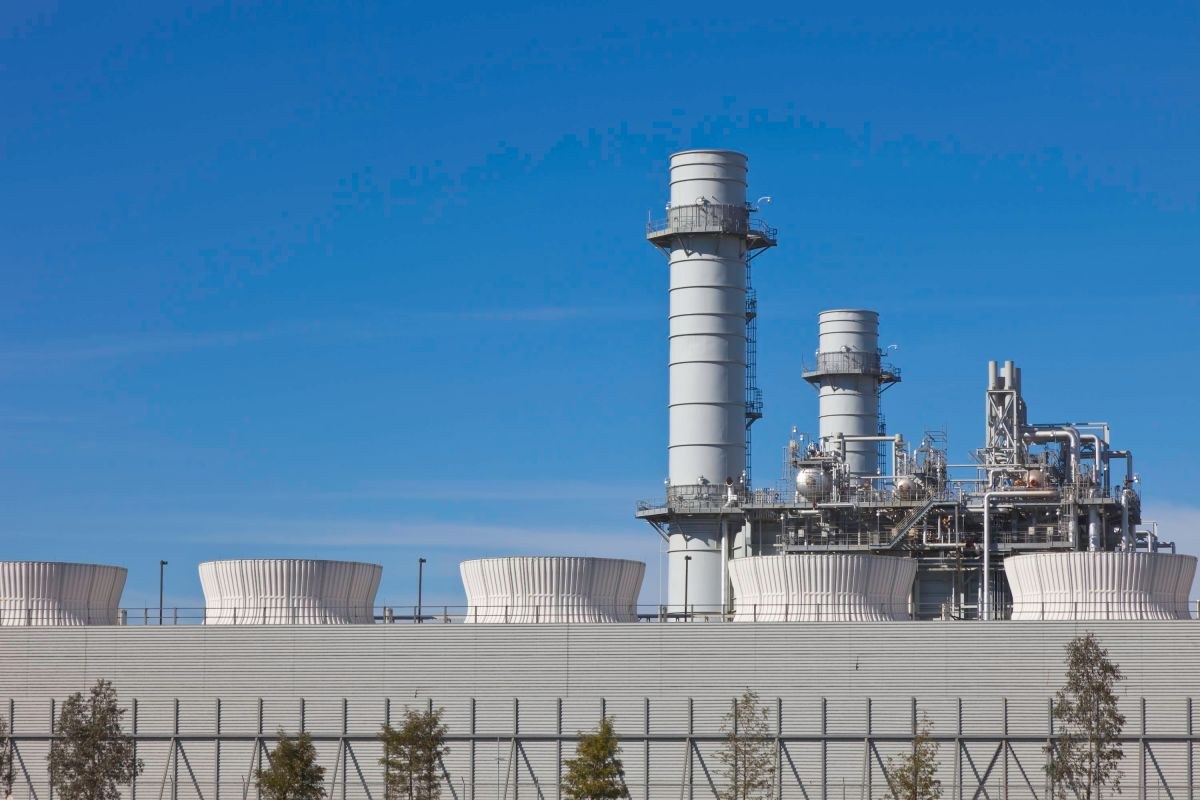
Tech giants, who for years promised a 'green digital future,' have suddenly found themselves standing in line for fossil fuels. According to a fresh report from BloombergNEF, the cost of building gas-fired power plants—essential for powering the data centers of Microsoft and Meta—has jumped 66% in just two years. While a combined-cycle unit cost less than $1,500 per kilowatt in 2023, the price tag has now surged past $2,157.
Dreams of cloud-based abundance are clashing with the harsh reality of supply chains: project implementation timelines have stretched by 25%, and waiting lists for gas turbines are fully booked through the early 2030s. Analysts estimate that by the end of this year, the price of these units—which account for a third of a power plant's total cost—will soar by 195% compared to pre-pandemic 2019 levels. The infrastructure is clearly overheating; the industry simply cannot manufacture equipment at the speed Satya Nadella and Mark Zuckerberg plan to consume terawatts for model training.
This aggressive bet on gas looks like an act of desperation. As the Trump administration demands that Big Tech 'bring their own power,' companies are falling into a fossil fuel trap triggered by the intermittency of renewable energy sources. In our view, this signals the end of the 'Clean AI' marketing myth. Scaling is becoming a financial black hole: data center electricity demand is projected to grow from 40 to 106 gigawatts by 2035, but building that capacity is becoming prohibitively expensive.
In this arms race, Google is attempting to find an alternative path, testing iron-air batteries from Form Energy for long-duration storage. While competitors get bogged down in rising capital expenditures (CAPEX) for turbines, Google is betting on cheaper solar panels and 100-hour storage units. For the business community, the signal is clear: it is time to reassess old inference cost calculations. If your strategy relied on cheap capacity rentals, it is time to recalculate your unit economics, accounting for the fact that basic infrastructure will continue to get more expensive through the end of the decade.