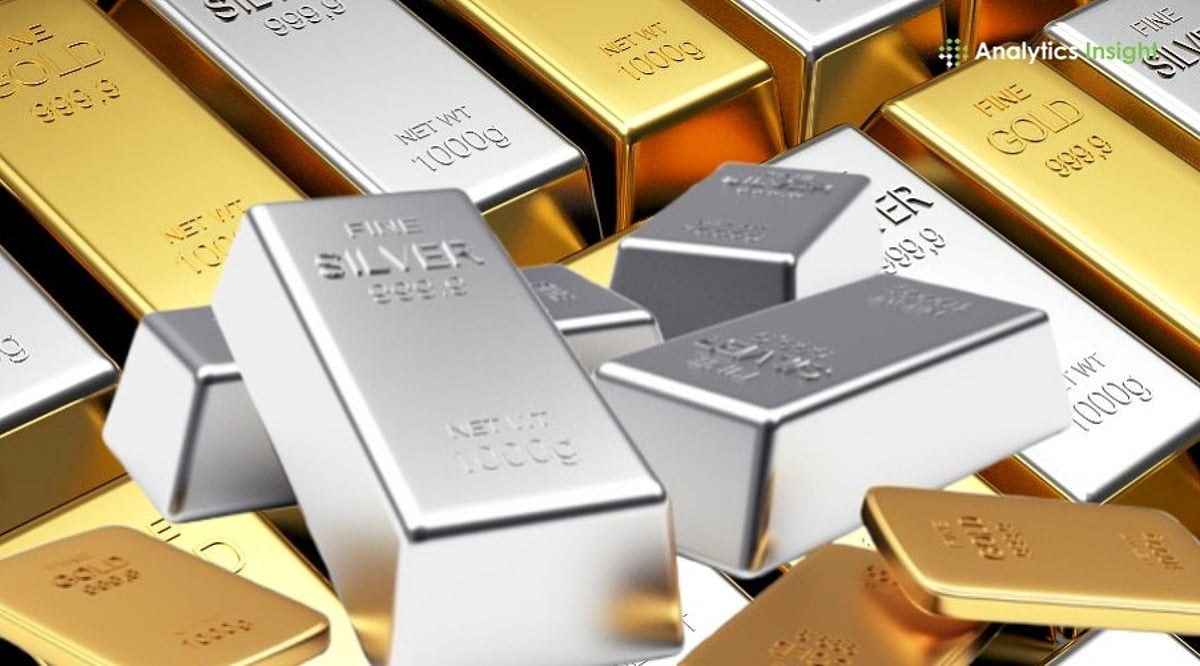
As the tech sector grapples with the fallout of the massive AI transformation, traditional safe-haven assets are proving remarkably resilient. Data from Analytics Insight analysts Somatirtha and Sankhya Ghosh shows that high-grade gold and silver are shattering historical records. This isn't just a random spike; we are witnessing a deliberate flight to physical assets as investors seek refuge from the volatility triggered by the unpredictability of high-tech markets.
For business leaders, precious metals should be viewed as insurance not just against inflation, but against potential disruptions in cross-border digital payments. In an era of geopolitical turbulence, gold remains the only liquid collateral that doesn't depend on server uptime or the whims of regulators. Current market prices tell a clear story: CFOs are no longer willing to dump all their reserves into speculative AI ventures, opting instead for hard risk hedging.
Analysts note that the precious metals market is currently hypersensitive to external shocks, ranging from oil price fluctuations to Fed rhetoric. Meanwhile, internal industry trends have almost no impact on the situation, creating a unique divergence. While some market participants wait for the next big software breakthrough, pragmatic players are locking in profits and converting them into bullion. Silver is showing even greater volatility due to high industrial demand, serving as a barometer for global anxiety.
Stability is unlikely to return anytime soon. Fear of rising interest rates and stalling diplomatic negotiations will continue to drive the agenda. The gold-and-silver duo has become a mirror reflecting global skepticism toward digital promises. For businesses, the takeaway is simple: while the AI industry hunts for a sustainable business model, a physical hedge remains the only way to protect capital from devaluation in the event of a true market crash.