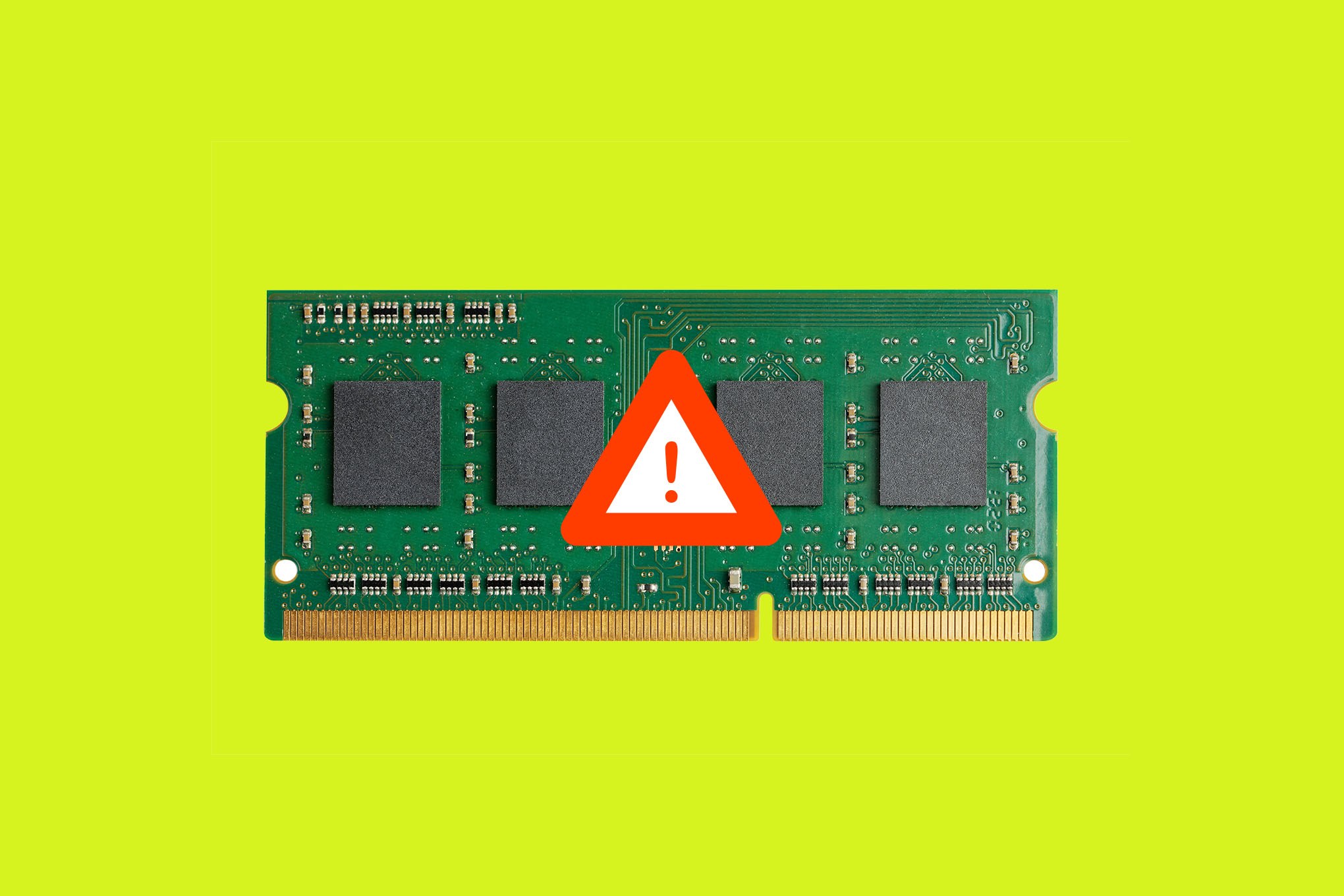
The AI industry's insatiable appetite for IT infrastructure is facing the harsh reality of manufacturing constraints. According to Nikkei Asia, manufacturers will only be able to meet 60% of global memory demand by the end of 2027, despite aggressive efforts to scale DRAM production. The Chairman of SK Group warned that component shortages could persist until 2030. To stabilize the market between 2026 and 2027, production volumes would need to grow by 12% annually; however, Counterpoint Research indicates that planned growth is currently capped at just 7.5%.
New facilities from industry giants Samsung, SK Hynix, and Micron are not expected to come online until 2027 or 2028 at the earliest. The sole exception is the launch of SK’s Cheongju plant in February—currently the only capacity expansion among the 'Big Three' scheduled before 2026. Furthermore, these new production lines will primarily focus on High Bandwidth Memory (HBM), which is essential for AI-driven data centers.
This strategic pivot toward HBM is already forcing manufacturers to prioritize the high-margin AI segment at the expense of standard DRAM. Sectors including smartphones, laptops, VR headsets, and portable gaming consoles are already feeling the impact, with component prices rising due to resource scarcity. In the coming years, this persistent supply-demand gap will continue to exert significant upward pressure on the cost of consumer electronics.