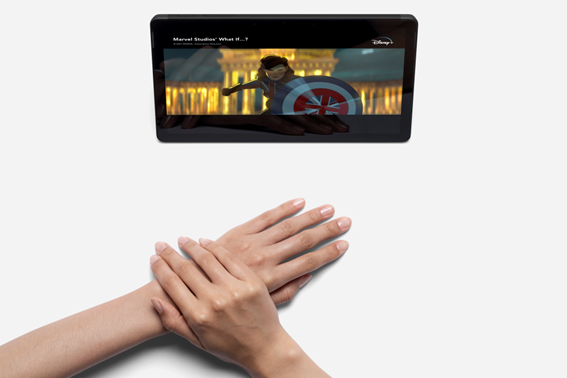
Imagine watching a video where subtitles aren't just a couple of lines at the bottom of the screen, but an entire column of ten, displayed to the side. This novel approach is how AI-Mimi and Microsoft are setting their sights on the Japanese content market. The underlying driver is the growing global trend toward subtitles and accessibility, a demand that Japan appears poised to monetize significantly.
While in countries like Britain, up to 35% of viewers prefer watching content with subtitles, Japan presents a prime market for such innovations. With a third of its population over 65 and millions of hearing-impaired individuals, Japan represents an ideal testing ground. This is not charity; it is a clear business opportunity, a fact well understood by both Microsoft and AI-Mimi.
Previously, implementing live subtitling required substantial investment, potentially costing tens of millions of yen for equipment and a large operational staff. Muneya Ichise from SI-com confirmed this challenge, stating, "Over 100 local TV stations cannot afford live subtitling due to the exorbitant equipment costs and a shortage of personnel." AI-Mimi, a project of ISCEC Japan, has addressed this issue by integrating Microsoft Azure Cognitive Services with human oversight. According to its creators, this combination has resulted in both reduced costs and improved quality.
This technology is already in use in Japanese universities. Its key feature is the display of ten lines of subtitles on the side of the screen, which has reportedly led to improved comprehension. Pilot programs conducted in late 2021 demonstrated that even small, regional broadcasters, previously hindered by prohibitive costs, can now seamlessly integrate this subtitling solution into their broadcasting schedules.
The partnership between AI-Mimi and Microsoft signifies more than just an advancement in inclusivity. It signals that highly specialized solutions can evolve into significant business trends. For executives at Japanese media companies, this offers a chance to optimize expenses and gain a competitive edge simply by making their content more accessible. Microsoft, in turn, gains access to a vast, previously untapped market. Ultimately, accessibility is no longer solely about corporate social responsibility; it is about real revenue and reaching new audiences. It may be time to re-evaluate how accessibility initiatives are perceived within the business world.