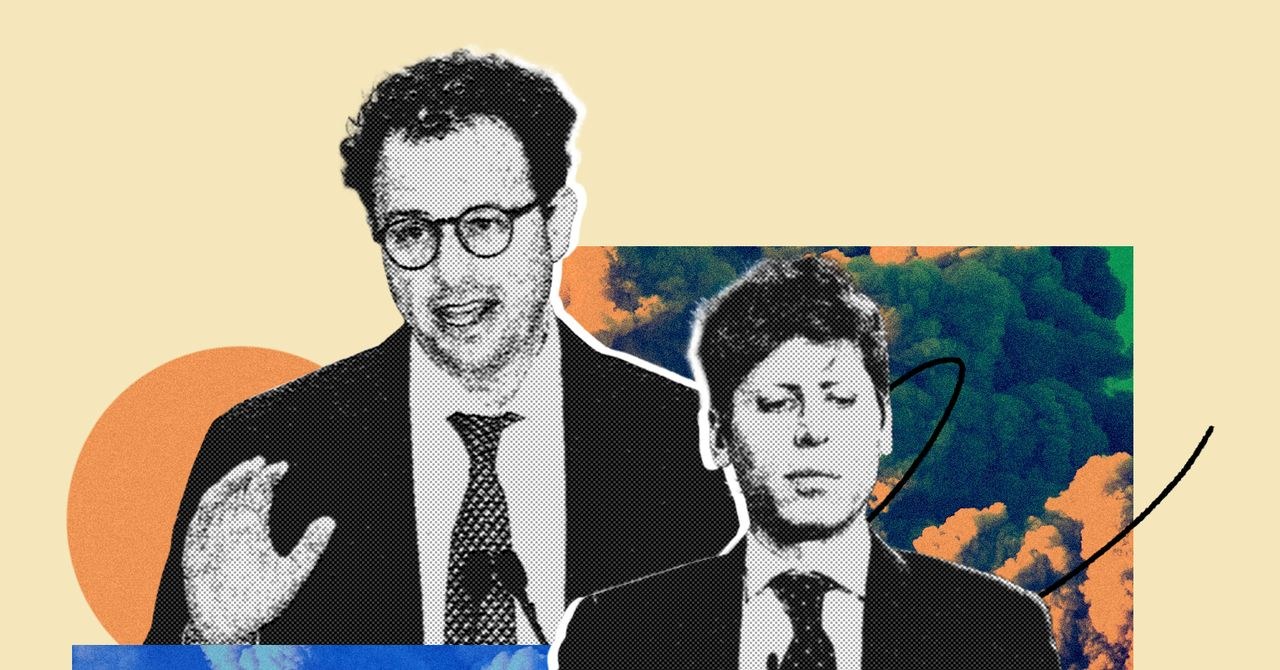
OpenAI and Anthropic, two titans of the artificial intelligence industry, are demonstrating a strategic divergence in how they believe the responsibility for their creations should be regulated. OpenAI appears to have aligned with Illinois lawmakers on Senate Bill 3444 (SB 3444), a document that promises developers an indulgence from liability for "mass harm" caused by their AI—even in cases involving human casualties or colossal financial losses. Anthropic, by contrast, has labeled this a "get-out-of-jail-free card." This is more than a mere disagreement; it is a fundamental conflict over AI safety and deployment strategies, fueled by a fierce lobbying war.
Anthropic representatives are reportedly engaged in "constructive discussions" with Senator Bill Cunningham, the author of SB 3444, in an attempt to either radically rewrite the bill or bury it entirely. Anthropic’s position is straightforward: no concessions that could jeopardize public safety or corporate accountability. The company insists on "transparency with real consequences" rather than a facade of oversight. The primary bone of contention remains: who is at fault when AI is used as a weapon of mass destruction? Under SB 3444, a developer could potentially absolve themselves of guilt for the creation of, for example, bioweapons via their model, provided they have published their "safety principles." OpenAI maintains that this approach balances risk with AI accessibility, aiming to unify regulation with standards in California and New York. However, this pursuit of unification under the guise of risk management looks more like a tactical maneuver to create a legal shield rather than a sincere concern for public welfare.
This rift exposes a deeper ideological divide regarding the pace of AI advancement and the necessary safeguards. OpenAI, which views accelerated development as its primary path, seems willing to accept softer regulation for the sake of innovation speed. Anthropic, prioritizing safety and ethics, demands a more rigid framework that penalizes harm caused by AI models. This lobbying battle vividly demonstrates the power these AI labs wield over future policy, setting precedents that will echo throughout the tech sector and beyond.
Why it matters: Regardless of the outcome of SB 3444 in Illinois, this split reveals a critical fracture in the industry regarding the question of liability. The clash between these two influential players will inevitably lead to a fragmented regulatory landscape across the United States, directly impacting AI implementation and usage strategies. Businesses should prepare for prolonged lobbying battles that will define the rules of the game for AI across all economic sectors. Such regulatory fragmentation threatens significant operational complexities and potential fines, forcing companies to navigate a convoluted and potentially disadvantageous legal environment. The central question is no longer *if* regulation is coming, but *in whose interest* and *by whose rules* it will be written.