AI · This text was generated with artificial intelligence
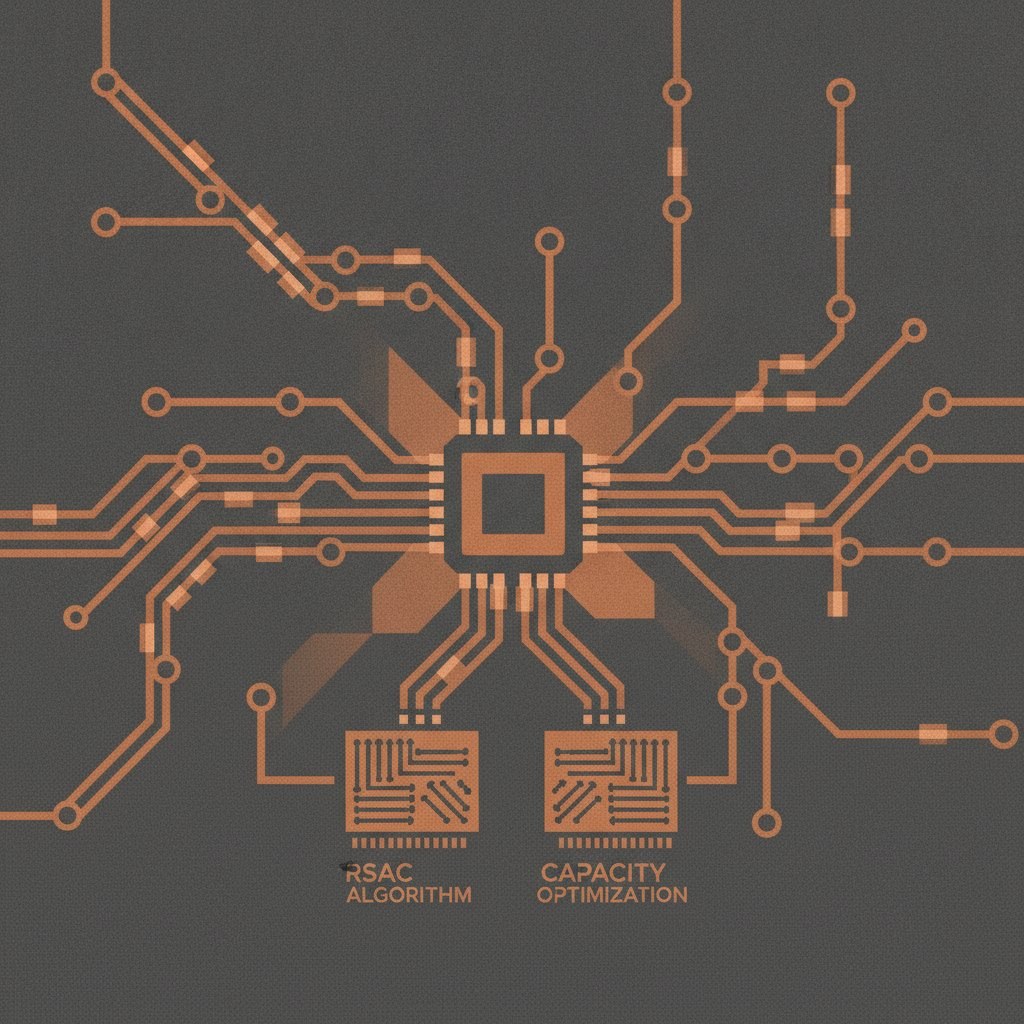
Modern metropolises have hit a logistical dead end where traditional dispatching algorithms and human error have finally admitted defeat. Rigid schedules fail to account for real-time train inertia, braking delays, and track wear. A research group led by Professor Masafumi Miyatake at Sophia University has proposed a radical shift: moving from "railway fatalism" to dynamic neural network management based on the Recurrent Soft Actor-Critic (RSAC) algorithm.
The core of the work by Miyatake and his colleague Mingyu Liu lies in using recurrent neural networks that, unlike standard methods, "remember" the history of braking and traction response. This isn't just another cruise control add-on; it is a tool for optimizing Total Cost of Ownership (TCO). Precision AI regulation addresses a triad of issues: it reduces peak loads on power grids, minimizes infrastructure wear, and allows for shorter headways without the massive capital expenditure of laying new tracks. Essentially, we are learning to squeeze the maximum value out of the hardware already in the ground.
Key takeaways:
Implementing RSAC architecture to adapt to the non-linear dynamics of train movement. Lowering operational expenditures (OPEX) by optimizing energy consumption and mechanical wear. Increasing train frequency on existing infrastructure without physical expansion.
The system is built on a hybrid approach. As Masafumi Miyatake explained, the neural network was first trained on the driving patterns of human experts before moving on to autonomous trial-and-error learning.
To prevent the algorithm from getting "creative" with safety, a rigid filter is integrated into the system: it blocks any commands that contradict speed limits or technical braking capabilities.
The results, published in IEEE Access, confirm that the adaptability of RSAC allows the system to ignore external noise and deliver stable performance where standard Deep Reinforcement Learning (RL) fails due to environmental complexity.
For transit operators, this is a signal for a paradigm shift. Investing in AI-driven dispatching isn't about "digitalization for the sake of digitalization"; it's about expanding the capacity of a network that has physically reached its limit. When expanding tunnels costs billions, software becomes the only remaining lever for efficiency, turning legacy infrastructure into a flexible, cost-effective asset.