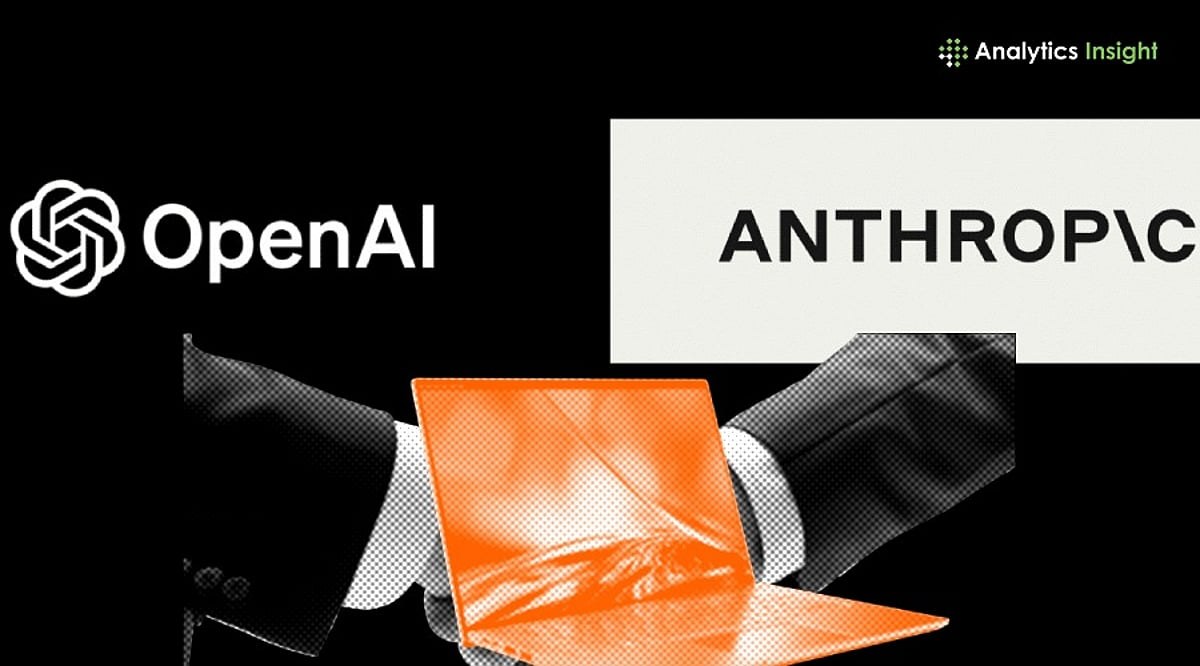
The era of 'pure-play' model providers—those content with merely selling API access—is rapidly coming to a close. Market leaders OpenAI and Anthropic are no longer satisfied with being the 'engine' in someone else’s vehicle. Their new objective is total operational control and a direct takeover of the enterprise services market.
Reports from Analytics Insight suggest that AI giants, backed by private equity, have launched an aggressive acquisition campaign to snap up consulting and service firms. This move is methodically cutting traditional intermediaries out of the value chain. OpenAI has already established a dedicated vehicle, The Deployment Company, supported by heavyweights like TPG, Bain Capital, and Brookfield Asset Management. Anthropic is moving with equal resolve, leveraging resources from Blackstone, Hellman & Friedman, and Goldman Sachs. According to Reuters, Sam Altman’s firm is already in talks to acquire three potential targets. The shift from selling tokens to implementing full-scale business transformations is now a matter of strategic survival for these vendors.
This vertical integration is a direct hit to the Indian IT outsourcing sector. Giants such as TCS, Infosys, Wipro, and HCLTech have flourished for decades on a business model built on massive headcounts and billable hours. However, by taking direct control over the implementation of their neural networks, OpenAI and Anthropic are positioned to automate the very routines—testing, support, and basic development—that sustain these multi-billion dollar contracts. This new vendor playbook mirrors the Palantir strategy: combining software with hands-on operational support in the field. While outsourcers try to save face by pivoting to AI ethics and cybersecurity, their primary technology partners are becoming their most dangerous competitors for high-margin contracts.
The logic behind this 'service cannibalism' is clear: vendors want to accelerate ROI for enterprise clients by removing the friction and costs associated with third-party consultants. By controlling the deployment phase, LLM developers ensure their models are deeply integrated into a client’s business processes without the delays typical of external projects. For the enterprise customer, the risk is obvious: total lock-in to a single ecosystem that provides both the technological 'brains' and the 'hands' to configure them.
Private equity is acting as the fuel for this consolidation, allowing AI developers to rapidly acquire human expertise. Corporate leadership now faces a stark choice: continue paying for armies of outsourced consultants or hand over their IT infrastructure directly to the model creators. In the new hierarchy, the service intermediary is looking more like a costly relic of the past.