AI · This text was generated with artificial intelligence
The wearable AI market currently resembles a high-tech hearing aid convention. Startups like Plaud, Bee, and Friend are racing to record, transcribe, and store every word you say, effectively turning humans into walking data collection sensors. However, the era of passive observation is coming to an end. We are shifting from traditional human-computer interaction toward the direct management of autonomous agents.
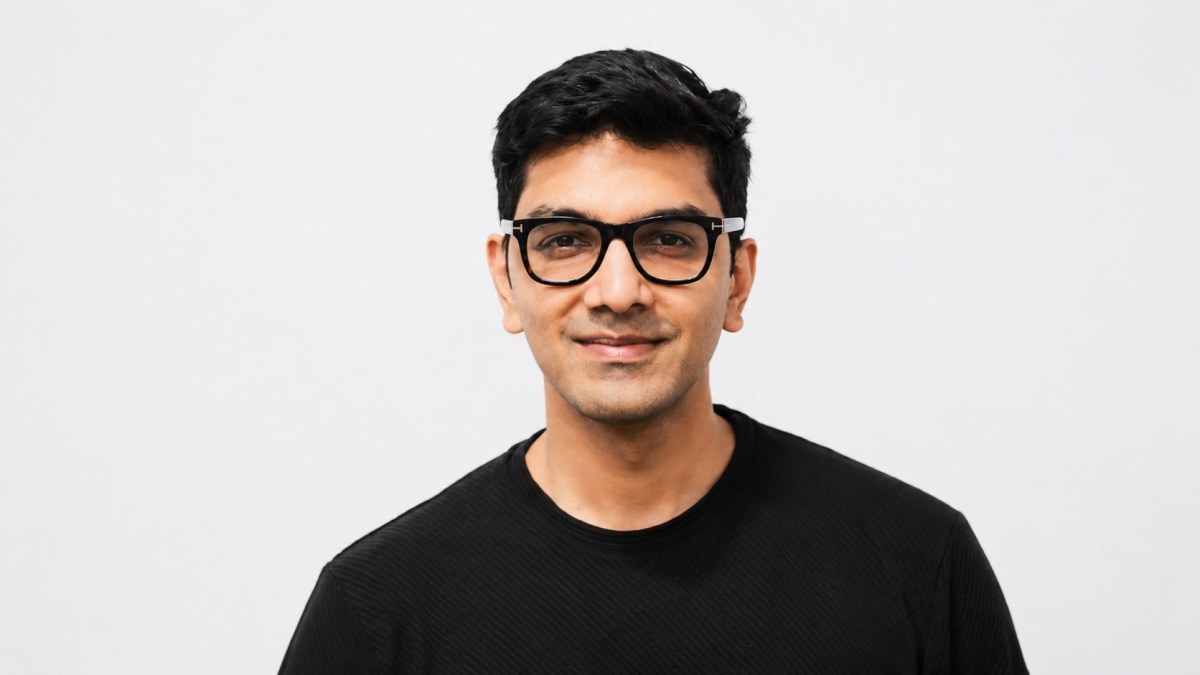
Bangalore-based Aina, led by Apoorv Shankar, has decided to break away from this cult of "context capture." Having raised $5.5 million, the team is building a hardware foundation where action takes precedence over record-keeping. Shankar, formerly the VP of Hardware at Ultrahuman, is clearly underwhelmed by the impotence of interfaces like the Rabbit R1 or the Humane Pin. In his view, the industry is stuck in a "smart voice recorder" phase, while the market actually needs physical bridges to trigger autonomous workflows.
From Sensing Pendants to Action Models
Aina’s strategy stems from a simple realization: modern AI software is already capable of executing tasks, but users lack a convenient tool to control it. The company's flagship device, the Dune, is a context-aware controller featuring three physical buttons. This isn't just a presentation remote; it is an agent management tool whose functions shift depending on the active application. While Meta Ray-Bans attempt to shove AI into your field of vision and smart rings measure your pulse, Aina is betting on the tactile necessity of script activation.
During testing, the startup experimented with various form factors:
The Radiance desktop console; The Shift universal button; The Dune specialized keypad.
They discovered that users value automation over simple remote control. By merging these insights into a single device, Aina is attempting to create a functional tool for office professionals rather than another digital trinket destined to gather dust in a drawer a week after purchase.
The Infrastructure of Autonomy
The $5.5 million investment round was led by Redstart Labs and 360 ONE, with participation from heavyweights like Kunal Shah and the founders of Razorpay. For a small player, this is a significant war chest, especially considering the competition: Meta and Apple, who control the operating systems themselves. However, Shankar’s experience at LazyCo and Ultrahuman suggests that the winning form factor might not be an attempt to replace the smartphone, but rather a dedicated physical interface for specific tasks.
While wearables try to become our eyes and ears, the arms race is returning to our fingertips.
As Rabbit continues its painful search for a reason to exist, Aina is banking on the idea that three buttons and smart software will prove more effective than the cumbersome ecosystems of the giants. Whether this controller becomes a staple of the corporate sector or remains a niche gadget for enthusiasts is still an open question. But the attempt to turn AI from a passive listener into an executive assistant looks far more promising than yet another gadget designed to record office gossip.