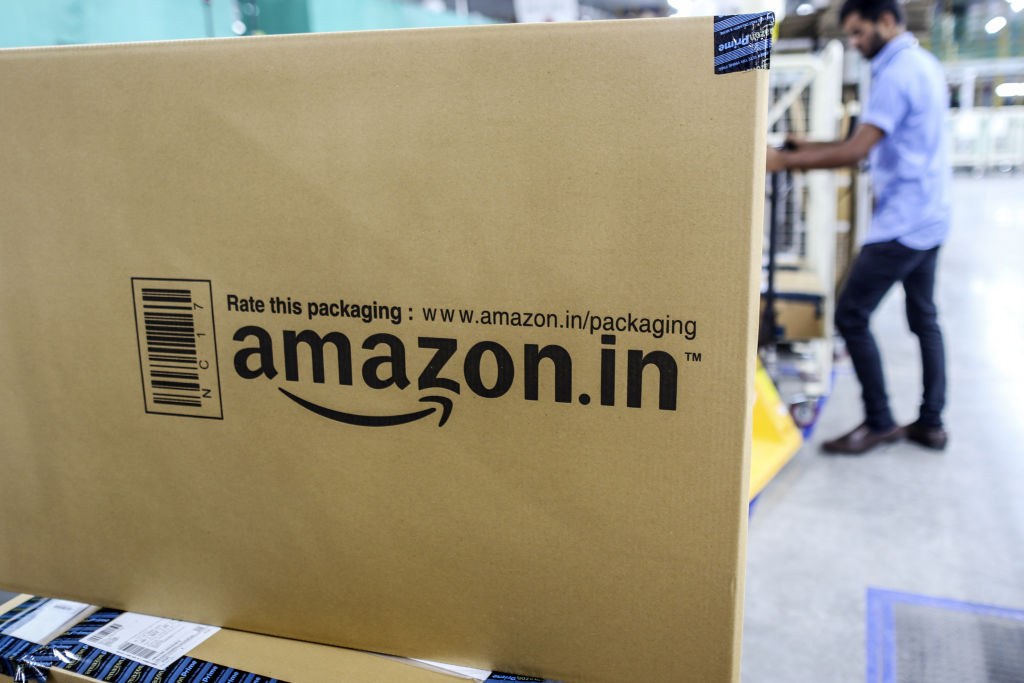
Andy Jassy is definitively transforming Amazon into a geopolitical powerhouse, one where national borders matter less than access to cheap energy and regulatory favor. The announced $13 billion investment to expand AWS in Mumbai and Hyderabad by 2030 is not merely a gesture toward "digitalization"; it is a pragmatic land grab of a strategic beachhead. Faced with power shortages and tightening regulations in the US and Europe, India is emerging as the ideal hub for global neural network inference.
Jassy’s direct negotiations with Narendra Modi underscore a new status for Big Tech: these companies now act as guarantors of digital autonomy for developing economies in exchange for uncontested market dominance. Amazon’s total commitment in the country has already ballooned to $48 billion. This sends a clear signal to the business community: the center of gravity for computing is shifting East. Over the next decade, the cost of your access to GPU clusters will be determined not just by algorithmic efficiency, but by the strength of political alliances between Seattle and New Delhi.
Key AWS Expansion Takeaways
Amazon plans to invest $12.7 billion in India’s cloud infrastructure by 2030. The company’s cumulative investment in the Indian economy will reach a record $48 billion. The goal is to establish the region’s largest hub for servicing global AI model requests.
In this race for computational sovereignty, the winner won't be the one with the flashiest press release, but the one who can deploy physical infrastructure faster than bureaucracy and power grid deficits can drain their budgets.
Amazon is not alone in its quest to court local authorities. According to TechCrunch, Microsoft has already pledged $17.5 billion by 2029, while Google has allocated $15 billion for its own AI center. The Indian government is skillfully orchestrating this competition, stoking interest with tax incentives for those willing to serve international workloads from local servers. Alongside its cloud dominance, Amazon is aggressively scaling its logistics, planning over 20 new fulfillment centers and expanding its Amazon Now delivery service to 300 cities in an attempt to undercut Blinkit and the Walmart-owned giant Flipkart.
However, these massive figures warrant a healthy dose of skepticism. AWS delicately notes that these multi-billion dollar sums include not just server racks, but operating expenses projected years into the future. The execution of these plans will reveal whether India becomes the world’s new "computational workshop" or founders under the weight of infrastructure costs.