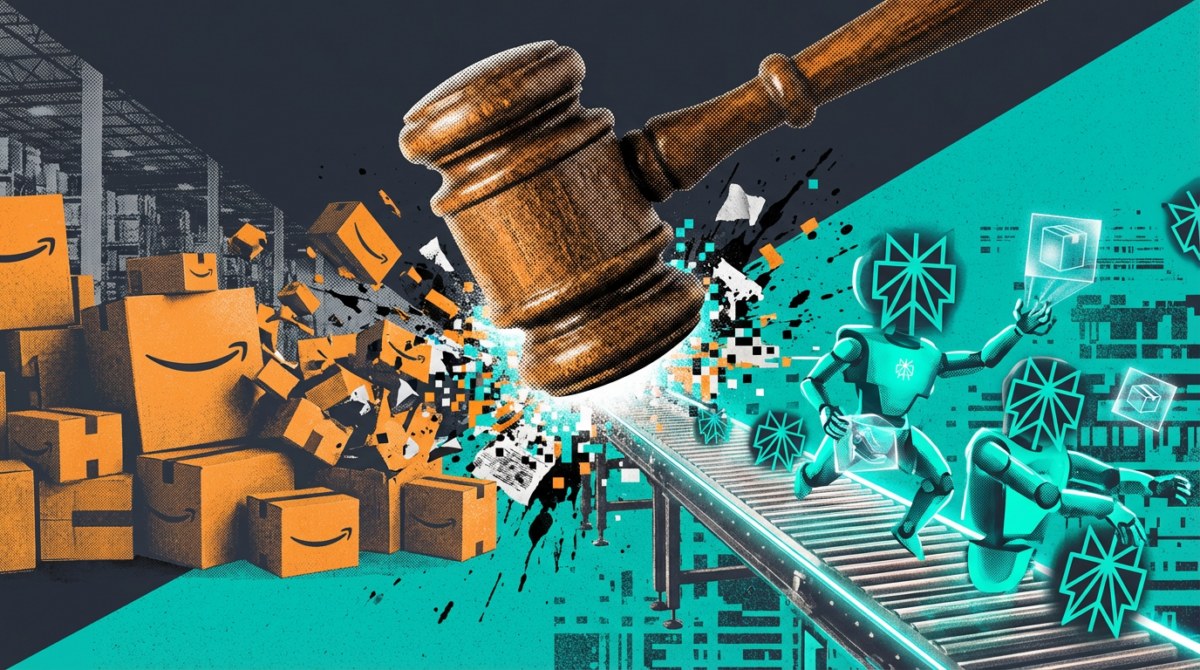
The 9th US Circuit Court of Appeals has just handed a massive tactical win to the burgeoning agentic economy. By overturning a preliminary injunction that barred Perplexity from deploying AI shopping agents on Amazon, the court didn't just side with a startup; it redefined the digital 'middleman.' This ruling is the first time a federal appeals court has tackled the legality of AI systems acting as proxies for human intent, and the results are a wake-up call for every closed marketplace.
At the heart of the dispute is the Computer Fraud and Abuse Act (CFAA), which platforms usually wield like a sledgehammer to crush third-party automation. Amazon’s legal team argued that Perplexity’s Comet browser and AI agents were essentially intruders, covertly trespassing into private customer accounts. However, the court’s logic hinges on attribution: if a user grants permission to an agent, that agent effectively *is* the user. This distinction moves AI agents out of the 'hacker' category and into the role of a legitimate digital assistant, stripping platforms of their favorite legal weapon against unwelcome automation.
While Amazon’s lawsuit—filed last November—continues to crawl through the system, the lifting of the injunction establishes a critical precedent. As Jesse Dwyer of Perplexity framed it, this is a fight for the user’s right to choose their interface. For Amazon, it’s a nightmare scenario where a third-party 'layer' can strip away their carefully managed user experience and data monopoly. The court effectively ruled that a platform’s lack of authorization might be irrelevant if the user themselves provides the keys to the agent.
Business leaders and AI architects should treat this as a signal to overhaul their terms of service. Relying on federal computer fraud law to block automation is no longer a guaranteed defense. If your business model depends on keeping third-party agents out of your data silos, you are now on the wrong side of the legal trend. The era of the autonomous 'bypass' has officially received its first stamp of approval from the federal judiciary.