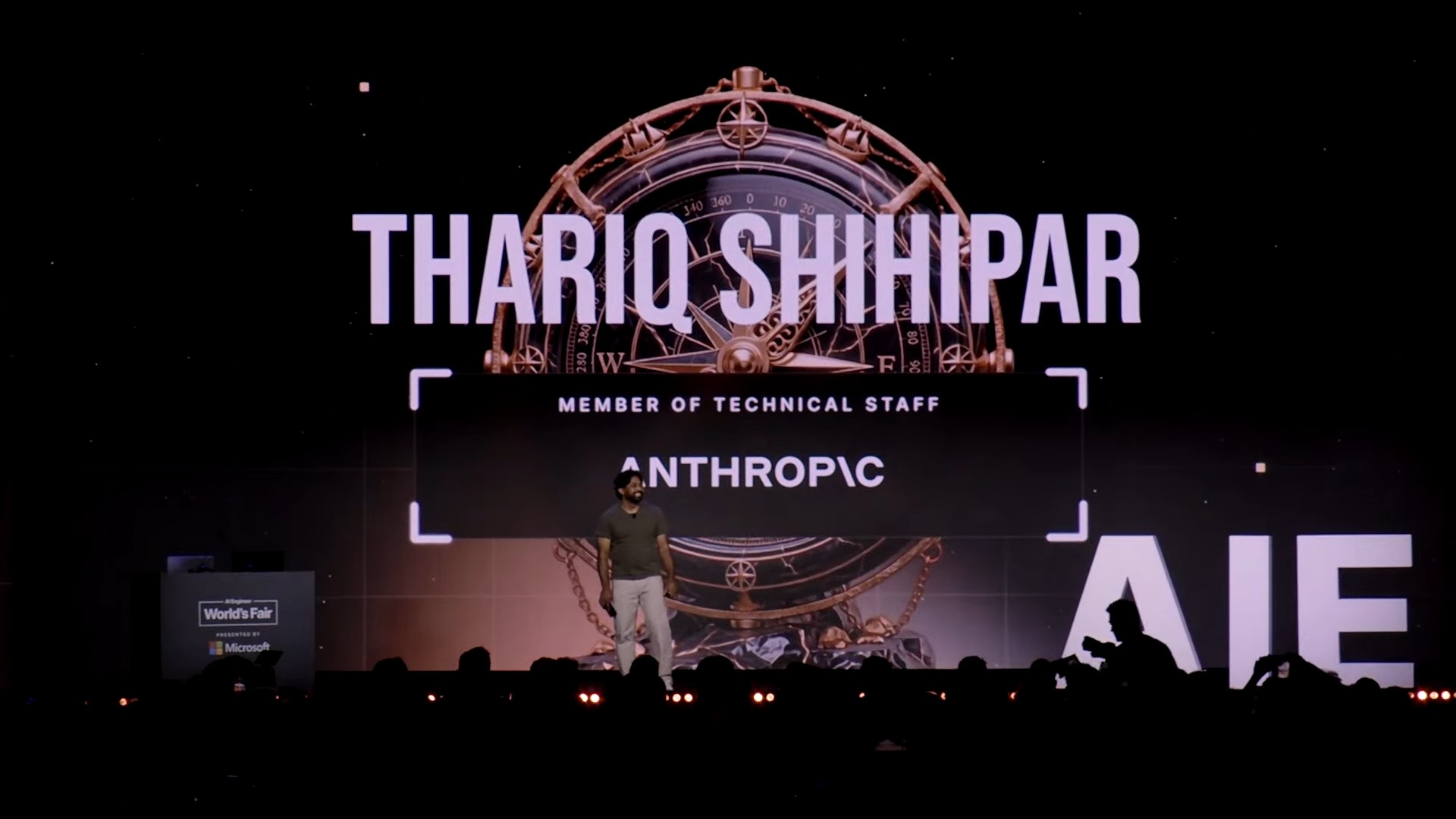
The era of the "AI whisperer" is fading faster than most people could master the dubious skill. Anthropic has radically overhauled its AI management strategy, cutting Claude Code's system prompt by an impressive 80%. As company engineer Tariq Shihiphar reported, the new architecture of Mythos-class models (Fable 5) no longer requires multi-page manuals filled with examples. On the contrary, excessive instructions now act as a bottleneck.
Neural network evolution has proven to be cyclical. While the industry's early days required rigid guardrails of examples and prohibitions, the situation has flipped 180 degrees as "intelligence" has grown. According to Shihiphar, human attempts to force fixed templates on Claude only restrict the model’s capabilities—modern systems prove far more inventive than the scenarios developers try to script for them.
Instead of blunt "don't do this" commands, Anthropic is shifting toward management via deep context, allowing the model to construct its own reasoning logic.
For tech leads and business owners, this is a signal of a paradigm shift: traditional prompt engineering is becoming a relic of the past. The effectiveness of autonomous agent deployment now depends not on the length of text guides, but on data hygiene and the quality of the environment in which the model is embedded.
Key Takeaways
Efficiency is determined by the quality of the knowledge infrastructure, not the complexity of the query. Redundant instructions decrease the performance of modern models. The future of AI management lies in data ecosystem tuning rather than exercises in creative writing.