AI · This text was generated with artificial intelligence
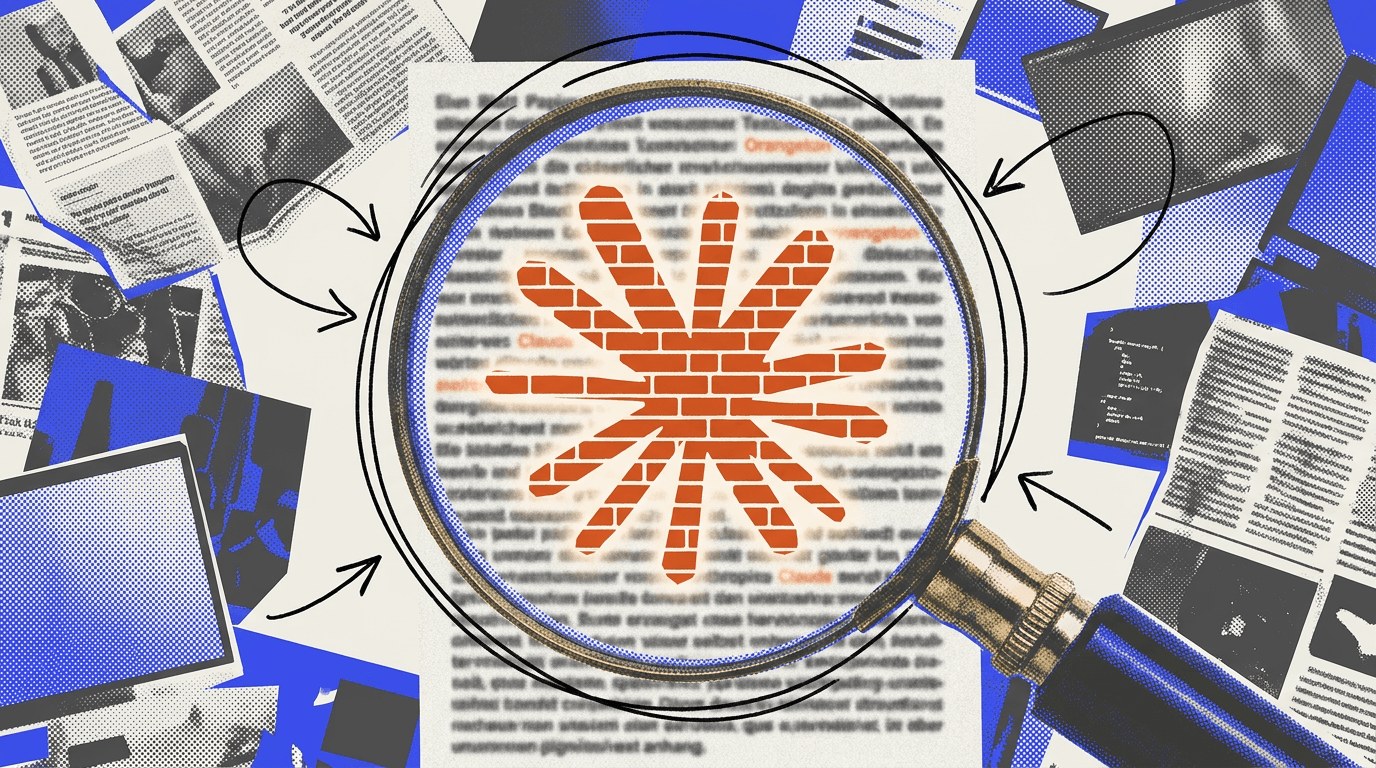
Anthropic has rolled out a watermark verification API, allowing approved organizations to identify whether arbitrary text was generated by Claude. Driven directly by the EU AI Act's synthetic content transparency mandates in effect since August 2025, the release transforms model attribution from an abstract safety research exercise into an enforceable corporate audit mechanism. Access is currently gated for regulators, researchers, media organizations, and enterprise compliance teams, with broader availability slated for subsequent phases.
Technically, the system adapts Google's SynthID framework, subtly biasing token selection probabilities during generation to embed a statistically verifiable signature. Anthropic claims this fingerprint resists moderate paraphrasing, contains zero user metadata, and leaves semantic output quality intact—though independent practitioners remain skeptical about whether constrained token selection genuinely avoids subtle degradation.
For enterprise leaders, this API introduces immediate operational friction across automated documentation and content pipelines. As legal industry observers have highlighted, definitive watermark verification complicates client billing and exposes liability in contracts that explicitly prohibit generative AI drafting. Compliance verification will no longer rely on brittle heuristic detectors; enterprise pipelines now face deterministic provenance tracking whether their operational workflows are prepared for it or not.