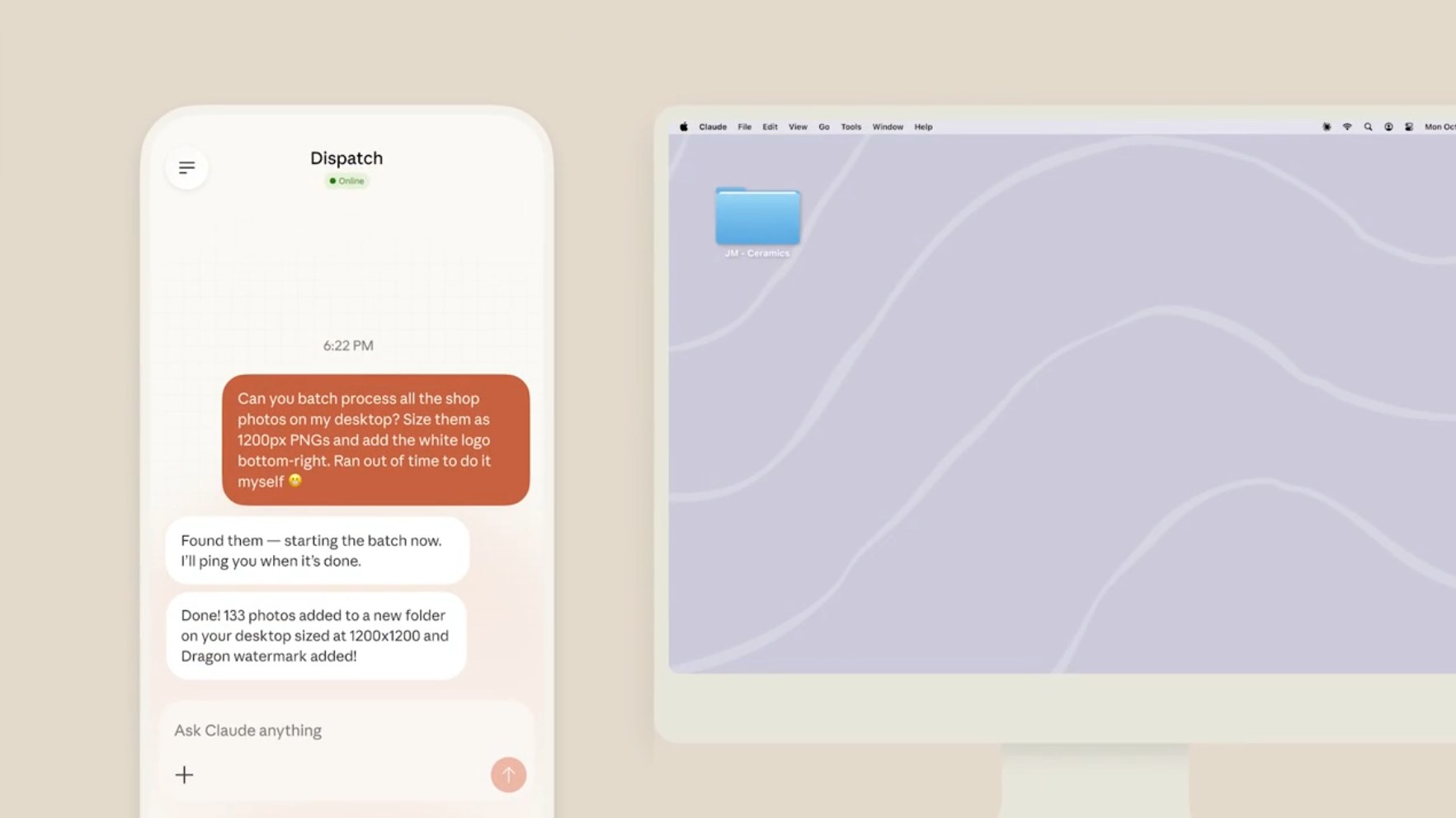
Anthropic is positioning its AI assistant Claude as more than just a conversational tool. Recent updates to Claude Cowork and Claude Code, currently in research preview, grant the AI direct access to Mac and Windows computers. This signifies a shift from Claude merely generating text to actively launching applications, navigating networks, and manipulating data within spreadsheets. Claude is transitioning from an assistant role to directly managing your digital environment.
This significant development was accelerated by Anthropic's acquisition of Vercept AI, a startup focused on AI-driven PC management. The integration of Kiana Ehsani's team was completed in just four weeks, underscoring the rapid pace of innovation in the AI industry. Anthropic is actively seeking to embed its solutions directly into clients' operational processes, bypassing traditional APIs. If a pre-built integration is not available, Claude is designed to take direct control of the user's desktop.
However, granting AI access to an entire digital life raises paramount security and control concerns. The reliability of such an AI "manager" in real business processes remains to be seen. Questions arise about data privacy when an AI has access not only to browsers but also to the operating system. OpenAI's previous attempts with ChatGPT agents highlighted the challenges in developing sophisticated AI control, and providing full OS access creates a substantial "attack surface." The potential consequences could include reputational damage and widespread data breaches. It remains unclear if Anthropic has fully accounted for these risks.
For CEOs considering the implementation of Claude's "full control" capabilities, it is crucial to budget not only for subscription costs but also for external cybersecurity audits. This represents a move beyond simple chatbot interactions to handing over operational functions to AI. Before allowing these AI "managers" access to corporate data, a thorough risk assessment and a realistic evaluation of the return on investment are essential. Anthropic is repositioning AI from a "helper" to an "executor," opening new avenues for business automation while simultaneously demanding the creation of robust, new security protocols. It is likely that CEOs planning to issue new instructions for Claude are also reviewing their cybersecurity audit needs. While data can be managed, data security presents a significant challenge.
Anthropic's move to give Claude direct control over user desktops represents a significant leap in AI capabilities. The potential for enhanced productivity and automation is clear, but the associated security risks are equally profound. Businesses must approach this transition with extreme caution, prioritizing security protocols and comprehensive risk assessments before embracing AI as a direct operator of their digital infrastructure.