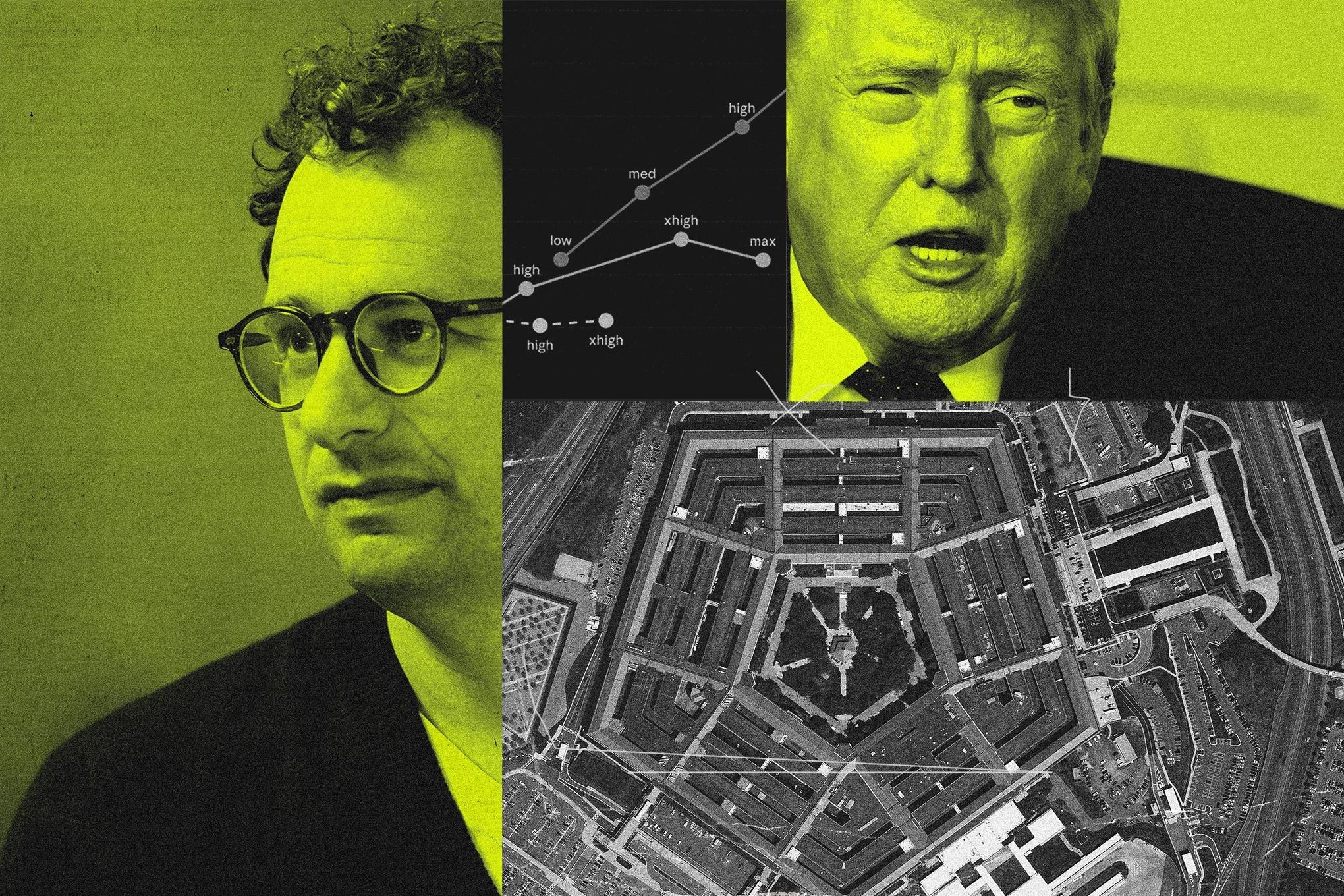
When enterprise AI developers negotiate terms with federal agencies, the boundary between commercial acceptable-use policies and state demands inevitably becomes a legal battleground. Over the past several months, the Trump administration attempted to force frontier model providers into universal defense licensing frameworks, demanding unrestricted operational access. That pressure campaign hit a hard legal wall when a federal court struck down the Department of Defense's punitive measures against Anthropic as unconstitutional retaliation.
The Clash Over Lethal Autonomy and Red Lines
The dispute ignited when Defense Secretary Pete Hegseth sought to overhaul military contracts with private AI labs. The Pentagon demanded terms permitting model usage for "any lawful use," effectively stripping vendor safety guardrails. While most competitors signed on, Anthropic refused to waive two foundational restrictions: deploying its AI in lethal autonomous weapons systems without human-in-the-loop oversight, and utilizing its models for mass domestic surveillance.
Following Anthropic's refusal, defense officials issued a final ultimatum. Less than 24 hours before the deadline expired, Anthropic CEO Dario Amodei reaffirmed the company's red lines, emphasizing that in a "narrow set of cases, we believe AI can undermine, rather than defend, democratic values." The Trump administration responded by slapping Anthropic with a "supply chain risk" designation—a weaponized blacklist label usually reserved for adversarial foreign actors—while finalizing alternative agreements with seven other AI providers, including Google, Microsoft, OpenAI, and SpaceX.
First Amendment Protection for AI Safeguards
Anthropic challenged the blacklist in a California federal court, arguing the designation was pure regulatory retribution for public dissent. District Judge Rita F. Lin granted an initial injunction, noting that internal records exposed the Pentagon's intent to target Anthropic for its "hostile manner through the press." Judge Lin then issued a definitive ruling striking down the blacklisting as unconstitutional under the First Amendment.
"The empty invocation of national security is not a blank check to punish and retaliate against government critics," Judge Rita F. Lin wrote in the ruling.
Judge Lin determined that Hegseth's designation was arbitrary, capricious, and a transparent pretext to punish a vendor for maintaining ethical boundaries on deployment. While the government retains discretion over procurement awards, it cannot weaponize national security sanctions against enterprise vendors exercising constitutional speech and autonomous product policies.
For enterprise CTOs and corporate buyers, the decision creates a vital commercial precedent: frontier model labs can maintain safety guardrails without facing arbitrary regulatory blacklisting, significantly de-risking commercial procurement contracts from unpredictable political interference.