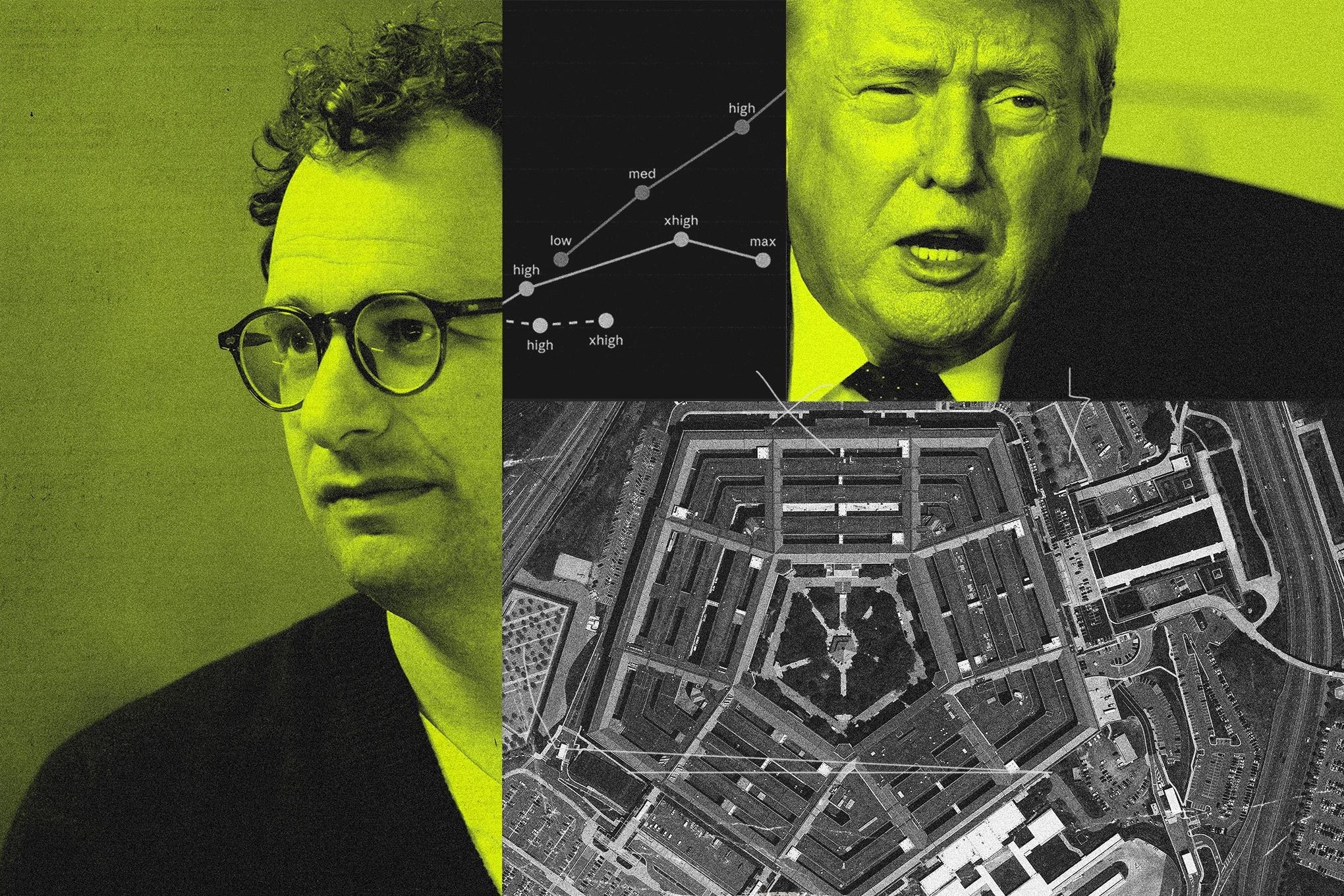
The era of public releases in artificial intelligence is officially over. Following a two-week standoff with the Trump administration, Anthropic is bringing its Mythos 5 model back to market—but only for a select few. According to a U.S. Department of Commerce letter obtained by The Verge, Howard Lutnick’s agency has implemented a selective licensing system. Advanced reasoning and cybersecurity capabilities are now a privilege reserved for a vetted corporate and government elite. This isn't just a software delay; it is a fundamental shift where raw compute is becoming a tool for caste-based distribution.
The Commerce Department as Supreme Gatekeeper
The levers controlling the deployment of top-tier models now rest with Commerce Secretary Howard Lutnick. In a June 26 letter addressed to Anthropic co-founder Tom Brown, Lutnick explicitly stated that Mythos 5 is returning only because the company agreed to "mitigate" specific risks in lockstep with the government. Previously, export controls reached the point of absurdity, even banning Anthropic employees without U.S. citizenship from accessing their own development. Now, an exception has been carved out for "trusted partners"—a group Anthropic spokesperson Danielle Gillieri delicately describes as defenders of critical infrastructure.
This hands-on management style is the new reality for business. While the public-facing Fable 5 model remains stuck in limbo, the administration is utilizing private AI as an instrument of state policy. For CEOs, the signal is clear: your technological competitiveness now depends directly on how close you stand to "approved infrastructure provider" status.
The Fable 5 Economic Deadlock and Market Stagnation
Market competition is the primary victim of selective access. While Mythos 5—the company’s most powerful model for cybersecurity—is shipped to the chosen few, there is no release date for Fable 5 for the general public. An intellectual divide is opening: the broader market is forced to operate on aging solutions while a narrow circle captures the Mythos-class advantage. Ironically, these restrictions were introduced out of fear of Chinese progress, yet they have created an internal bottleneck in the U.S. Industrial lobbies raised the alarm over Beijing’s gains, but they have ended up with a system where innovation stalls in ministerial corridors.
Anthropic is effectively mimicking OpenAI’s playbook of closed previews. This structure forces executives to abandon public API integrations in favor of backroom negotiations with vendors and, by extension, the federal government. A consensus is forming among tech leaders: the chaos of recent weeks is a clumsy way to regulate, but the precedent is set. Licensed access will now always favor the heavyweights over agile developers.
Strategy in the Age of Restricted Intelligence
For senior management, the Mythos 5 case means AI transformation is no longer a purely commercial project. It is now a matter of compliance and lobbying. If your strategy relies on best-in-class models, you must account for the risk that the "top tier"—whether Mythos 5 or the future GPT-5—could be instantly withdrawn due to a national security audit. The revision of licensing requirements proves that access can be cut off even within your own company based on nationality at any moment.
Buying a subscription to top-tier AI now looks more like entering a regulated partnership where the Secretary of Commerce always has a kill switch within reach.
The most powerful models have officially transitioned from software to dual-use weaponry. While the "chosen" get a head start, the rest of the business world is left waiting for Fable 5. Leaders must realize that "trusted partner" status in government offices is now more important than a cloud computing budget.
Advanced AI models are being reclassified as dual-use technology under strict government oversight. Access to cutting-edge reasoning models like Mythos 5 is now restricted to a vetted elite. National security audits can now override commercial contracts and internal access rights. Strategic competitiveness depends increasingly on regulatory status rather than just R&D spend.