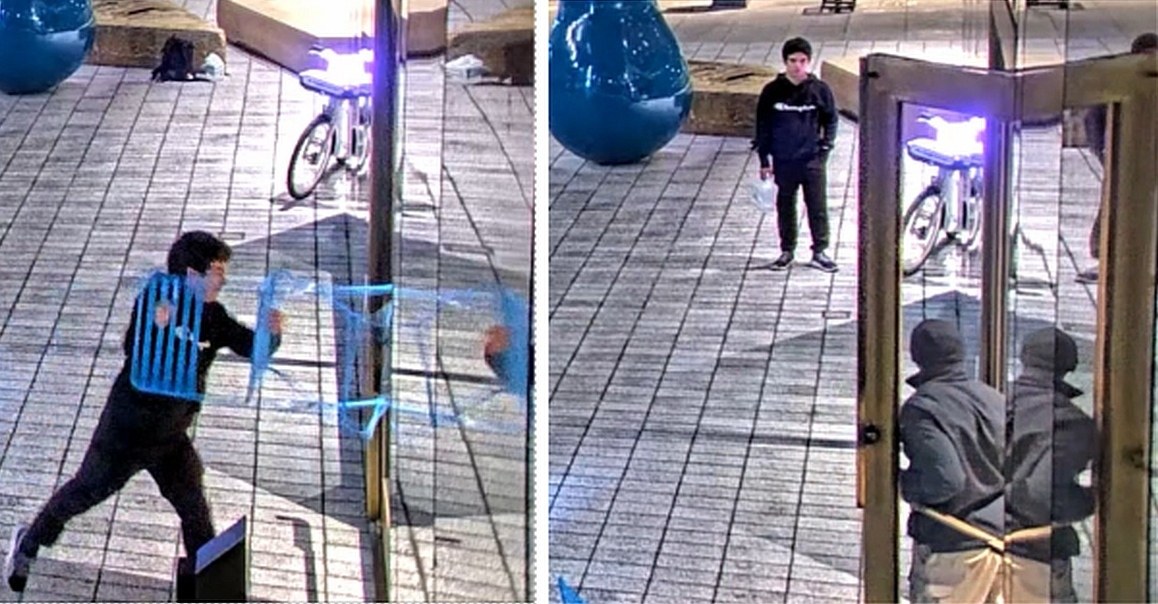
Daniel Moreno-Gama appears to believe that arson is the best way to combat progress. The Texas resident traveled to California not for leisure, but with the apparent intention of setting fire to Sam Altman's home and OpenAI's headquarters. According to investigators, his arsenal included not only incendiary devices and a can of kerosene, but also a firearm. Law enforcement, to their credit, acted swiftly.
Moreno-Gama's motivation is a story in itself. In a document titled "Your Final Warning," Moreno-Gama launched into an angry tirade against AI, labeling Altman as an "example" for those who, apparently, also dream of "killing or attempting to kill" industry leaders. This manifesto, sent via email, also contained unambiguous hints regarding the addresses and names of top executives at AI corporations and their investors. It seems that a radical rejection of technology is the latest fashionable hobby.
Moreno-Gama now faces prison sentences: up to 20 years for attempted arson with the use of explosives and up to 10 years for illegal possession of a weapon. As absurd as his actions may seem, they mirror a growing anxiety and aggression in certain circles towards rapidly advancing AI.
Why this is worth your attention: While some debate the ethics of neural networks, others are choosing to solve problems with fire. Technology leaders, especially in the AI sector, risk moving beyond mere criticism and becoming targets. This could not only increase security costs but also dampen investor enthusiasm, who may fear their investments could go up in smoke along with data centers. The unimpeded development of the industry is under threat, and this is no longer about hypothetical fears but about tangible dangers.
This incident highlights a dangerous escalation where ideological opposition to AI is manifesting as direct threats to individuals and infrastructure. For businesses operating at the forefront of AI development, the imperative now is to reassess security protocols and risk management strategies, as the abstract concerns of AI ethics are increasingly colliding with the harsh realities of physical security. The future of AI innovation may depend on how effectively the industry can safeguard itself from such radical opposition.