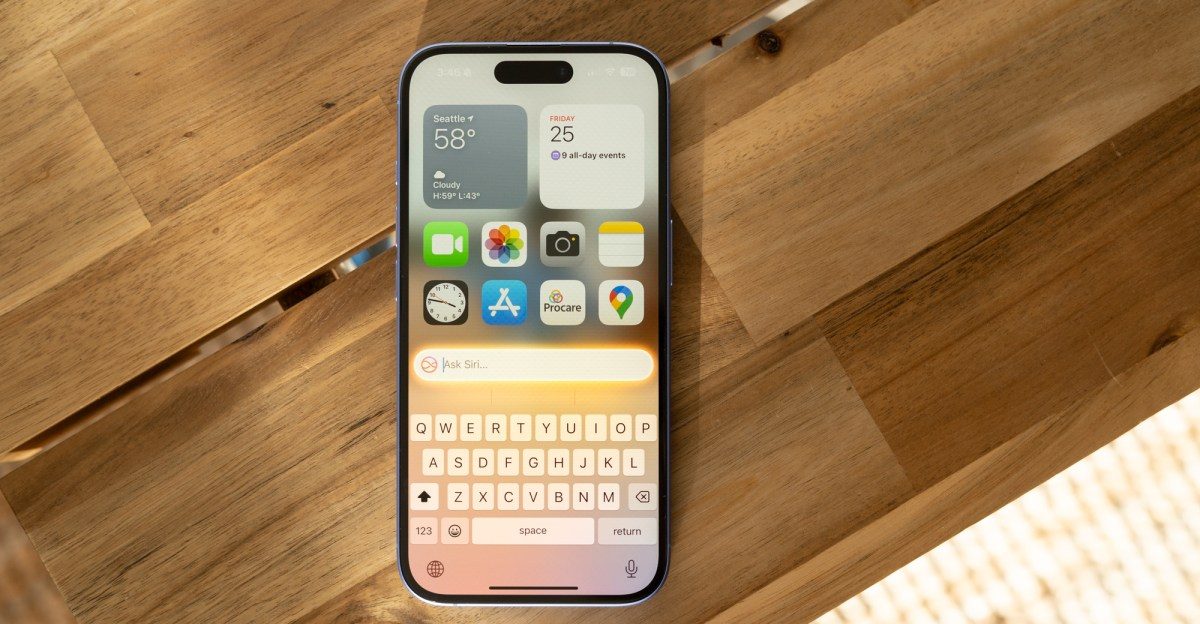
Apple will launch Apple Intelligence in China with iOS 27.3, as announced on the company's Chinese newsroom website. On August 14, 2026, Apple finalized its Alibaba-tethered AI model for the region, setting the stage for an initial iOS 27.3 beta deployment targeting the Chinese market on November 4th, followed by a full release in December.
This deployment strategy represents a forced regulatory compromise designed to protect market share in the premium smartphone tier. Apple Intelligence secured regulatory approval in China in July, signaling the imminent rollout of local AI tools. As Reuters reported in August, Apple trained a distinct large language model specifically for China to clear these regulatory hurdles.
Architecture and Local Partnerships
The initial rollout excludes the new Siri AI entirely. Instead, the deployment relies on core foundational features such as notification summaries, real-time translation, rewriting and proofreading tools, visual intelligence, and photo object removal. To execute these local experiences, Apple partnered with Alibaba to integrate its Qwen chatbot, mirroring iOS integrations with OpenAI's ChatGPT established in 2024.
Apple also stated it has worked with Alibaba to add support for its Qwen chatbot in select user experiences
This architectural design shifts operational reliance directly onto domestic infrastructure providers, altering the unit economics of software distribution in the region. By tying local large language model execution to Alibaba's infrastructure, Apple secures regulatory compliance at the cost of shared ecosystem control and predictable operational margins.
Market Realities and Strategic Exposure
Deploying an AI suite without the new Siri AI exposes Apple to severe competitive friction against domestic hardware vendors offering complete proprietary ecosystems. While regulatory approval in July cleared the technical path, consumer adoption of a fragmented feature set remains unverified.
Will Chinese consumers adopt an AI suite that lacks the new Siri and relies on localized features?
What it means
While Apple kept tight reins on its software ecosystem globally, in China it had to hand over core compute to Alibaba’s infrastructure to defend the business that brought in $20.5 billion in second-quarter sales. Shipping a regional model stripped of the upgraded Siri assistant underscores the steep price of local compliance. In effect, Apple trades away its usual software margins to third-party servers just to avoid losing the premium hardware tier to homegrown rivals. Will Chinese buyers actually stick with Apple in December for basic notification summaries and Alibaba's Qwen chatbot while the new Siri AI remains entirely missing?
Our stories: Apple Partners with Alibaba and Baidu for AI in China (July 16); Apple Builds Alibaba-Tethered AI Model for China (August 14).