Apple is officially preparing to monetize its AI efforts by integrating Apple Intelligence features into the iCloud Plus subscription hierarchy.
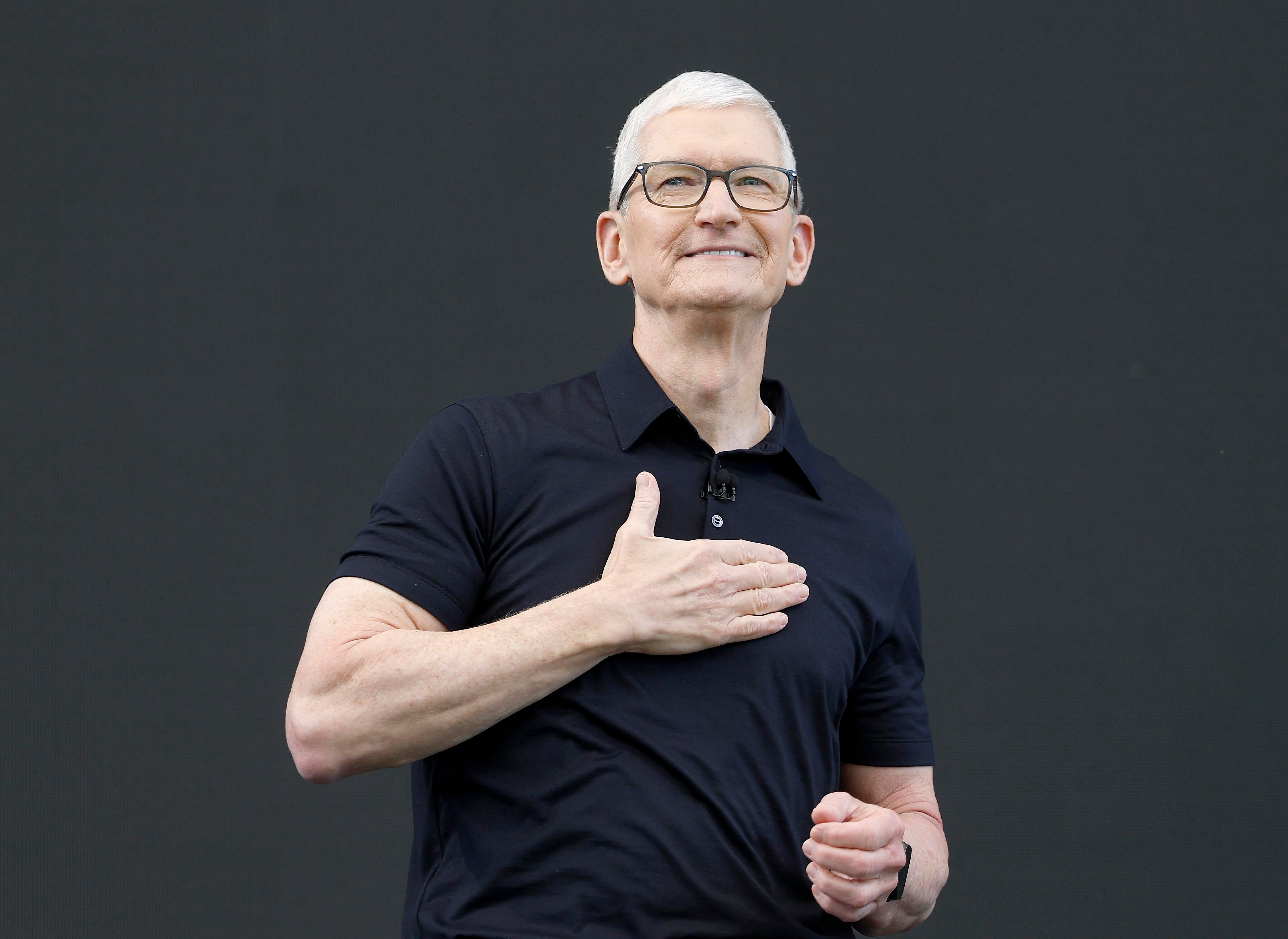
CEO Tim Cook confirmed during a recent earnings call that the company will offer users "upgrade opportunities within iCloud Plus," essentially allowing them to purchase more computing power as they move up the service stack.
This maneuver marks Apple’s definitive pivot from traditional hardware sales toward a recurring revenue strategy centered on cloud-based inference.
Strategic context
This commercial shift is driven less by ambition and more by rigid technological constraints. Back in June, Apple acknowledged that image generation and complex queries would be subject to limits due to the massive load on servers. With the launch of the revamped Siri in iOS 18 (and subsequently in iOS 18.1–18.2), the assistant will gain the ability to understand on-screen context and perform actions within apps. To avoid the operational cost trap that typically erodes margins in AI projects, Apple is shifting the financial burden onto its power users.
The "buy up the stack" strategy is an attempt to convert free interest in Apple Intelligence into premium subscriptions. By tethering AI access to storage tiers and service utilities, Apple is establishing a new monetization standard for personal agents.
With its services division already generating $30.74 billion in revenue, the company is using AI as the primary engine to further expand margins, turning yesterday’s device feature into today’s paid cloud service.
The bottom line
The only question is whether users will take the bait. Siri’s capabilities were previously positioned as core iPhone functionality; now, a smarter assistant comes with a monthly tax. Apple is effectively testing price elasticity: whether an advanced AI interface is a strong enough incentive for users to voluntarily increase their spending in favor of Cook’s service infrastructure.