AI · This text was generated with artificial intelligence
The public discourse on powering artificial intelligence fixates on generation capacity, reflexively demanding more gas turbines, solar arrays, and high-voltage transmission lines. That focus misses the point. Recent cascading failures in premier computing hubs demonstrate that the primary vulnerability lies in distribution architecture and local protection physics, not raw supply deficits. In 2024, a single malfunctioning surge arrester in Northern Virginia abruptly dropped roughly 60 facilities and 1,500 megawatts of demand. On July 22, 2026, a transmission line fault in Ashburn instantly dumped more than 3 gigawatts of critical load.
Legacy grids were built for industrial customers with predictable inertia and tolerant recovery curves. Hyperscale AI clusters behave entirely differently: synchronized model training runs can swing 70% of total electrical load within milliseconds, only to trip offline instantly when safety thresholds are breached. During the 2024 Virginia incident, the vast majority of dropped load stemmed from identical protective firmware configured to disconnect after detecting three consecutive voltage dips. When uniform software rules govern gigawatt-scale infrastructure, minor sub-cycle transients trigger catastrophic, simultaneous disconnections across entire data center corridors.
Moving Protection Up the Voltage Stack
Standard data center power architectures step incoming medium-voltage power down to low voltage, routing it through localized uninterruptible power supply (UPS) banks inside data halls. These internal batteries and converters were engineered for brief ride-throughs under static loads, not the violent, millisecond-scale swings characteristic of frontier model training. Crucially, systems running in eco-bypass modes routinely fail to isolate hardware from sub-millisecond grid transients before triggering emergency disconnects.
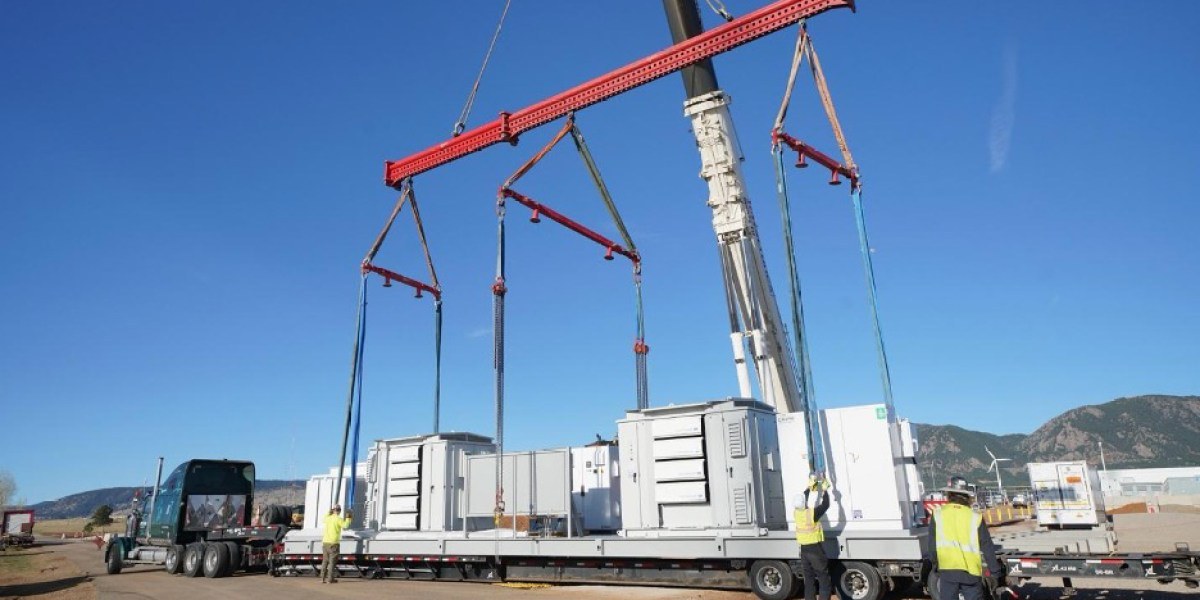
The engineering way out requires shifting power conditioning and ride-through protection upstream to the medium-voltage layer outside the building envelope. Relocating protection gear to the substation yard shrinks indoor footprint, dramatically accelerates permitting timelines, and supports higher rack density while shielding regional utilities from multi-gigawatt load shedding. Until operators redesign protection topology at the medium-voltage boundary, no amount of new generation will insulate frontier training runs from preventable grid trips.