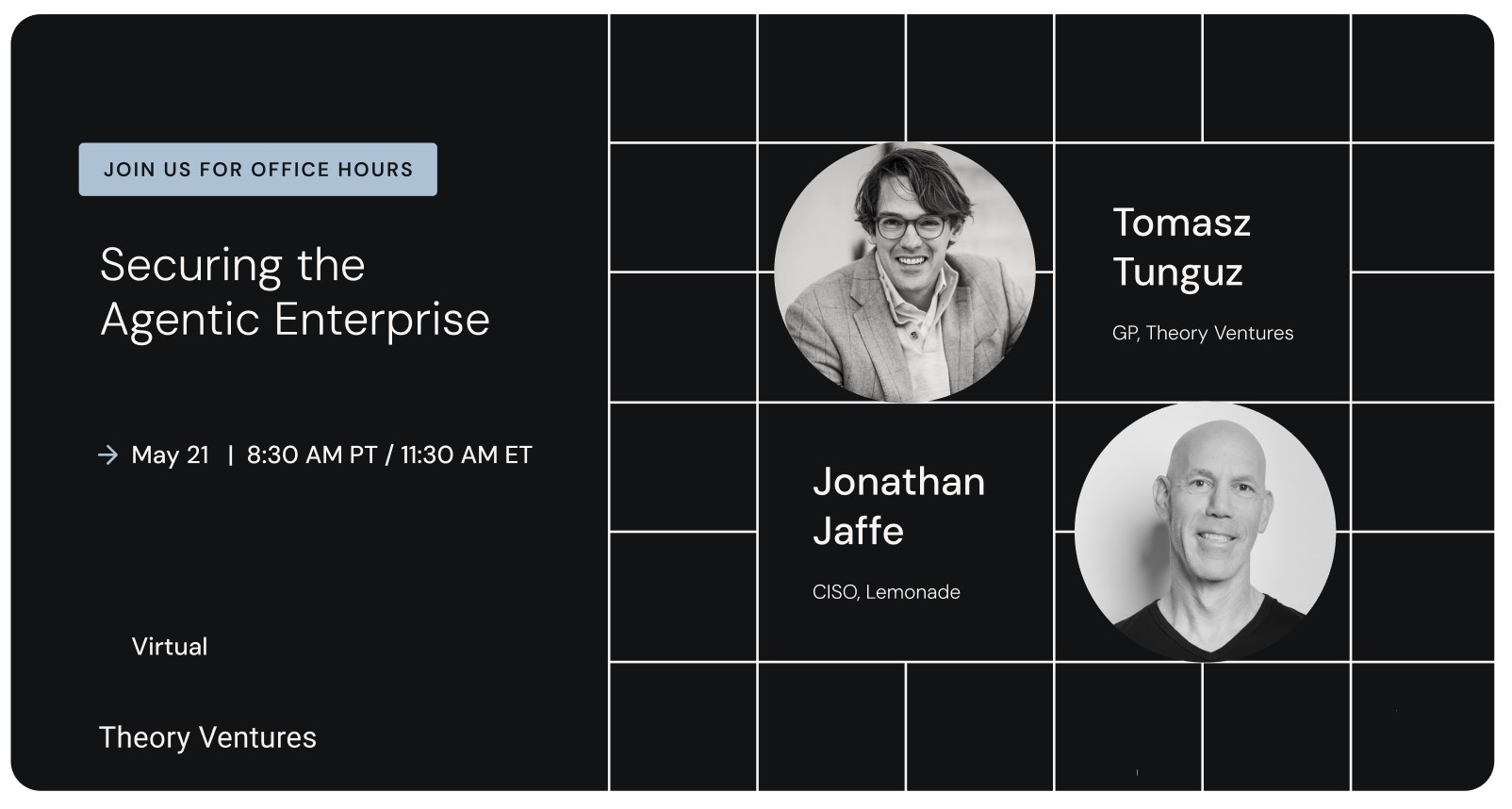
Traditional security protocols are rapidly becoming historical artifacts. The fatal flaw in current strategies is the assumption that your adversary is a human acting at human speed. As Jonathan Jaffe, CISO of Lemonade, points out, modern enterprises are shifting to AI agents, and attackers are doing exactly the same. This creates a reaction gap that manual oversight simply cannot bridge.
When an attacking agent executes a multi-stage breach in milliseconds, protocols requiring human intervention become a bureaucratic anchor. Your legacy defense infrastructure is essentially standing still while threats move at the speed of machine code. Protecting an agent-based enterprise is now a systemic challenge rather than a collection of isolated patches.
According to Jaffe, if an agent is attacking you, an agent must be your defender. This shift requires holistic, autonomous monitoring systems that oversee AI actions within the corporate perimeter in real time. There is no room for half-measures here: you either implement defensive AI by default, or you effectively hand over the keys to your perimeter.
The primary challenge for leadership is defining the boundaries of trust. You must identify exactly where automation should entirely replace human judgment to maintain control over business logic. Effective defense today relies on symmetry: only autonomous systems can counter autonomous threats. Jaffe, who has tracked threat evolution since 1997, emphasizes that attempting to maintain manual control in the era of AI agents is the fastest route to catastrophe. Security is no longer a matter of employee vigilance; it is a question of code quality and the autonomy of your defense systems.