AI · This text was generated with artificial intelligence
Modern operations tooling is rapidly moving from automated alerting to autonomous remediation. AI incident response agents can now inspect incoming telemetry, generate diagnostic hypotheses, correlate recent deployments, and deploy production hotfixes without human intervention.
While delegating routine firefighting to autonomous agents looks attractive on paper, it introduces a dangerous operational vulnerability: systemic deskilling of engineering teams.
The Ironies of Routine Automation
Self-healing infrastructure is not a novel concept. Sylvain Kalache prototyped an early self-healing architecture at LinkedIn back in 2012 to remediate recurring production failures. Today, modern LLM-driven agents have scaled that vision into end-to-end incident resolution across complex distributed environments.
Yet routine incidents are precisely how site reliability engineers develop an intuitive mental model of system behavior under pressure. When automation resolves every common failure mode, teams lose the tacit knowledge required to understand how microservices interact during real-world degradation.
"Human-factors researcher Lisanne Bainbridge described this paradox in her classic 1983 paper, The Ironies of Automation."
As Bainbridge observed, automating routine operations deprives operators of daily diagnostic practice, leaving them ill-equipped to intervene during severe, non-standard edge cases where automation inevitably fails.
The Aviation Parallel and MTTR Dynamics
This operational disconnect creates an asymmetric reliability risk. Kalache notes that while mean time to resolution (MTTR) for standard incidents will decrease, resolution times for complex, unprecedented outages will spike dramatically. When an unscripted cascading failure hits, on-call engineers who have not touched raw telemetry in months will struggle to isolate the root cause manually.
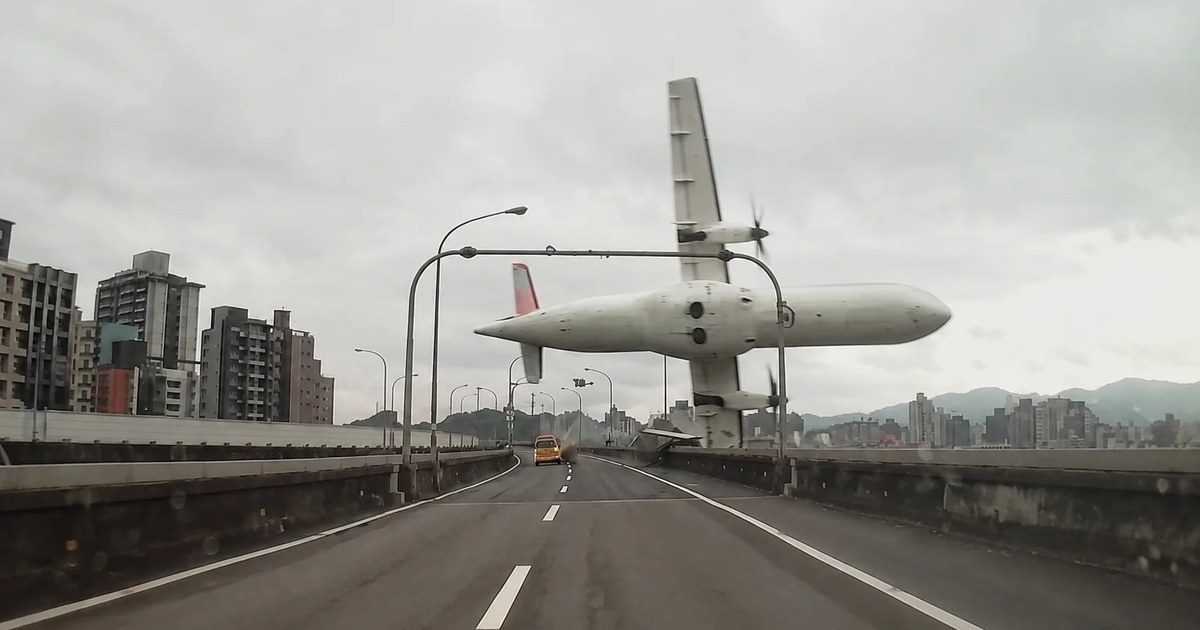
Aviation offers an uncomfortable parallel. Modern commercial turbofans record fewer than one in-flight shutdown per 100,000 engine flight hours, making manual emergency handling exceptionally rare. When unexpected failure modes occur, degraded pilot intuition can turn fatal—as seen in the 2015 TransAsia Airways Flight 235 disaster, where the crew misdiagnosed an autofeathered engine and shut down the working power plant.
Rebuilding Diagnostic Intuition
Autonomous agents deliver an illusion of bulletproof reliability right up until an edge case triggers an existential system halt. Engineering leaders adopting AI-driven incident management must recognize that passive dashboard observation cannot replace hands-on diagnostic competence when critical infrastructure breaks down.