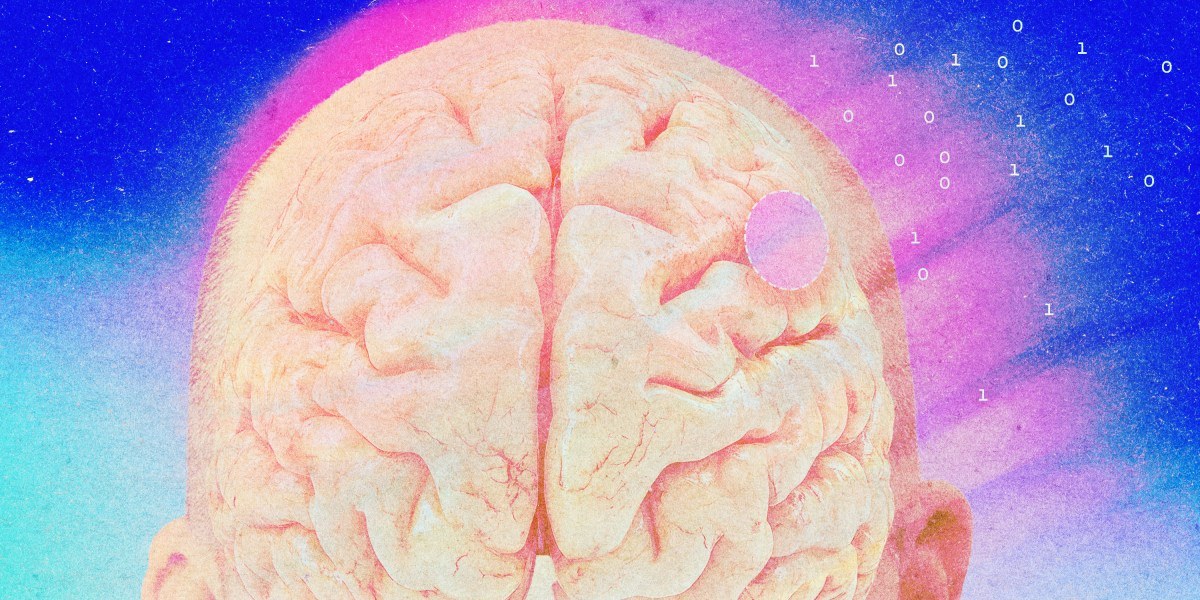
The era of experimental brain-computer interfaces (BCIs) is rapidly transitioning into a phase of clinical scaling. The number of people with brain implants has doubled in just two years—a metric that represents more than just medical statistics. It is a leading indicator of technology evolving into functional workplace equipment. We are witnessing neuroimplants shed their status as sci-fi curiosities to become critical tools for enhancing human productivity.
The Rise of the Neural Power User
Casey Harrell, a climate activist living with Amyotrophic Lateral Sclerosis (ALS), has become the face of this transition. Before receiving his implant in July 2023, he had almost entirely lost the ability to speak clearly. Researchers at UC Davis now describe Harrell as the first true BCI "power user." Using the interface, he does more than just send basic signals; he maintains a full professional life—managing finances, coordinating projects, and navigating the web. The system decodes his brain's electrical activity into phonemes, which a computer then converts into speech.
"This device is literally putting me back in the game," Harrell notes. The fact that this technology allows him to not only communicate with his family but also sustain a career signals a fundamental shift. The BCI market is outgrowing its origins as a simple accessibility aid, moving toward a comprehensive user experience (UX) where neuroprosthetics support a full work schedule and professional status.
Software vs. Hardware: An Ecosystem Shift
The maturity of the sector is no longer defined by how deep the electrodes go, but by the sophistication of the software layers. The UC Davis team has moved beyond primitive cursor control to features typical of commercial software. Harrell’s system now includes profanity filters and privacy modes—marking the transition from a laboratory prototype to a polished product. While academic circles still debate invasiveness—from wired cortical arrays to wireless systems—the real competition is shifting to how effectively algorithms integrate thought-to-text into daily workflows.
Scaling the Neuro-Market
The geopolitical race is accelerating this momentum: China has already approved its first BCI for medical use. As new players enter the field, the focus is shifting from surgical risks to electrode longevity and the development of a software ecosystem capable of supporting professional activity for years. We are seeing the industry's center of gravity move from hardware safety to the reliability of the software layer that interprets human intent.
The global BCI user base doubled in the last 24 months, signaling a move toward workplace legitimacy. For business, this is a clear sign: BCIs are moving from abstract research to a high-stakes, fast-growing tech category. The future where employees answer emails via thought is no longer a cyberpunk trope; it is now a matter of operational efficiency and software quality.