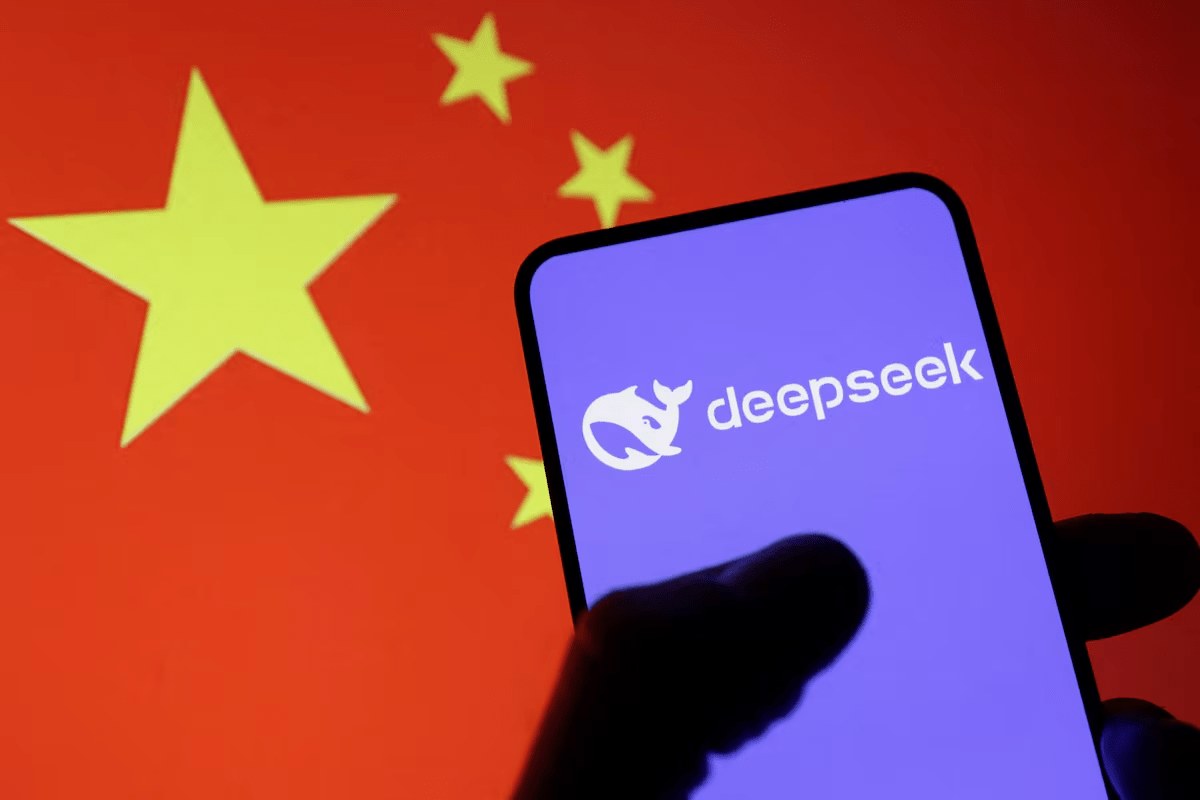
Beijing's regulatory apparatus has officially turned its gaze inward, as the Cyberspace Administration of China opened an investigation into DeepSeek and Kimi creator Moonshot AI. Regulators dispatched inspectors directly to the companies' offices to interrogate executives over allegations that domestic user prompts and operational data were quietly routed to Anthropic's Claude infrastructure.
The anxiety in Beijing is hardly subtle: state officials fear that channeling live queries through Western frontier models risks leaking sensitive military, security, and proprietary corporate data across the Pacific, directly violating China's stringent data security laws.
Moonshot and DeepSeek allegedly routed live customer conversations, which sometimes included sensitive information, through Claude and used its responses as training data.
This uncomfortable reality came to light following an Anthropic disclosure detailing how Moonshot and DeepSeek funneled live customer interactions through Claude to harvest its outputs for distillation and training. The report notes similar traffic from at least seven domestic labs, including Alibaba, Z.AI, MiniMax, SenseTime, and Xiaomi, turning what looked like clever technical shortcuts into a massive geopolitical liability.
Regulatory and Technical Fallout
The timing could hardly be worse. This compliance crackdown coincides with concurrent state audits scrutinizing Broadcom switch deployments in national data centers, while DeepSeek prepares for diplomatic briefings at the UN Security Council. Meanwhile, global frontier labs keep pushing boundaries, with Anthropic iterating its model lineup and competitors rolling out advanced agent architectures.
For enterprise engineering teams, the takeaway is stark: building infrastructure on unmonitored API routing and distillation shortcuts to foreign providers is a fast track to severe operational disruption. As cross-border data flows face unprecedented state friction, engineering leads must immediately audit their underlying model dependencies before regulators do it for them.