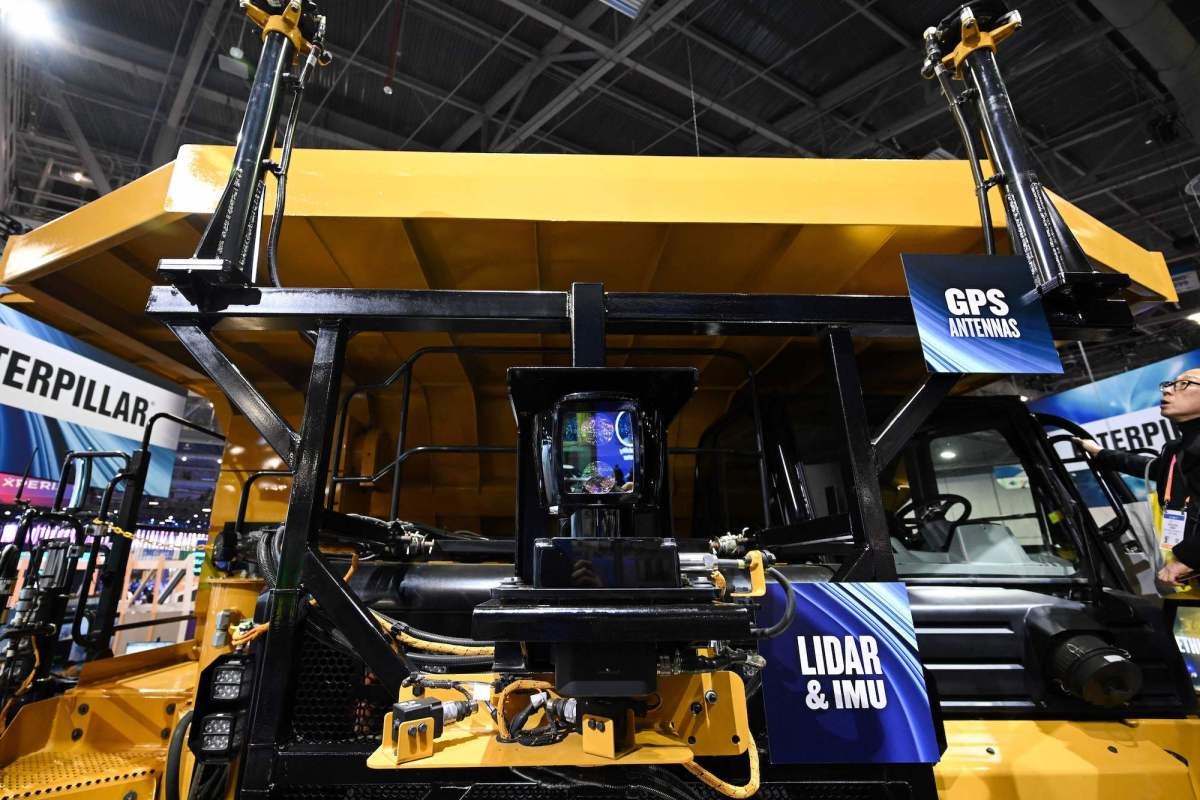
Enterprise artificial intelligence deployments frequently stall the moment pristine models collide with messy operational reality. While corporate IT departments burn budgets attempting to drag generative models out of isolated sandbox pilots, heavy industry spent decades solving the brutal friction of physical deployment. Caterpillar, which initially automated heavy mining machinery to offset acute labor shortages and hazardous working conditions, is now turning those operational battle scars into a direct playbook for enterprise-scale AI.
Grounding Algorithms in Connected Fleet Data
Caterpillar’s autonomous fleet spans robotic haul trucks, automated drilling rigs, underground loaders, and tele-operated dozers. But the competitive moat is not the heavy iron—it is the cyber-physical software spine: distributed command centers, fleet orchestration layers, and real-time terrain intelligence systems. As Chief Technology Officer Jaime Mineart pointed out at the Ai4 conference in Las Vegas, the company is translating the closed-loop governance developed in predictable mining pits directly into unstructured construction zones and dynamic quarries.
To bridge the last-mile gap for frontline operators, Caterpillar rolled out the Cat AI Assistant. The voice-guided operational interface enables field mechanics to troubleshoot complex mechanical failures, pull schematics, and stage replacement parts before turning a single wrench.
"Now we're in this super exciting time where we can take all of that learning from mining and bring it into much more dynamic environments, jobsites, quarries, and construction sites,"
As Mineart emphasized, the system does not hallucinate off raw web crawls; it is anchored in proprietary telemetry from 1.6 million connected field assets backed by a 16-petabyte structured operational archive. Beyond diagnostics, Caterpillar integrates machine intelligence across spatial site-scanning platforms, manufacturing digital twins, and automated software pipelines where specialized agents refactor legacy code and stress-test firmware builds before field deployment.
Reframing Workforce Roles and Infrastructure Economics
Autonomous deployment is an organizational restructuring problem disguised as an engineering project. Standalone models fail in production because they ignore human workflows and site logistics. Caterpillar bypasses this failure mode by putting veteran field operators in the loop to ground and fine-tune systems with decades of tacit operational knowledge.
"The hard part about autonomy and about physical AI is incorporating that technology into the customer jobsite and into the workflows,"
Realizing enterprise AI returns demands systemic operational overhauls, dedicated on-prem compute, and robust telemetry feeds rather than endless prompt engineering in sandbox isolation. Executives who treat AI as an end-to-end operational rewiring will capture durable operating leverage; those treating it as a corporate software experiment will remain stuck footing bills for pilots that never scale.