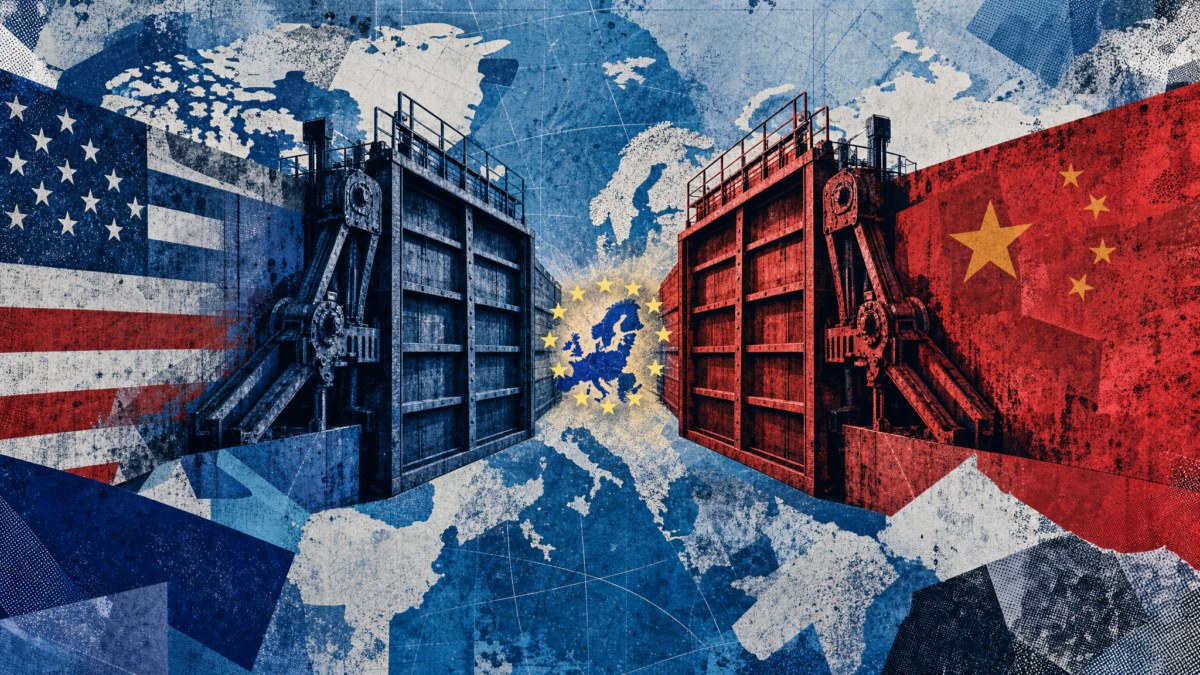
Beijing is finally ready to play the same game as Washington. According to Reuters, the Ministry of Commerce has summoned the heavyweights—Alibaba, ByteDance, and the startup Z.ai—to discuss formal export restrictions on high-performance AI models. The proposed framework isn't just a slap on the wrist; it’s a tiered gatekeeping system. While basic open-source tools might get away with simple registration, frontier models will face grueling security reviews or be locked strictly within Chinese borders. By placing AI technology transfer under national security laws, China is effectively ending the era of 'global' tech stacks.
For European enterprises, this is a wake-up call that should have happened yesterday. While Brussels talks big about digital sovereignty, the reality on the ground is that local businesses have been using Chinese models like Alibaba’s Qwen and ByteDance’s Doubao as a much-needed hedge against the American monopoly. These models provided a cost-effective, high-performance 'Plan B.' If Beijing pulls the plug, that safety valve vanishes, leaving the EU entirely dependent on the whims of Silicon Valley and the increasingly restrictive US export controls.
Europe’s response so far resembles bringing a toothpick to a gunfight. The 200 billion euro InvestAI initiative sounds impressive only until you compare it to the Capex of a single American hyperscaler. Our data centers remain stuck in the planning phase, and the continent’s top-tier talent continues its one-way migration to foreign labs. Without domestic infrastructure or access to the East, the EU is no longer a player—it’s just the battlefield where two superpowers settle their scores. Relying on an underfunded infrastructure program to close a multi-billion dollar gap isn't a strategy; it’s a prayer for a miracle that isn't coming.