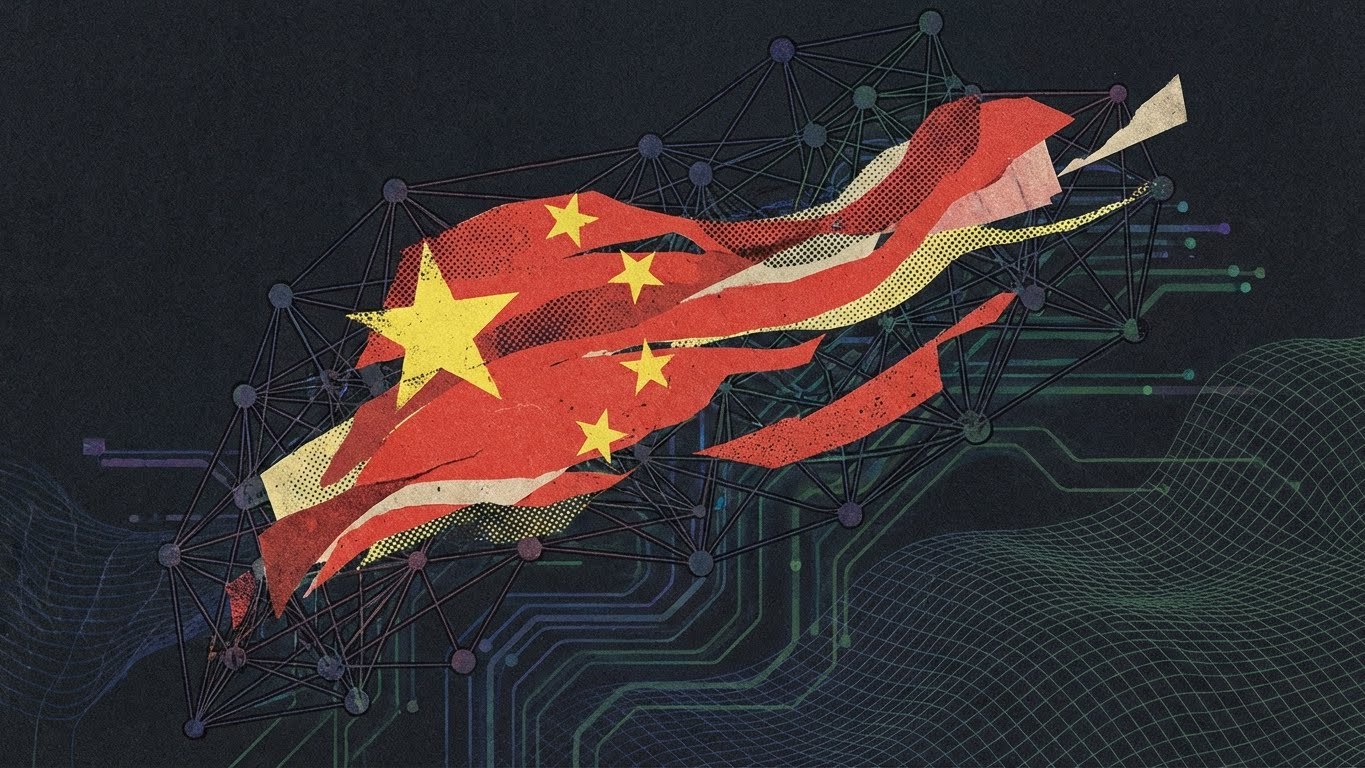
Chinese tech giants are rushing to perform a "lobotomy" on their neural networks, sacrificing user engagement on the altar of state stability. According to the South China Morning Post, ByteDance is scaling back custom character features in Doubao—its flagship chatbot with an audience of 300 million. Alibaba (Qwen) and Tencent (Yuanbao) followed suit even earlier, eliminating human-like agents in the first half of July. This mass exodus of digital personalities is not a market correction, but a direct surrender to the April directives issued by the Cyberspace Administration of China (CAC).
The State vs. Empathy
The regulator views "soulful" conversations with code as a threat to public order. Under CAC requirements, developers must eradicate any forms of "addictive behavior" and emotional attachment to machines. In practice, this means a ban on training models on sensitive data that builds intimacy, and the mandatory implementation of mechanisms to prevent users from becoming "hooked" on virtual interlocutors. Beijing is effectively neutralizing AI as an uncontrollable channel for social and ideological influence.
In the PRC's value system, ideological control and social determinism will always take precedence over market capitalization and engagement metrics.
Business in a Regulatory Vise
For the industry, this maneuver is a cold shower. While Western startups like Character.AI fight for every minute of audience retention, Chinese players are forced to artificially degrade their products. This is a vivid demonstration of the fragility of B2C models under authoritarian regulation: as soon as an algorithm becomes too human-like, it turns into a political risk.
Neural networks are stripped of anthropomorphism at the regulator's request. Developers are required to implement mechanisms against digital addiction. Ideological purity is prioritized over the growth rates of the IT sector.
While California debates ethics and files lawsuits against OpenAI, China is solving the problem of AI "humanity" through administrative surgery. Doubao and Qwen now face the challenge of retaining hundreds of millions of users while being legally deprived of the very anthropomorphism that currently drives interest in generative systems. In this race, the winner won't be the smartest or most empathetic bot, but the one that best learns to mimic a dry government memo.