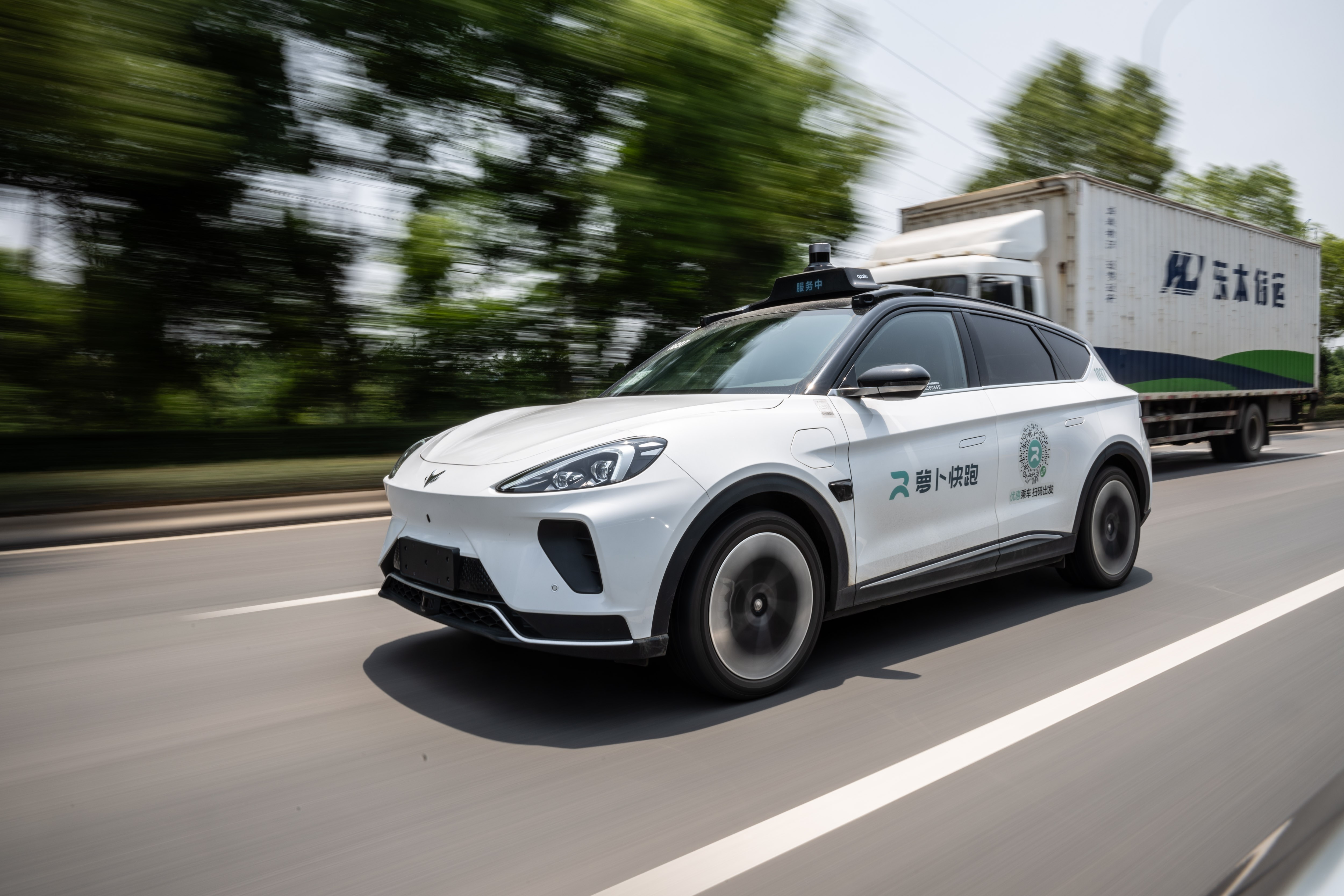
Chinese regulators have vetoed Baidu’s ambitious growth plans, halting the issuance of new driverless transport licenses. The crackdown follows a major incident in Wuhan, where a fleet of Apollo Go autonomous vehicles suffered a software glitch that paralyzed city traffic. According to Bloomberg, dozens of vehicles simply froze on busy highways, turning a technological triumph into a logistical nightmare.
The authorities' response was immediate. Local administrations have been ordered to conduct comprehensive audits of the sector to ensure that digital anomalies no longer disrupt human drivers. For tech giants like Baidu, this regulatory pause translates directly into financial losses. The ban blocks both the scaling of the existing fleet and expansion into new regions.
The economics of autonomous systems, already burdened by massive capital expenditures, have hit an artificial ceiling. Without the ability to increase coverage density and geographic reach, achieving a return on investment (ROI) for robotaxi infrastructure has shifted from a complex mathematical challenge to a nearly impossible goal. Beijing has sent a clear message: the era of unchecked testing is over, and companies will now pay for software bugs with forced business downtime.
The Wuhan situation serves as a cold shower for proponents of an automated future. While marketers paint pictures of perfect traffic flow, dozens of high-tech sensors blinked helplessly in a traffic jam they created themselves. This serves as a vital signal for Western regulators: the transition of AI agents from digital environments to physical ones requires strict preemptive oversight rather than abstract cooperation. As it turns out, the state is not just another frustrated driver in the queue—it is an entity with the power to cut the ignition for an entire industry if it fails to follow the rules of the road.