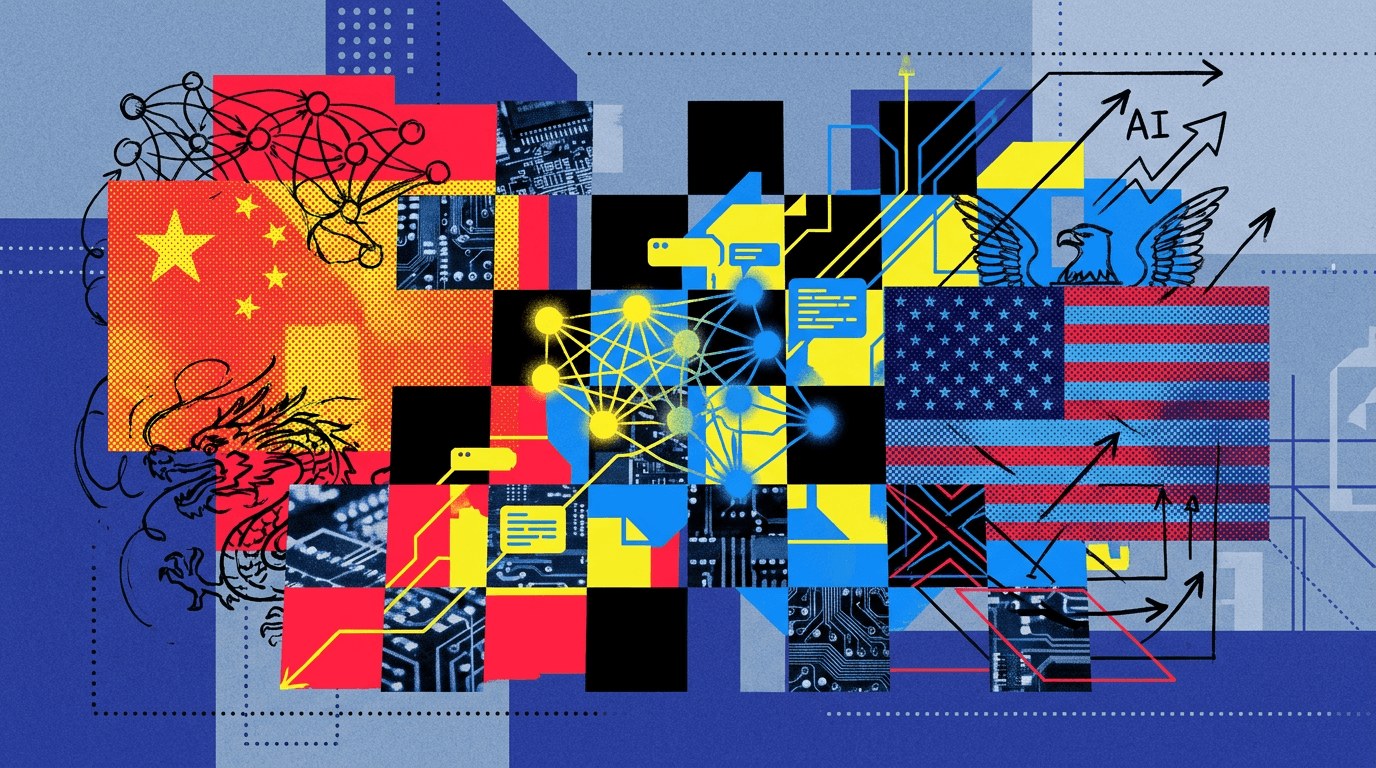
The Western monopoly on the Large Language Model (LLM) market is cracking. Chinese neural networks are no longer an "exotic" curiosity; they have firmly entrenched themselves in the corporate tech stack. Data from the OpenRouter platform confirms a tectonic shift: since February, the traffic share of Chinese models has consistently remained above 30%, peaking at 46%. For context, a year ago this figure barely reached 11%. Businesses have quickly shaken off the brand magic of OpenAI and Anthropic, pivoting to a cold pragmatism as the efficiency gap becomes impossibly large.
Price is the primary weapon in this expansion. As OpenRouter's Justin Summerville notes, Chinese open-source solutions currently cost 60–90% less than their American counterparts. This isn't a theoretical benefit; it’s a direct hit to the P&L statement. Flo Crivello, head of the startup Lindy, confirmed his company completely migrated its traffic from Anthropic's Claude to DeepSeek. The result: millions of dollars saved that were previously spent on a "brand premium." While American providers bake their inflated appetites into token pricing, players like DeepSeek and Z.ai offer comparable performance for pennies.
Technological parity is just around the corner, leaving market leaders with a frighteningly small window to maneuver. According to estimates from the Brookings Institution and the AI Standards Center, the lag of Chinese models in coding, math, and logic has shrunk to a negligible 6–9 months. For companies dealing with high-volume inference, a six-month delay in "intelligence" is a small price to pay for a tenfold reduction in costs.
"We migrated from Claude to DeepSeek and saved millions. In the current climate, paying for American closed models is becoming economically unjustifiable." — Flo Crivello, CEO of Lindy.
Chinese models' share on OpenRouter surged from 11% to 30–46% in one year. Token costs drop by up to 90% when switching to Eastern open-source stacks. The performance gap has narrowed to a critical 6–9 months. Enterprise-level companies like Lindy are saving millions via migration.
We recommend running a split test on internal processes that aren't client-facing. Compare DeepSeek’s output quality against your current usage of Claude or GPT-4o. If the model's logic holds up under load, your product's margins will recover instantly. It is time to stop subsidizing Silicon Valley and start counting your own money.