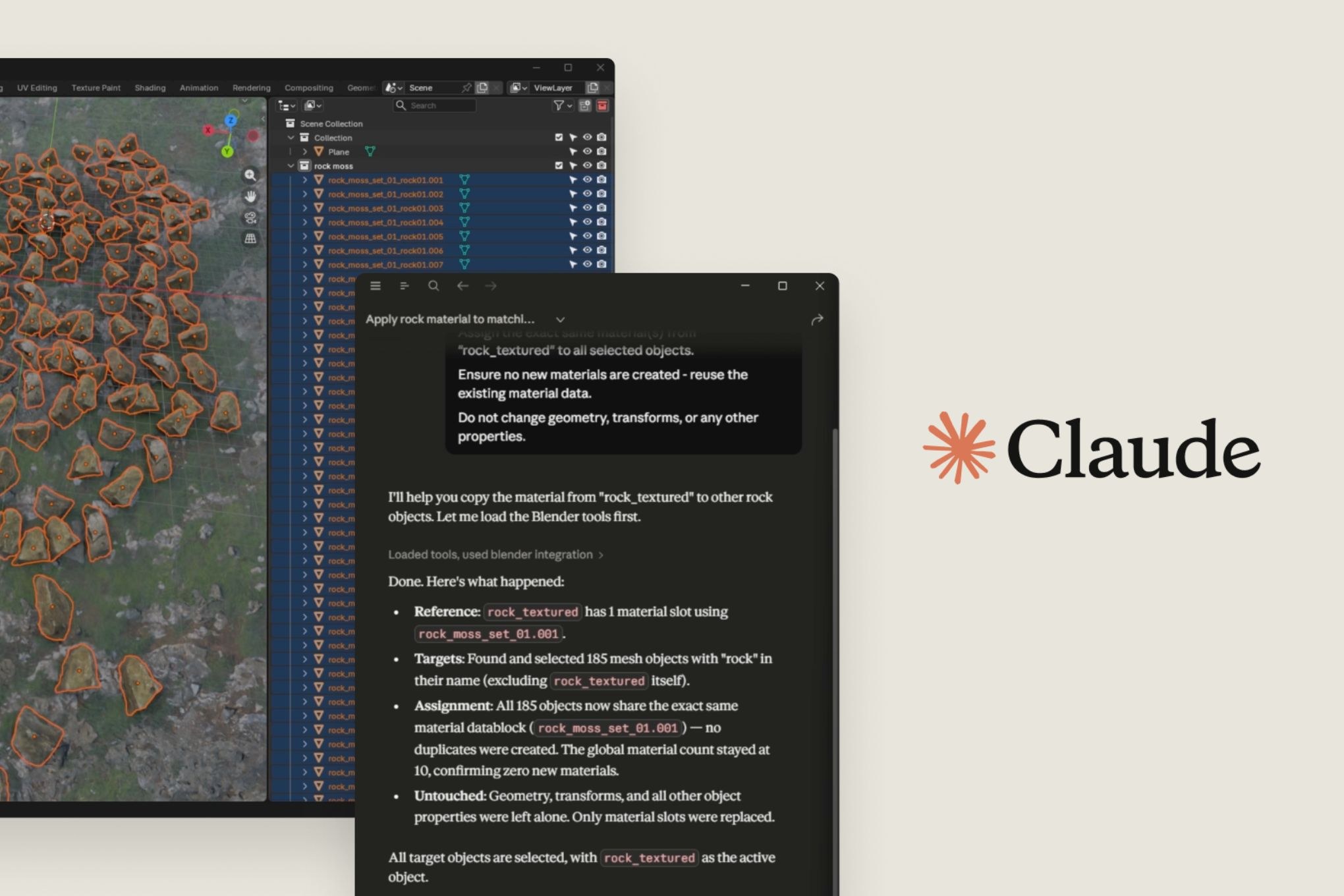
The era of the chatbot as the primary AI workspace is drawing to a close. Anthropic is shifting the focus from abstract dialogue to direct software control. The launch of a connector suite linking Claude with Photoshop, Premiere, Blender, and Ableton is more than just another update—it is an attempt to transform Large Language Models (LLMs) into a functional layer of the operating system. While competitors are still teaching neural networks how to draw humans without extra fingers, Dario Amodei’s team is training their model to work directly with Python APIs and application timelines. Claude is no longer just an enthusiastic assistant; it is an operator with access 'under the hood' of professional software.
The logic is simple: why describe desired visual edits to a bot and hope for a correct export when the model can independently manage layers or pull data from Ableton documentation to configure audio routing? According to Anthropic's strategy, human value is definitively shifting from routine execution to high-level orchestration. Technical skills that once took years to master are rapidly becoming a commodity. If Claude can handle the technical 'heavy lifting,' the barrier to entry for professional production collapses—and with it, the business model of traditional outsource studios.
Anthropic’s frontal assault on closed ecosystems like Adobe’s is particularly noteworthy. The company has officially become a corporate sponsor of Blender, pledging at least €240,000 annually to the foundation. This move is pure pragmatism: the investment ensures that the world's most powerful open-source 3D graphics tool remains accessible for Claude to control. For executives calculating ROI, this is a clear signal that they can kick the 'subscription habit' of traditional vendors. Why pay for Adobe Firefly when you can embed an agent into the free-to-use Blender?
Naturally, replacing middle-tier talent with AI agents carries risks. The issue of AI interpretability within complex layer hierarchies or multitrack projects remains unresolved. Quality control still requires a human touch, but the economic incentive to move production into in-house departments is becoming irresistible. Anthropic is making one thing clear: the future belongs not to those who master prompt engineering, but to those whose models navigate professional APIs most efficiently. Humans can keep the creativity; Claude will take over the tedious technical work for the price of $281,000 a year—the exact sum now heading to the Blender Foundation.