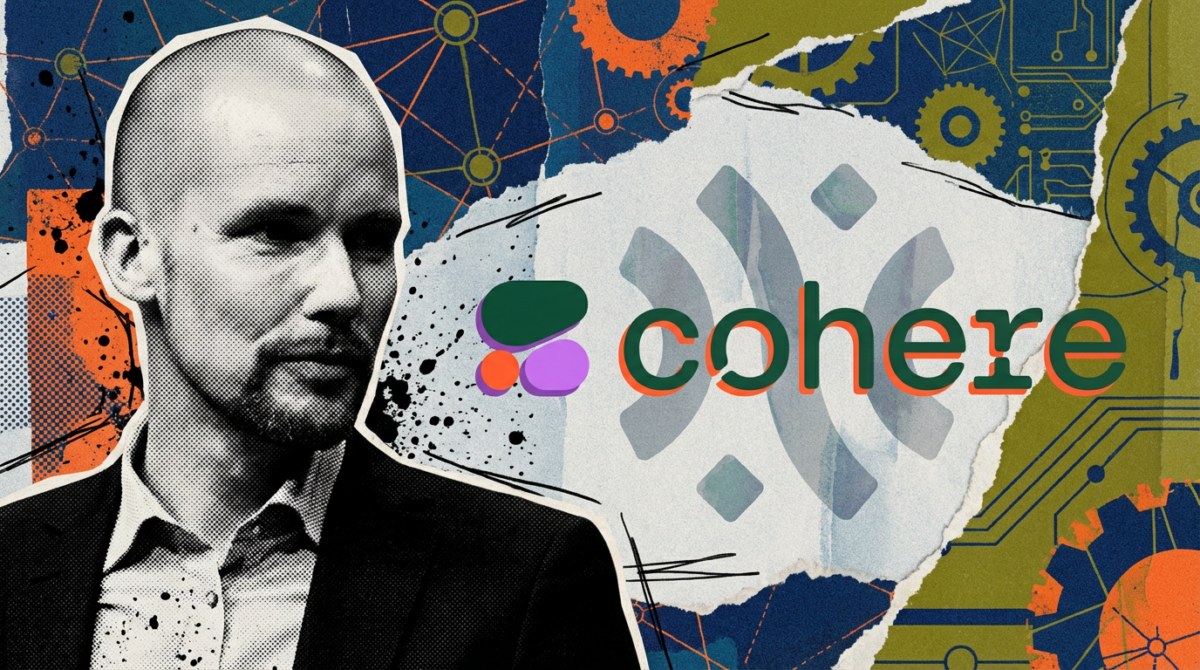
The dream of an independent European artificial intelligence has officially been declared untenable: Canadian heavyweight Cohere is taking Heidelberg-based startup Aleph Alpha under its wing. The deal, which values the combined entity at an impressive $20 billion, looks like a pragmatic surrender. Following the departure of founder Jonas Andrulis, the German 'national champion' has finally dropped out of the large language model race, unable to withstand the competition for computing power and scaling.
To facilitate the takeover, Schwarz Group (owners of the Lidl retail empire) led a $600 million investment round and provided the infrastructure of its STACKIT cloud. This maneuver is an attempt to transform the concept of 'sovereign AI' from a loud political slogan into a niche for survival. Judging by statements from the German Digital Minister and Canadian Minister Evan Solomon, both governments are investing serious political capital into the project, hoping to create at least some alternative to American hyperscalers.
For Cohere, this is more than just a deal; it is an entry ticket into the European Union's public sector, including lucrative contracts with the state of Baden-Württemberg. While Aleph Alpha shareholders are reportedly swapping their stakes for Cohere shares at a disadvantageous 9-to-1 ratio, the market is receiving a clear signal: local patriotism is useless without billions of dollars for chip procurement.
In our view, we are witnessing the end of the illusion regarding the viability of 'national models.' We are entering an era of cross-border consolidation where data sovereignty is no longer a standalone product, but rather a marketing feature used by major players to capture defense and government contracts. If you were betting on local AI providers, be prepared for them to be absorbed by North American structures seeking a legal loophole to penetrate the European market.