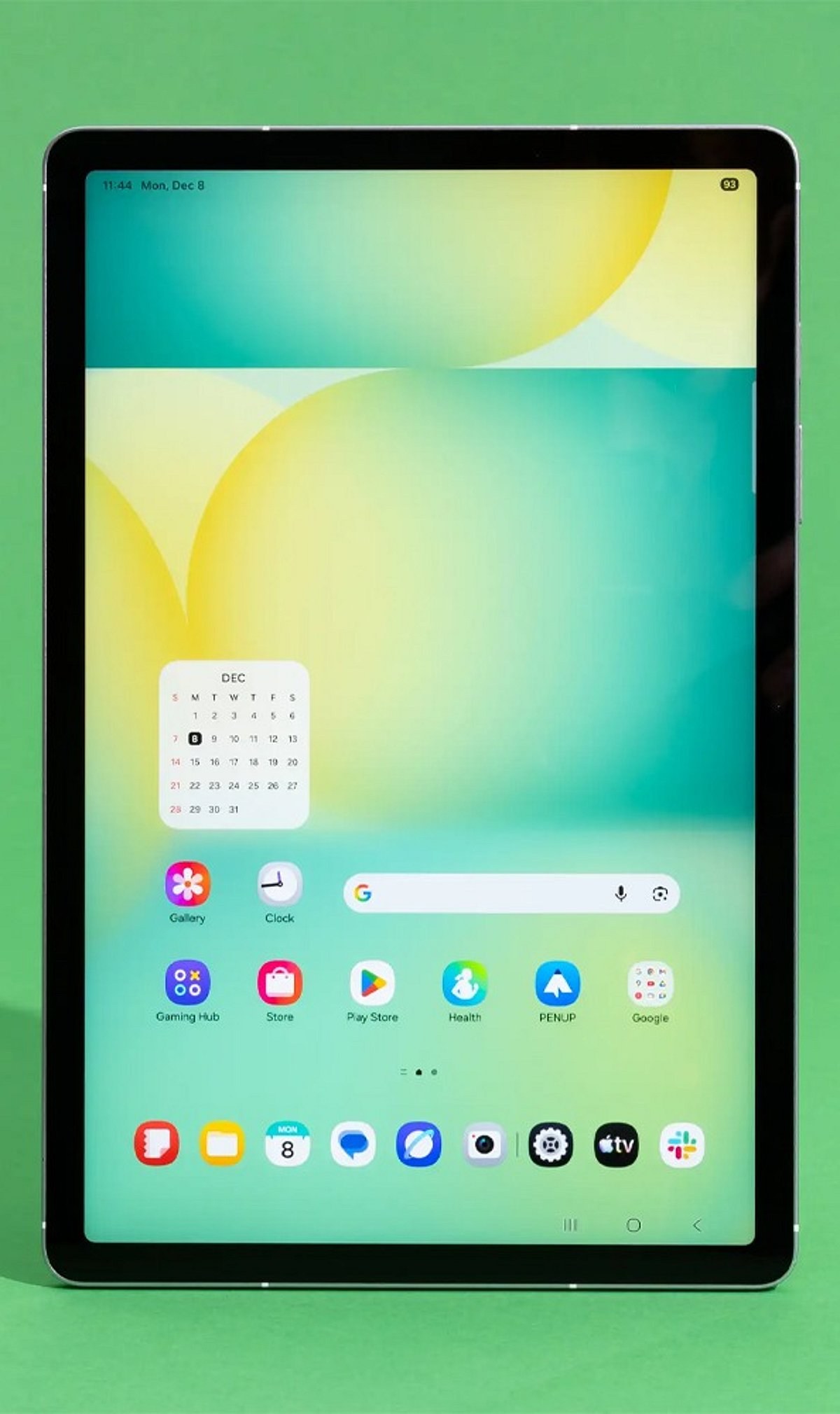
It is time to stop viewing entry-level tablets as consumer toys and start seeing them as cost-effective terminals for cloud-based AI agents. When deploying interfaces for frontline personnel, a procurement strategy focused on the $150–$200 price range is more than just frugal—it is rational. Why overpay for excessive local processing power when the heavy lifting is handled in the cloud?
However, experts at Analytics Insight warn of critical procurement pitfalls: any device with only 2GB of RAM is a wasted investment. For the stable performance of Large Language Model (LLM) web interfaces and enterprise software, the technical floor starts at 4GB of RAM. As analyst Simran Mishra notes, configurations like the Samsung Galaxy Tab A9+, powered by the Snapdragon 695 and integrated with the Knox security system, allow budget hardware to be folded into a corporate security perimeter, minimizing data leak risks during field operations.
Employee productivity when interacting with multimodal AI systems depends heavily on low input latency. Consequently, 90Hz refresh rate displays—now standard in devices like the Lenovo Tab M11 and Realme Pad 2 Lite—have become mission-critical. Smooth scrolling and interface responsiveness are not luxuries; they are essential for reducing cognitive load during long shifts. For tasks requiring high mobility and reliable video conferencing, Analytics Insight highlights the Redmi Pad SE, equipped with the Snapdragon 680 chip. Ultimately, instead of investing in a single, high-cost ruggedized device, businesses can deploy a fleet of interchangeable terminals that serve as an effective 'window' into the world of corporate intelligence, performing just as well as flagship models.