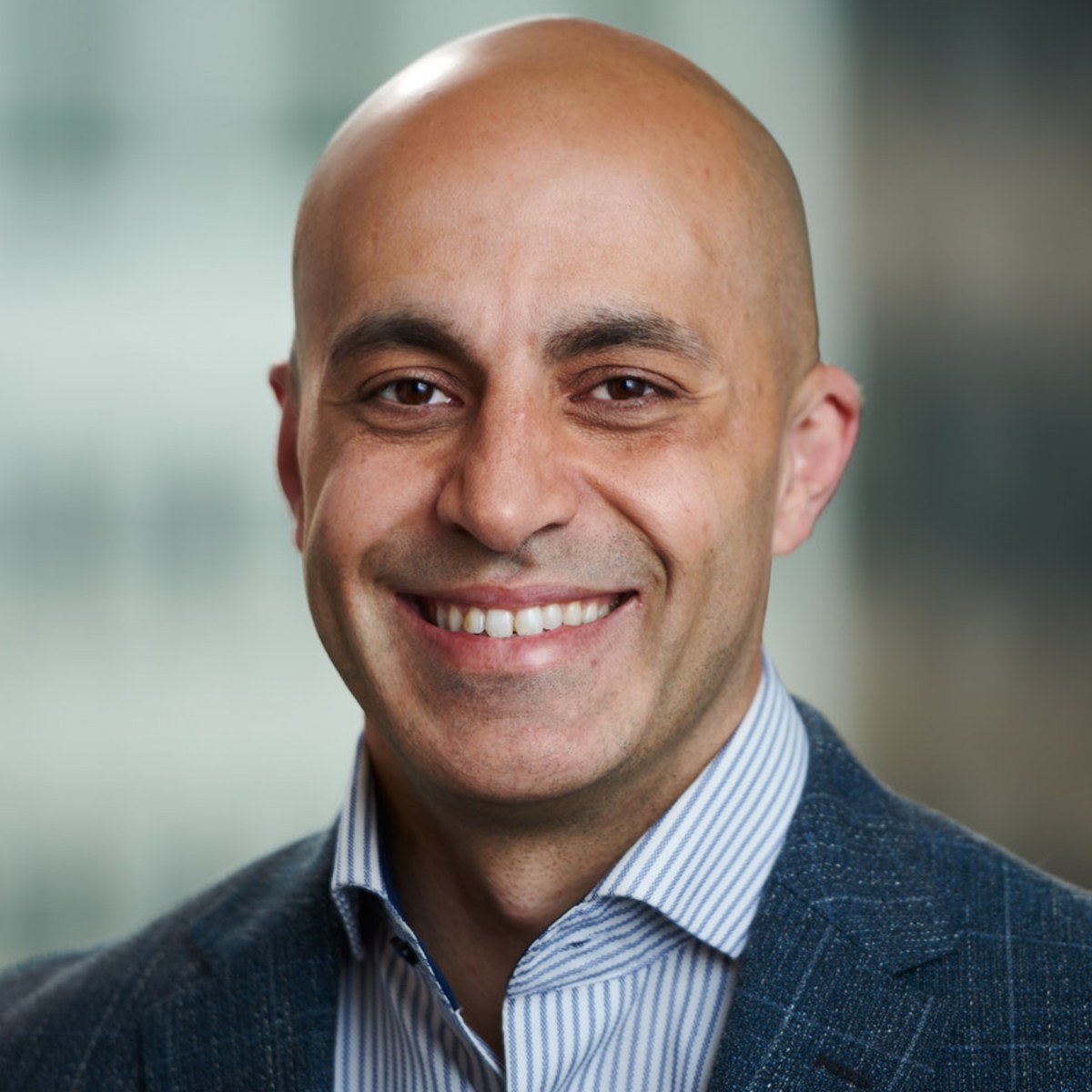
Capital markets in the AI infrastructure sector have mutated into a state of aggressive oversupply where the urge to deploy capital now outweighs the actual cash requirements of industry leaders. Databricks CEO Ali Ghodsi originally walked into the market looking for a modest $1 billion. Instead, he was met with $15 billion in unsolicited interest, a staggering surplus that effectively broke the traditional logic of funding rounds. When investors are literally banging down the door with fifteen times more cash than requested, the 'round' ceases to be a strategic choice and becomes a defensive maneuver against dilution.
This $5 billion influx, finalized at a $190 billion valuation, exposes a sharp conflict of interest between founders and the venture capital machine. While Ghodsi and his team theoretically want to minimize dilution, global funds like Coatue, Blackstone, and MGX are desperate to 'park' capital in proven winners to maintain their relevance in the AI race. For these funds, Databricks isn't just a company; it's a structural necessity for their portfolios. The result is a liquidity dictatorship where the company is forced to absorb billions just to satisfy the market’s need for a safe haven.
The Cost of the AI Land Grab
The appetite for Databricks equity isn't purely hysterical; it is fueled by growth metrics that seem to ignore the standard gravity of late-stage maturation. Ghodsi reports a $7 billion annualized revenue run rate, growing at 80% while maintaining cash-flow positivity—a rare feat in an era of subsidized AI hype. The company’s cloud data warehouse alone accounts for $1.5 billion of that total, doubling its footprint year-over-year.
Beyond mere storage, the company has weaponized its AI layer with surgical precision. Its 'Lakebase' database for agents, launched only in June 2025, has already hit a $100 million revenue run rate, while the Genie AI chatbot is seeing rapid enterprise adoption. This performance provides a convenient shield for the eye-watering valuation, but it also highlights Ghodsi’s blunt reality: AI is expensive, and in this land grab, being undercapitalized is a greater sin than being overvalued.
The Perpetual Private Status
By accepting this massive $5 billion injection from a roster of two dozen VCs and institutional giants like T. Rowe Price and Sixth Street Growth, Databricks is effectively insulating itself from the public markets. This creates a 'perpetual unicorn' dynamic, allowing the company to navigate the volatile costs of R&D without the quarterly scrutiny of an IPO. However, this private-market obesity carries systemic risks.
The sheer scale of this cap table creates a delayed-action liquidity bomb. At a $190 billion entry point, the upside for future public market investors is shrinking rapidly. If Databricks continues to consume private liquidity to fuel its growth, it risks entering the public stage as a fully-priced asset with little room for the 'pop' that retail and institutional investors expect. This setup turns Databricks into a private proxy for the AI sector—profitable and powerful, but increasingly opaque to the broader market, raising the specter of an expectations bubble that could underperform once the doors finally open.