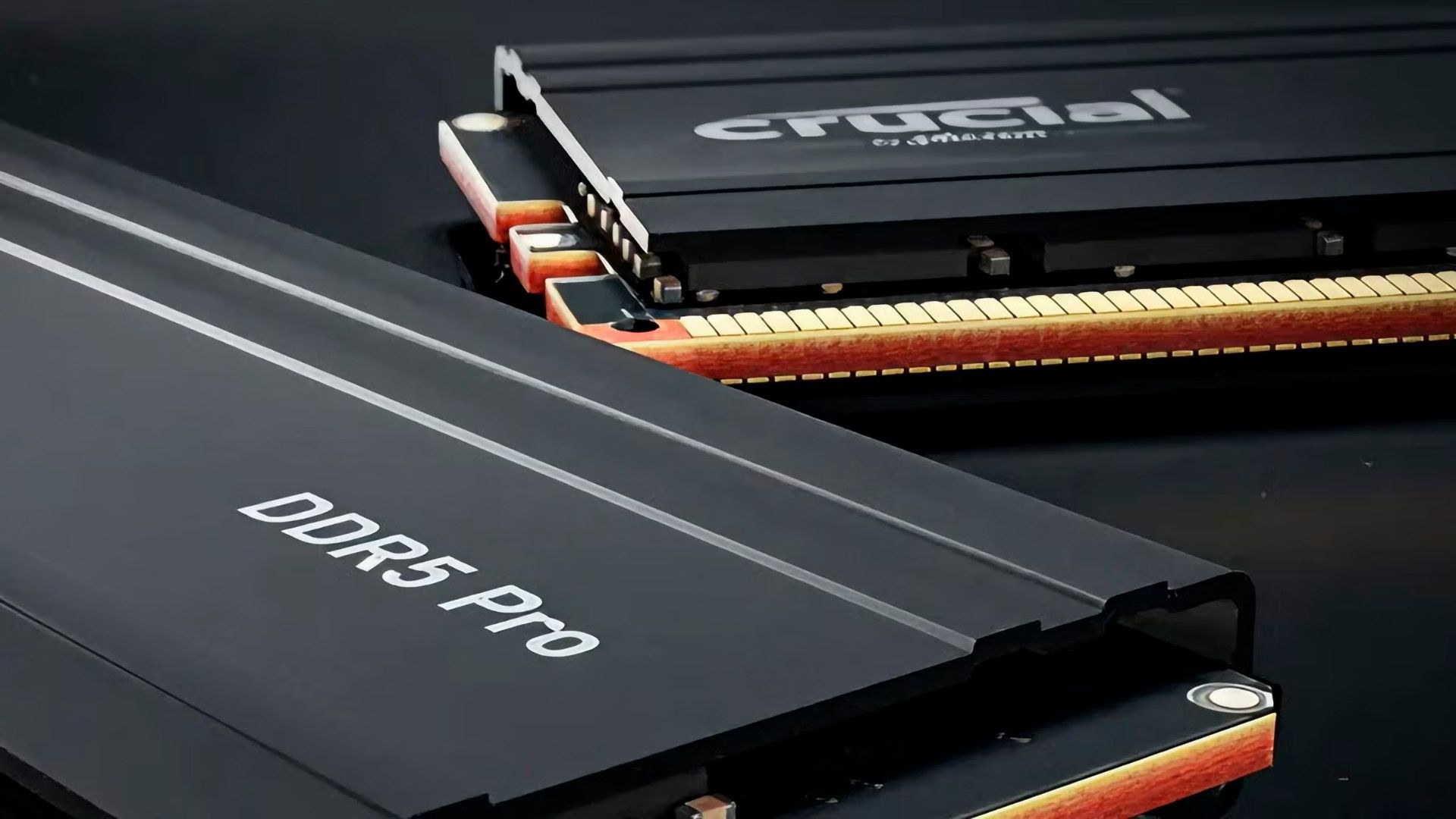
Hardware procurement for enterprise data infrastructure is running straight into an algorithmic wall. Enterprise appetite for memory bandwidth has collided with aggressive secondary-market scalping, turning standard component sourcing into a battle against automated bots. According to Jérôme Segura, VP of threat research at DataDome, malicious bots now account for an astonishing 91% of all traffic hitting one major retailer's DDR5 product pages. That translates to roughly ten automated tracking requests for every legitimate human buyer—up sharply from the 6:1 ratio DataDome recorded across retail portals back in March.
These automated networks hammer inventory listings at sub-second frequencies, snapping up available stock long before human procurement leads can even refresh their carts. DataDome documented a single operation generating over 10 million blocked requests, where a one-hour sample showed 91 distinct DDR5 listings polled roughly 551 times each—or once every 6.5 seconds. Armed with cache-busting parameters to bypass content delivery networks, these scripts target consumer kits alongside enterprise module makers like Micron and Apacer, and even critical socket suppliers Amphenol and TE Connectivity. To put this in perspective: while the Thales 2026 Bad Bot Report pegs automated traffic across the broader web at 40%, the 91% bot saturation on DDR5 listings represents more than double the global baseline.
Market Impact and Retail Defenses
This continuous scraping pressure directly mirrors a brutal upward trajectory in retail pricing. PCPartPicker data reveals that a standard 32GB DDR5-6000 kit, which averaged $72 a year ago, now demands an average of $392. High-density server hardware has suffered an even steeper penalty: Tom's Hardware tracked the cheapest 128GB DDR5-6400 kit hitting $3,399—a tenfold increase from its historical low. On secondary marketplaces like eBay, listings for G.Skill's Trident Z5 Neo 32GB kit spiked to $836.54.
Retailers and hardware vendors have been forced to tear up standard distribution playbooks to counter the onslaught. Framework discontinued standalone RAM sales last November specifically to thwart scalpers. Micro Center restricted high-demand bundles—pairing a CPU, motherboard, and 32GB DDR5—strictly to in-store purchases with a hard limit of one per household. Meanwhile, Newegg and Amazon have leaned on mandatory CPU-plus-memory bundles that price the memory below standalone cost, effectively saddling arbitrageurs with excess silicon inventory they must offload.
Structural Supply Deficits
Yet retail arbitrage is only the symptom of a much deeper, structural supply squeeze. As Segura pointed out on LinkedIn:
"traffic analytics are probably understating the problem significantly."
While page requests measure speculative pressure rather than finalized deals, underlying fab allocations are already tied up elsewhere. C.K. Chang, CEO of Apacer, warned in July that DRAM supply allocated to independent module makers could drop to just 30% of baseline levels next year. In parallel, TrendForce projects conventional DRAM contract prices to climb an additional 13% to 18% in Q3 following a 60% jump in Q2, as hyperscalers lock in forward deposits on planned fab output through 2027.
For engineering leads building local inference clusters, edge compute nodes, or data pre-processing servers, the writing is on the wall: commercial DDR5 procurement is no longer just a budget line item, but a direct collision with institutional hyperscalers and algorithmic resellers.