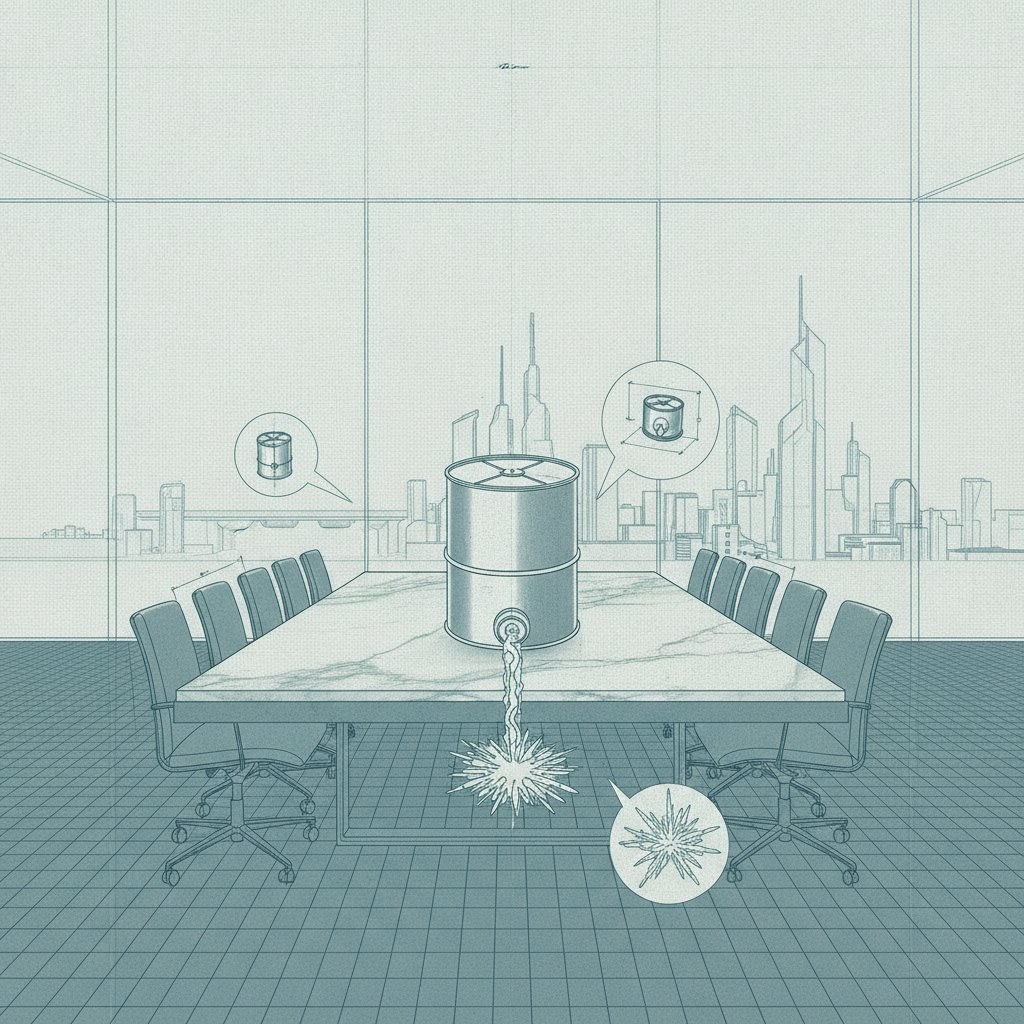
The era of long-drawn-out positional warfare over copyright in the courts has seen its first major defector. On December 11, 2025, The Walt Disney Company and OpenAI entered into a three-year agreement that transforms intellectual property from a defensive asset into a generative commodity. While other media giants attempt to sue neural networks for scraping their data, Disney is making a strategic maneuver: the company is injecting $1 billion into OpenAI's capital, tethering the future of the "Magic Kingdom" to the power of AI.
Brand Safety Architecture
The primary barrier to adopting generative AI in the media business has always been the risk of "hallucinations": no one wanted Mickey Mouse to suddenly utter something profane or inappropriate. Disney is solving this by providing the Sora model with a controlled dataset—over 200 characters from Marvel, Pixar, and Star Wars. This isn't just a collection of images, but digital blueprints of costumes, machinery, and environments. Crucially, the company has excluded the likenesses and voices of real actors to avoid the legal quagmire of digital clones. In essence, Disney is creating a licensed "sandbox" where fans can generate content via ChatGPT and Sora under the strict supervision of corporate algorithms.
This move formalizes what was once dismissed as fan fiction, repackaging it into an official distribution channel.
Instead of chasing individual creators for copyright infringement, Disney is building a centralized platform within Disney+, where fan-generated videos will be curated and broadcast by the corporation itself.
Generative Distribution and Risk Hedging
The economics of the deal go far beyond simple licensing royalties. Disney plans to utilize OpenAI's API to radically overhaul Disney+, moving toward personalized streaming. In this model, content is created on the fly based on specific user prompts. This fundamentally alters the cost structure: why spend millions producing shorts when you can give Sora the "ingredients" and let the viewer bake the cake themselves?
The financial entanglement of these companies looks like a move by Disney to hedge against its own obsolescence.
By purchasing a stake in OpenAI, the corporation is insuring itself against the devaluation of traditional animation. If generative AI eventually disrupts classical production, Disney will own a piece of the very engine that replaced it. Simultaneously, it creates a "gilded cage" for intellectual property: open-source models will never gain access to the specific movement mechanics of Marvel characters or the physics of Star Wars ships, which are now securely locked within a proprietary cloud.
We will soon see the first results of this experiment on Disney+. This looks like a soft capitulation of the old school to algorithms, where instead of fighting for image rights, the corporation chooses to lead the digital reproduction of its legends. The line between viewer and creator is finally blurring, turning content consumption into an interactive process of meaning-making within strictly defined corporate boundaries.