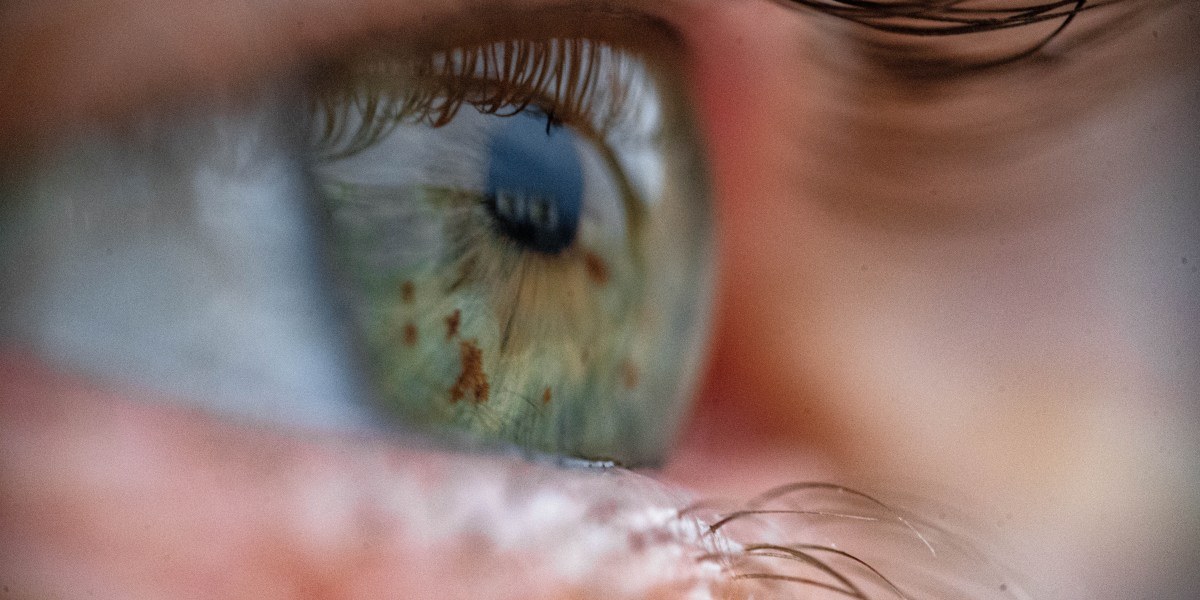
Whole-eye transplantation has long been relegated to the category of science fiction failures. The primary obstacle is deceptively simple: the organ begins to deteriorate faster than surgeons can finish the sutures. Previous transplant attempts resulted in nothing more than a decorative but entirely blind object. According to Pia Cosma at the Centre for Genomic Regulation, the biological barrier is virtually insurmountable using traditional methods; even when chilled to 4°C, porcine eyes lose structural integrity and cellular volume within just 24 hours.
To bypass this limitation, Cosma’s team developed ECaBox (Eye-in-a-Care-Box)—essentially a miniature life-support system that mimics the body’s internal environment. Instead of simply packing the eye in ice, the device maintains a pressurized, temperature-controlled airtight chamber, circulating oxygen-rich fluid directly through the eye’s main artery.
The Tech Breakthrough in Numbers
The results of experiments on porcine eyes are striking:
Control samples stored via standard methods lost light sensitivity almost instantly. Organs placed in the ECaBox system began emitting electrical signals after just 15 minutes of perfusion. Samples remained metabolically active for over 10 hours, exceeding passive storage performance by an order of magnitude.
This technology is not just another upgrade for medical containers; it is a new frontier in retinal preservation. Previously, an eye became useless biomaterial moments after donor death; now, it remains a functioning organ.
The shift from "refrigeration" to a Hardware-as-a-Life-Support model fundamentally alters the economics of organ donation. We are witnessing a paradigm shift: moving from simple tissue preservation to maintaining the functionality of a complex neural network. Shannon Tessier of Massachusetts General Hospital emphasizes the critical importance of active tissue state management.
The Future of Medical Hardware
For the medical device industry, the signal is clear: the era of passive storage is ending. The future of complex neural transplants lies in active metabolic management. ECaBox proves that technological solutions can be more effective than natural biological survival mechanisms, turning physiologically "impossible" surgeries into viable engineering tasks.