The Trump administration has escalated from trade wars to a full-scale technological blockade. Starting July 28, 2026, the Federal Communications Commission (FCC) has officially barred the U.S. market from importing new Chinese inverters and advanced robotics. According to reports from Nikkei and Reuters, the ban targets critical components essential for deploying AI infrastructure. While Washington builds its energy shield, data center operators must now scramble for alternatives to equipment previously considered unbeatable on price.
Robot Vacuums Under the Regulatory Microscope
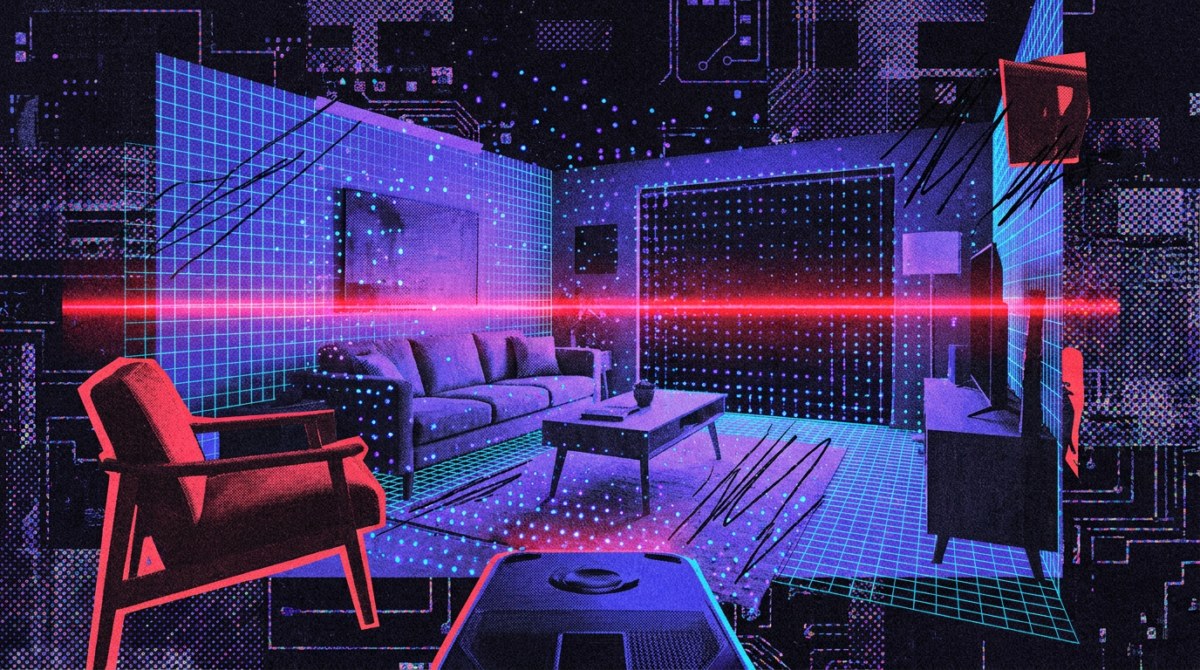
The Commission justifies this radical shift as a measure to protect supply chains from cyber-sabotage. However, the FCC's technical definitions are so broad that the "shockwave" has hit more than just futuristic humanoids or robot dogs; even standard household vacuums and lawnmowers are caught in the crosshairs. The regulator's logic is straightforward:
Any device equipped with LiDAR sensors and thermal imagers is classified as a threat. Network connectivity transforms a gadget into a potential espionage tool. Vulnerabilities discovered in 2025–2026 confirmed the feasibility of mass remote hacking of home cameras.
In the White House's view, even a harmless vacuum bot could become part of a "humanoid botnet."
Consequences for Business and AI Infrastructure
For businesses, this mandate forces a costly transition to reshoring production in the U.S. or allied nations. Capital expenditure for AI infrastructure operators is set to spike: American-made equipment is more expensive, and potential shortages may slow the rollout of new capacity. The government justifies these costs as a necessity for survival in the AI supremacy race, where any reliance on Chinese hardware is viewed as a critical vulnerability.
Verdict
From our perspective, the situation looks like an attempt to treat a migraine with a guillotine. While official rhetoric describes this as a "surgical strike" to protect the power grid, in practice, the regulator is equating a household appliance with a state-sponsored cyberattack. Ultimately, the U.S. has secured its perimeter but lost access to global leaders in robotics. The primary question is no longer how secure a device's code is, but exactly where it was assembled. Investors should brace themselves: the price of "clean" infrastructure is only going up.