AI · This text was generated with artificial intelligence
Multimodal Search Expansion
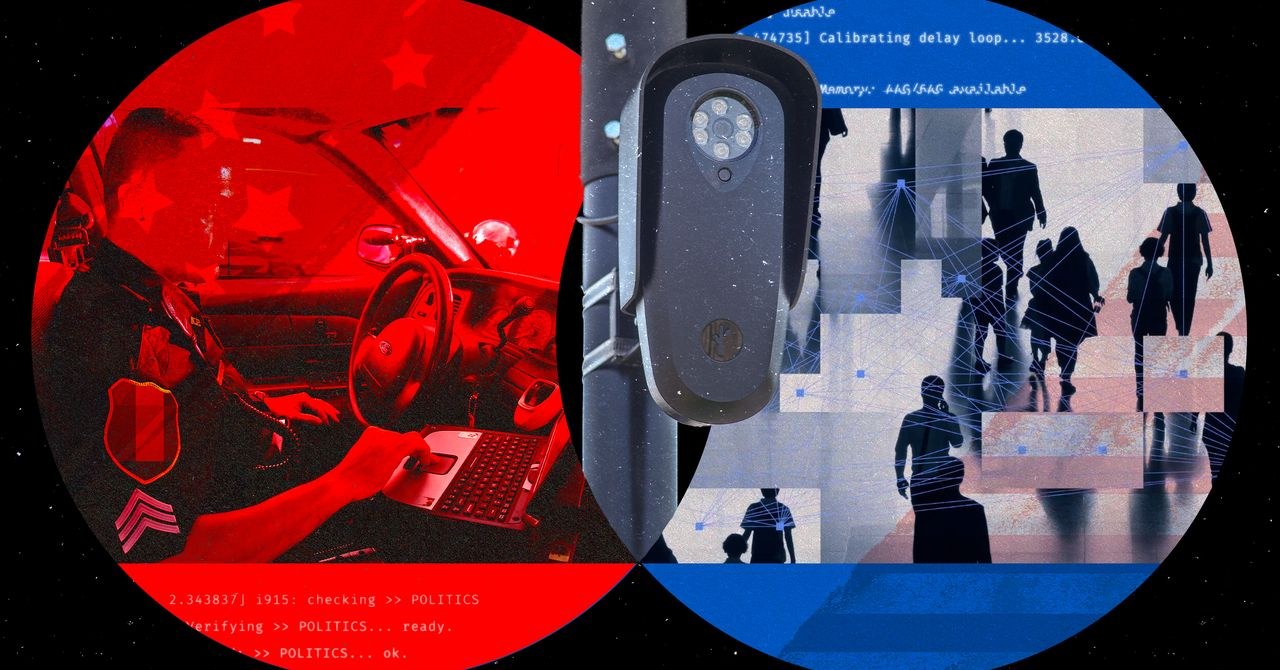
Flock Safety has quietly transitioned from deterministic automated license plate recognition into an open-ended multimodal surveillance engine. By layering natural language video retrieval onto an active grid of more than 83,000 cameras, the GovTech vendor now allows law enforcement operators to run continuous automated scans across designated geofences using arbitrary text prompts. Rather than indexing known vehicle metadata against static hotlists, the platform turns real-time municipal camera feeds into an unindexed semantic search engine targeting individual physical descriptions and clothing.
Regulatory Scrutiny and Governance Lapses
This unvetted technical scope creep has triggered severe enterprise backlash, contractual terminations, and federal inquiries. Municipalities across the country are voting to scrap deployments and cancel multi-year contracts outright. Congressional scrutiny escalated following a formal inquiry directed at Flock CEO Garrett Langley after a Texas deputy abused the 83,000-camera network to track a woman seeking an out-of-state abortion. In Illinois, investigative reporting demonstrated that Flock permitted federal immigration authorities to bypass state privacy firewalls in direct contravention of local statutory protections.
Flock attempted damage control by rolling out retrospective audit trails, shortened default retention windows, and mandatory case codes. Yet technical investigations reveal an architectural failure in access governance: the system acts purely as a passive logger rather than a proactive authorization gatekeeper, permitting queries to execute regardless of downstream compliance breaches.
"Political and cultural expression is 'one of the most protective areas' under the First Amendment, and it seems like that actually has the least concern from a policing perspective."
As Tom Bowman, policy counsel with the Center for Democracy and Technology's security surveillance project, pointed out regarding moderation thresholds, Flock’s system flags protected classifications such as race and religion, yet political and cultural expression remains the single sensitive category that fails to halt a search query execution.
Bidirectional Data Flows and Model Auditing
Independent ML audit researchers highlight the operational liability baked into this deployment model: no zero-shot computer vision system operating at this municipal scale achieves deterministic accuracy, and Flock's opaque proprietary pipeline prevents third-party verification of baseline false-positive rates. Instead of engineering cryptographic query validation or client-side verification gates, the vendor offloads legal liability onto municipal end-users with generic disclaimers that AI model outputs require human verification.
For enterprise AI founders and GovTech executives, Flock’s crisis provides an expensive operational lesson: packaging high-variance generative vision models into regulated public sector workflows without deterministic query gating turns compliance into an existential business risk.