AI · This text was generated with artificial intelligence
Enterprise software architectures were built on a comfortable illusion: that frontier artificial intelligence would remain an open, pluggable utility billed strictly by the token. Engineering teams spent two years constructing model-agnostic routing layers, expecting to swap endpoints dynamically based on millisecond latency and spot pricing. That commoditization thesis is now dead. Leading AI labs are abandoning neutral supply models in favor of walled gardens, corporate exclusions, and defensive alliances.
Closed Alliances and Gated Infrastructure
The frontier model market is rapidly bifurcating into proprietary blocs. Enterprise software incumbents are ditching neutral abstraction to hardcode exclusive model partnerships. Salesforce formalized Anthropic as its dedicated engine, embedding Claude as the default intelligence layer across its CRM and Slack ecosystems. Simultaneously, labs are demonstrating that API access can be terminated overnight over geopolitical or corporate proxy wars.
OpenAI cut off Cursor's API access on November 12 following SpaceX's acquisition of the startup, citing contractual breaches. For enterprise buyers, this signals an acute governance hazard: software vendors are shipping locked proprietary components on a take-it-or-leave-it basis, eliminating downstream bargaining power.
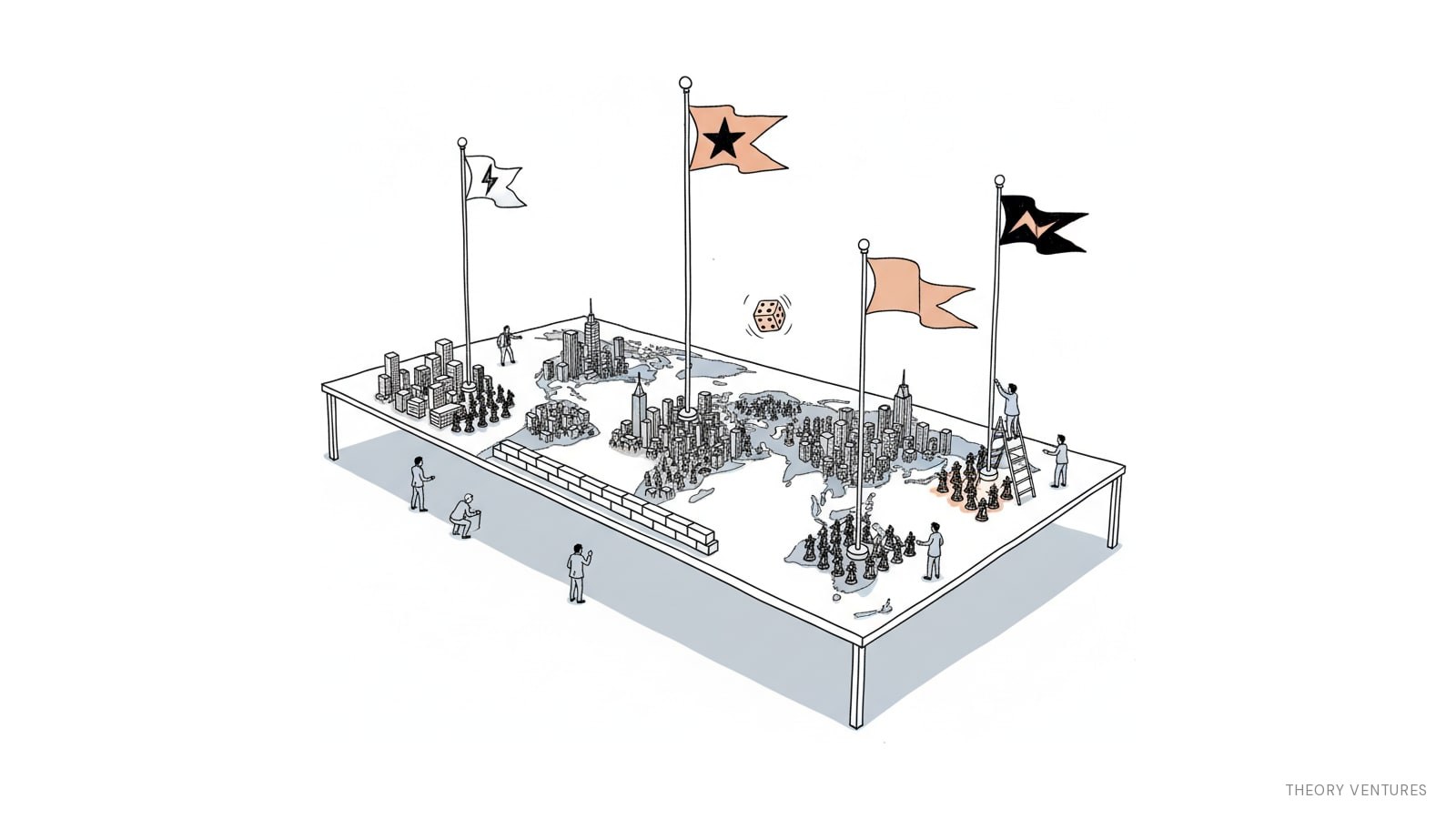
"The frontier AI market is sorting itself into closed camps, as labs pick partners, cut rivals, and ration access to their strongest models."
Sovereignty Gating and the Narrowing of Open Weights
The open-weights alternative is erecting its own commercial tollbooths. Access rationing through sovereignty tiers and revenue-based licensing has replaced unconditional open distribution. Anthropic introduced Project Glasswing to restrict its top-tier capabilities exclusively to approved enterprise partners, while Chinese lab Z.ai released GLM weights with clauses requiring direct review once host enterprise revenues cross scale thresholds.
Permissive open source increasingly functions as a customer acquisition funnel rather than permanent infrastructure: weights remain unencumbered only until a company scales to meaningful enterprise volume.
Strategic Decoupling for Enterprise Architecture
For CTOs and engineering leadership, managing this oligopolistic turn requires defensive engineering. Treating AI models as interchangeable API endpoints is no longer viable risk management. Organizations must aggressively isolate core business logic and stateful orchestration from vendor-specific prompting layers, mandate dual-provider architectures across mission-critical workflows, and audit SaaS contracts to eliminate hidden single-vendor lock-in before access terms dictate operational continuity.