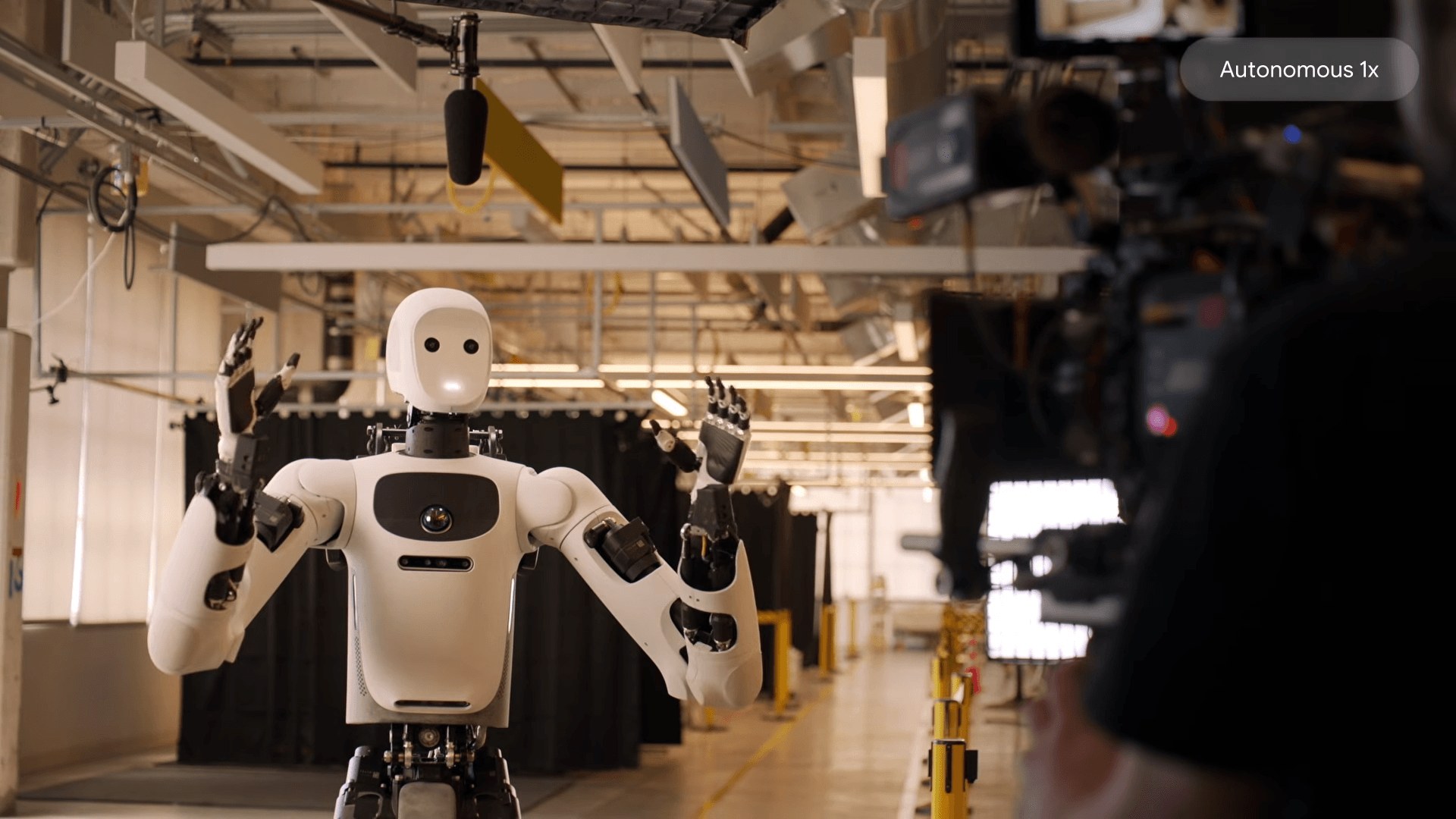
Google DeepMind is no longer content with chat interfaces; they are moving into the physical world with Gemini Robotics 2. This vision-language-action (VLA) model is framed as a universal ‘intelligence layer,’ designed to operate as a standardized OS for virtually any form factor. Whether it is a precision tabletop arm or a clunky humanoid, DeepMind wants Gemini to be the brain that translates digital intent into physical torque.
Technically, the shift is away from fragmented, specialized control schemes toward a unified multimodal approach. As Google DeepMind representatives detailed, the system treats full-body movement and fine motor skills as a single, coordinated output. This isn't just about moving a limb; it’s about the model understanding the physics of the entire unit. To manage the inevitable complexity of real-world logistics, the company also unveiled ER 2 (Embodied Reasoning), a high-level strategic layer that replaces the previous ER 1.6 version.
The architecture creates a clear hierarchy: ER 2 acts as the cortical planner, breaking down abstract goals into task sequences, while Gemini Robotics 2 serves as the motor cortex, executing the physical grunt work. DeepMind’s pitch is ambitious, promising seamless coordination across groups of diverse robots. However, the industry remains skeptical of such ‘one-size-fits-all’ solutions. Bridging the gap between the simulated reasoning of a LLM and the messy, high-frequency physics of different hardware is a monumental task.
While ER 2 is currently testing the waters in Google AI Studio, the core Robotics 2 model remains behind a waitlist wall. Google is clearly positioning itself to occupy the middle of the robotics stack, hoping to commoditize hardware by providing the only ‘brain’ that matters. We have seen this play before in the mobile market, but whether a single neural network can master the specific dynamics of every robotic joint on the market remains a high-stakes hypothesis yet to be proven in the wild.